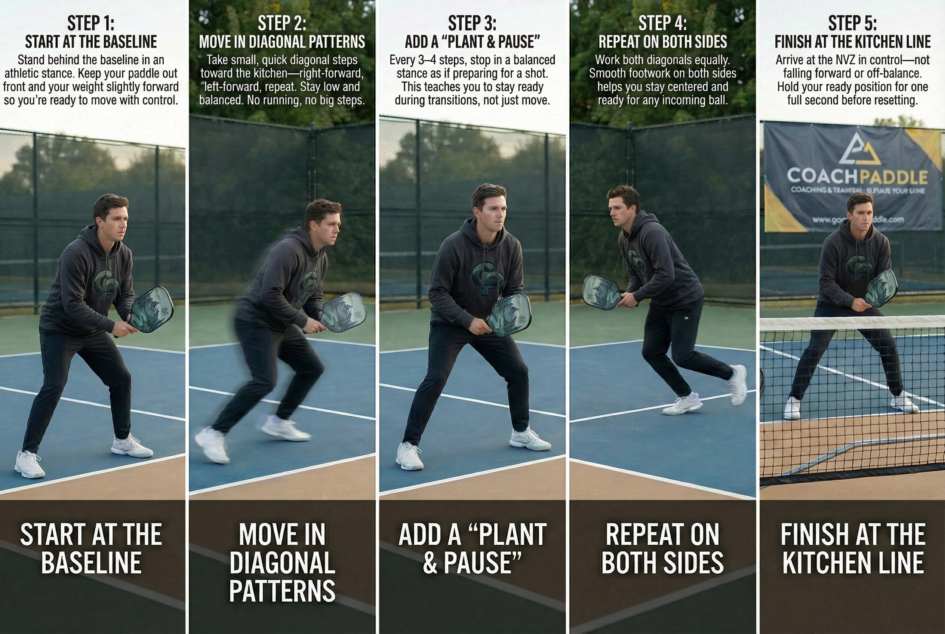
If you want to improve your movement between the baseline and the kitchen, this pickleball transition footwork practice routine will help you build balance, speed, and control.
I’ve put together a routine that’s helped lots of players in clubs I’ve visited, and I think you’ll find it handy whether you’re new to pickleball or just want something practical to tighten up those in-between steps.
Why Transition Footwork in Pickleball Is So Important
The transition zone sits between the baseline and the non‑volley line. It often feels chaotic during play. Many beginners freeze here. They’re unsure whether to move forward, stay low, or when to split step. Getting comfortable in this space builds confidence. It helps you handle low balls and react to fast dinks and drives.
Pickleball grows more popular every day. With so many flashy shots online, it’s easy to forget the basics. Most rallies are won or lost in the transition phase. Players who practice movement here gain better positioning. They defend tough shots more easily and poach with purpose instead of reacting.
Pro players and experienced rec players train transition movement constantly. It’s not about perfect steps. It’s about resetting your balance and keeping options open. Good footwork buys you a split second. That small advantage helps you stay in control when the pace speeds up at the net.
If you want to improve your soft game, check out my post on The Dink Shot: Tips And Tricks
Setting Up for Transition Footwork Practice
Having a routine makes this kind of drill less of a chore and much more enjoyable. You only need a paddle and a few balls, but cones or court lines work great as visual markers. I like to get in these drills at least two or three times a week, mixing them in before or after games.
- Find Space: If you’ve got a court or even a driveway with chalk lines that match up with the court lines, you’re all set. Visualizing the non-volley line and baseline is key.
- Warm Up Right: Light jogging and side shuffles keep you loose and ready. Quick skipping or jumping jacks wake up the lower legs for what’s coming.
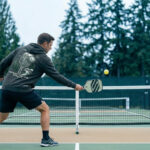
This pickleball transition footwork practice routine helps players move smoothly from the baseline to the kitchen.
Core Transition Footwork Drills
Working through these drills will help you groove the skills that make scrambling for those tough-to-reach shots or resetting at the kitchen much easier. Here’s my routine layout. Feel free to mix it up if you need to, based on your timing and energy.
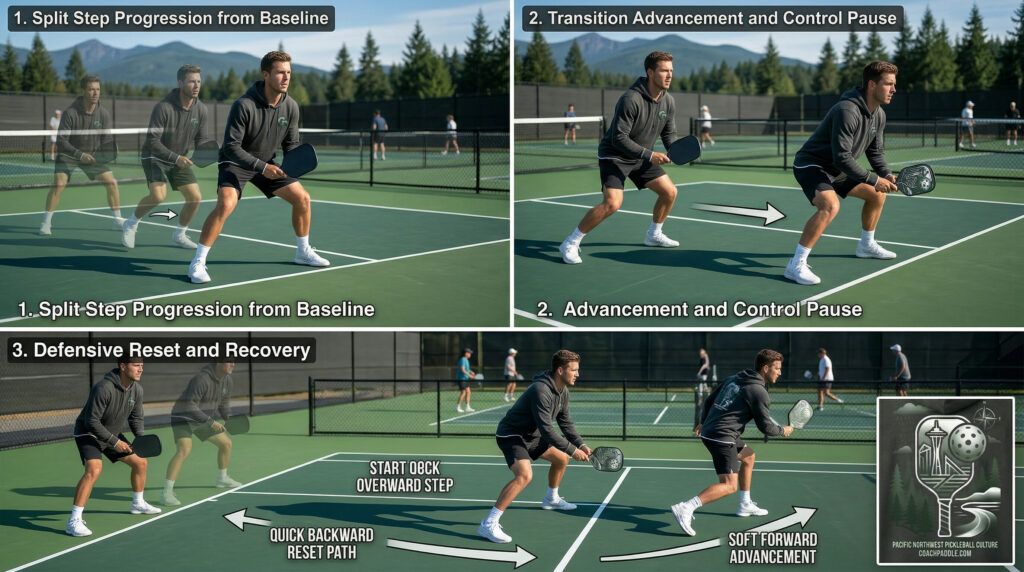
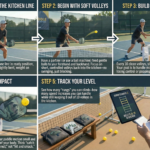
1. Split Step Progression
The split step is a small hop you take as your opponent hits the ball. It lets you react to their shot instead of getting stuck flatfooted. Here’s my usual progression:
- Start at the baseline with your paddle up.
- As if getting ready for a deep return, move forward a few steps and practice a soft split step as you cross into the transition zone.
- Stay light on the balls of your feet, then either move forward or back, repeating this start-and-stop rhythm.
Spending a minute at a time on this truly wakes up your legs and helps you settle into an active ready position.
2. Slow Advance with Soft Hands
Suppose you’re working your way forward from baseline to kitchen. At each step, pause to simulate a low dink or reset. The key is to move forward slowly, paddle in front, knees bent, and touch the ball softly down to the “court” ground.
- Paddle stays in front of your chest.
- Each shot you mime, practice bending at both the waist and ankles, not just reaching with your arm.
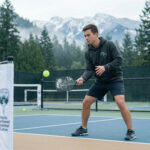
If you’re working on your pickleball transition footwork, this routine gives you a simple way to build balance and control.
3. Retreat & Reset Challenge
Sometimes, your opponents will push you back. Practicing your recovery is essential. Start at the kitchen, take three or four steps back toward the baseline while mimicking a defensive flick or reset. Then head forward again with soft, controlled resets.
- Focus on short, quick steps, not big lunges.
- Knees stay bent and your center of gravity stays nice and low.
If you have a friend or a ball machine, let them send shots to both sides and force side-to-side movement, which really helps your control.
For more control at the kitchen, check out my Pickleball Cross-court Dinking Guide
Footwork Mistakes I See Most Often
I notice a handful of footwork mistakes, even among those who play a lot. Spotting these in yourself is the first step to steady, confident movement between baseline and kitchen:
- Standing Too Tall: Being too upright reduces balance and makes you slower.
- Getting Stuck: If your feet don’t stay moving, it’s tough to react to last-minute changes.
- Crossing Over: Crossing your feet instead of shuffling leads to off-balance shots and missed split steps.
- Skipping the Split Step: This makes you react late, especially on fast drives or surprise lobs.
Zeroing in on small correction steps helps you avoid getting derailed by tricky bounces or sneaky soft drops from the other side.
Advanced Footwork Tweaks
After you’ve gotten comfortable with the basics, try adding these tweaks to upgrade your transition:
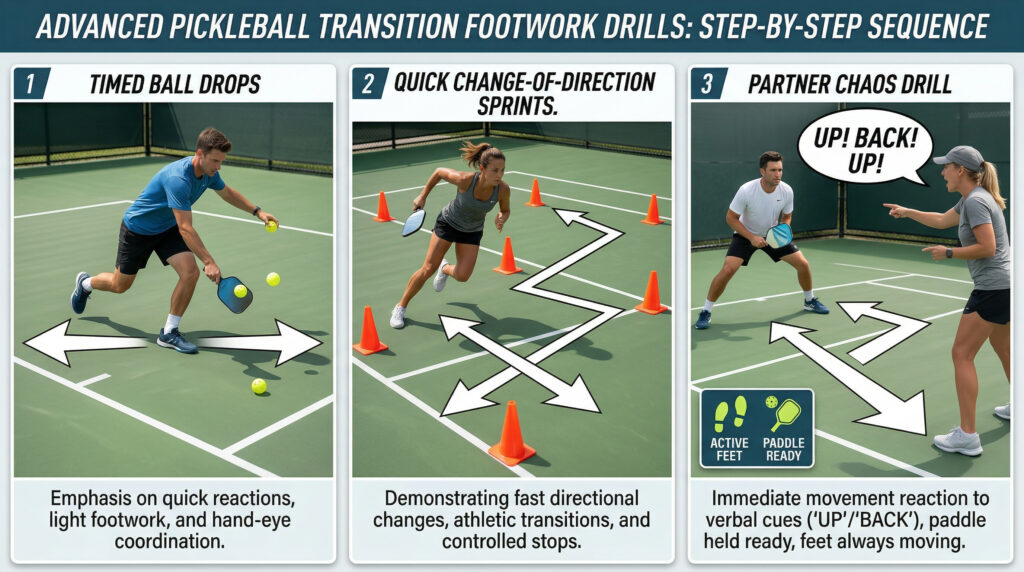
- Timed Ball Drops: Drop a ball at random while you shift and try to catch or tap it with your paddle.
- Quick Change of Direction Sprints: Mix up forward, backward, and side shuffles—most games never let you move in a straight line the whole rally.
- Partner Chaos Drill: Invite a buddy to yell “up” or “back” randomly so you have to move on command, keeping light feet and paddle ready.
Why These Tweaks Matter
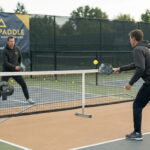
Games can get unpredictable, especially in doubles. These tweaks test your balance and your quick thinking as the play unfolds, not just in perfect setups. The more you train for these variables, the more you’ll find yourself comfortable during those fast scrambles and ready for some fast hands at the net.
Extra Tips for Footwork Practice Sessions
It can be tough to stay motivated during solo drills. Here are a few things that keep me focused and locked in:
- Keep It Short: Fifteen to twenty minutes of focused footwork is plenty. Quality focus beats slogging out endless, mindless reps.
- Target Specific Mistakes: Choose one detail you want to fix each session, like keeping your balance lower or nailing that split step at the right time.
- Film Yourself: Using your phone to record helps you spot where you’re losing good posture or missing the small steps that matter in a real match.
Pair these footwork sessions with actual play for the best results. Over time, you’ll notice those harder shots start feeling like regular ones.
Where Transition Footwork Makes a Difference in Games
This skill shows up every time you have to work your way from baseline to kitchen, like after a return of serve, a reset, or when an opponent sends you fast, low shots to your feet. Watch a top-level match on YouTube and you’ll see almost constant movement in this area. Getting comfortable here will change how you play—especially when a rally gets tense and fast.
- Doubles: Both players advancing together and covering drives at the same time takes strong footwork.
- Defensive Scramble: Fast recovery and split steps help you dig out tough replies after you’re pulled out of position.
- Switching and Poaching: Quick transitions let you keep up during partner switches and aggressive moves for the ball without crashing into each other.
In singles, too, setting up for those crosscourt shots or running down tricky angles is much easier when you’re already comfortable moving in and out of the gray area without drifting or hesitating.
To level up your transition from baseline to kitchen, my guide Third Shot Drive Pickleball: How to Improve
Frequently Asked Questions About Pickleball Transition Footwork
Question: How often should I practice transition footwork?
Answer: Two or three focused sessions a week along with your regular games build up muscle memory and confidence fast.
Question: Which footwork technique is the most important in the transition zone?
Answer: If you only pick one skill to work on, I’d say the split step. That quick prep helps you react instantly and set your balance each time.
Question: How can I stop getting stuck in the transition area?
Answer: Make the gradual advance-and-reset drill a favorite in your routine. Never let your feet stop for too long and keep that forward movement in mind, even between shots.
For official guidance on rules and standards, you can always check the USA Pickleball Official Rules
Getting the Most Out of Practice
Consistently building a solid footwork routine into your pickleball week really takes your confidence to the next level on the court. The benefits are pretty obvious: you’ll have better balance, make fewer rushed shots, and keep your energy up later on in matches.
The transition zone doesn’t have to feel intimidating. With regular focused work, it just becomes another skill set you’ve mastered in your game.


Leave a Reply