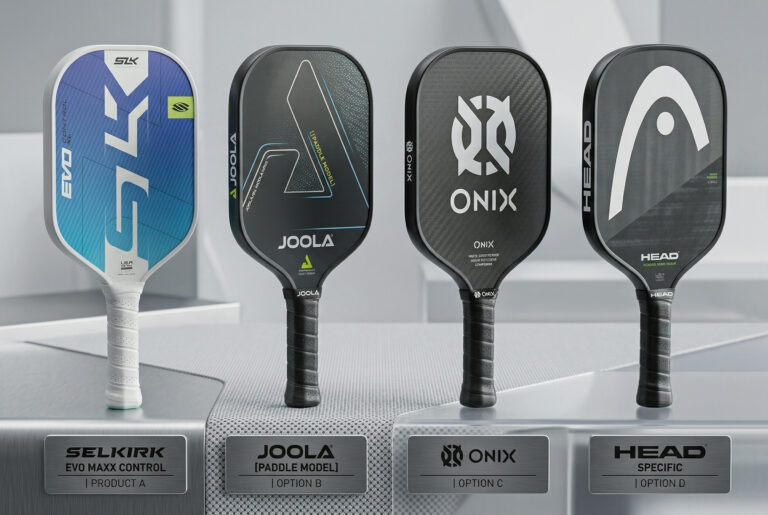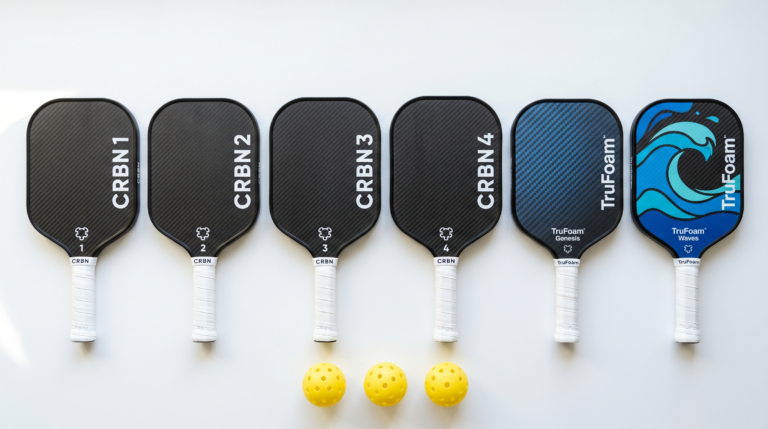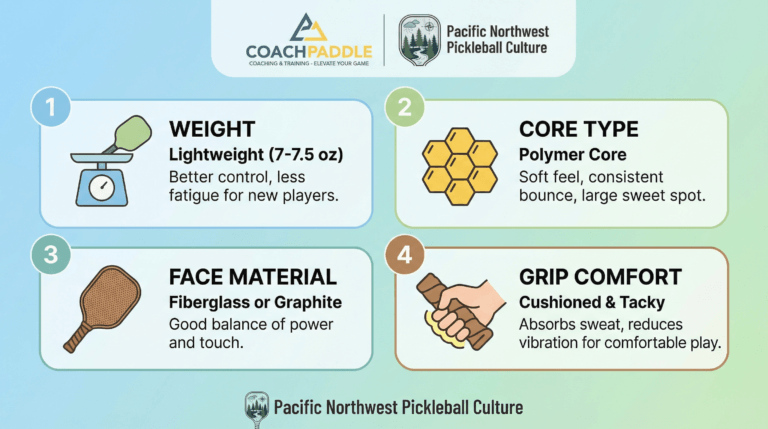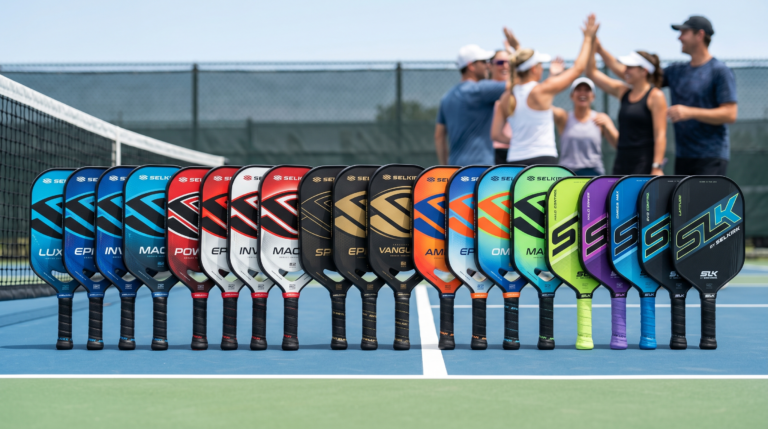
Advanced players need a paddle that matches their speed, control, and shot variety. The best paddle materials for advanced players offer a balance of power, touch, and durability so you can play confidently at a higher level. Understanding how each material performs helps you choose a paddle that supports your style and elevates your game.
Best Paddle Materials for Advanced Players: How Each Type Performs
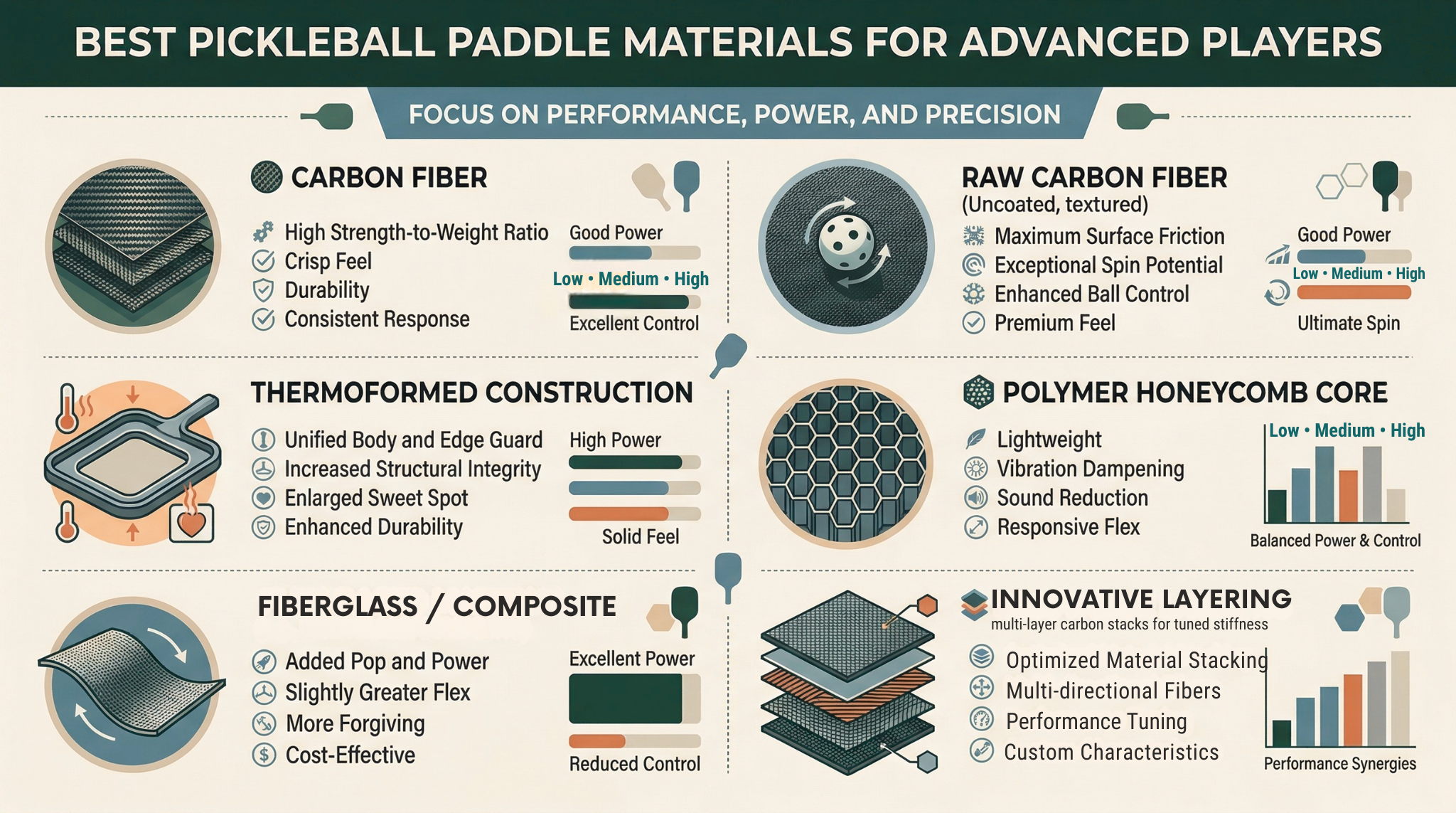
Paddle tech has taken off over the last decade. The main materials for advanced paddles each have their own pros and cons:
- Carbon Fiber: Known for being lightweight but very strong, with quick response and a crisp feel.
- Graphite: Offers fast feedback and a pleasing mix of control and pop.
- Composite: Blends fiberglass, carbon, and polymers for a solid mix of power, spin, and versatility.
- Fiberglass: Popular for major spin and comfort, slightly heavier than carbon-based paddles but with real benefits.
- Kevlar/Aramid: Found in some specialty paddles, typically for those who want ultralight options or a unique feel.
Understanding the Best Paddle Materials for Advanced Players
Understanding the best paddle materials for advanced players helps you choose a paddle that matches your power, control, and spin needs.
If you mix offense with soft touch, composite paddles with polymer honeycomb cores give you balanced control, supported by smart movement habits reinforced in Pickleball Safety Tips for Players.
Choosing the Best Paddle Materials for Advanced Players
Carbon Fiber Paddles
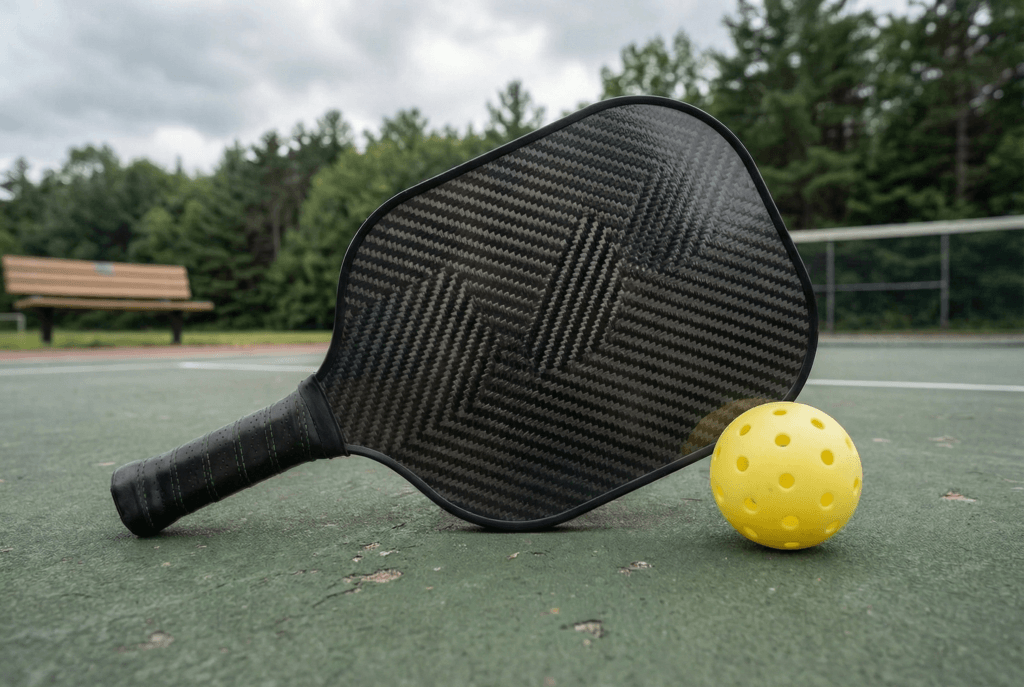
Carbon-fiber is super popular in the upper levels of both pickleball and table tennis. This material helps create an ultralight paddle with a firm but responsive feel. It’s great for players who use quick reflexes or love volleys at the net.
Why it works: A carbon fiber face delivers an immediate, crisp shot with little energy lost. The lightweight build helps you react faster during fast rallies.
Graphite Paddles
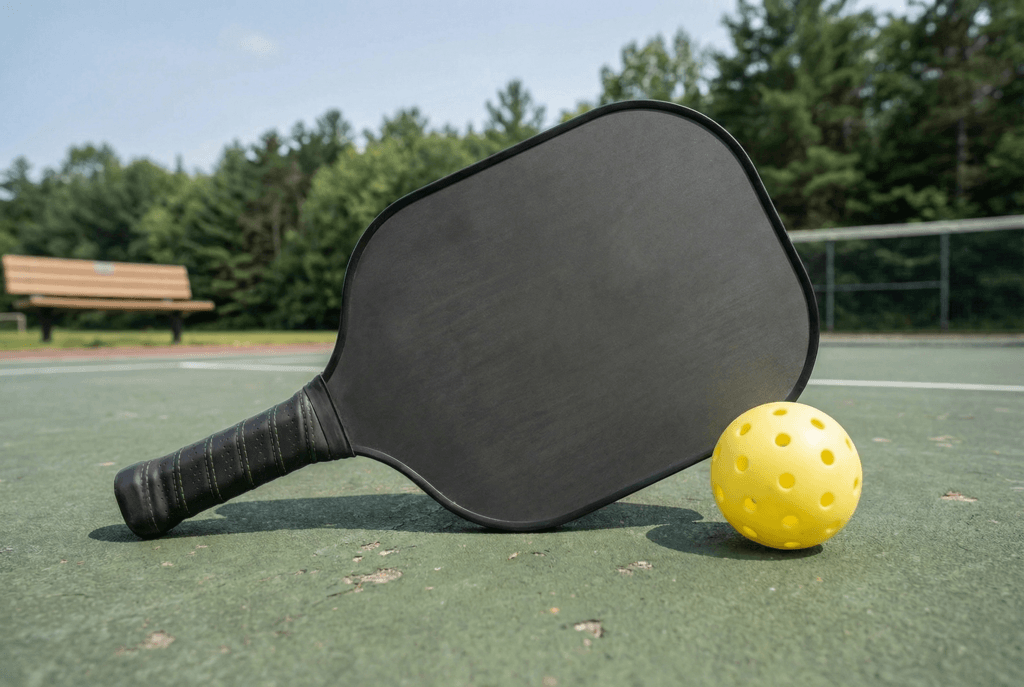
Graphite is the classic favorite for quick, accurate play. These paddles are light, usually feature a large sweet spot, and are easy to maneuver.
Why it works: Graphite lets you deliver fast punches at the net and control spin during tough serves. At the same time, the material offers just enough “give” to work with different core types.
Composite Paddles
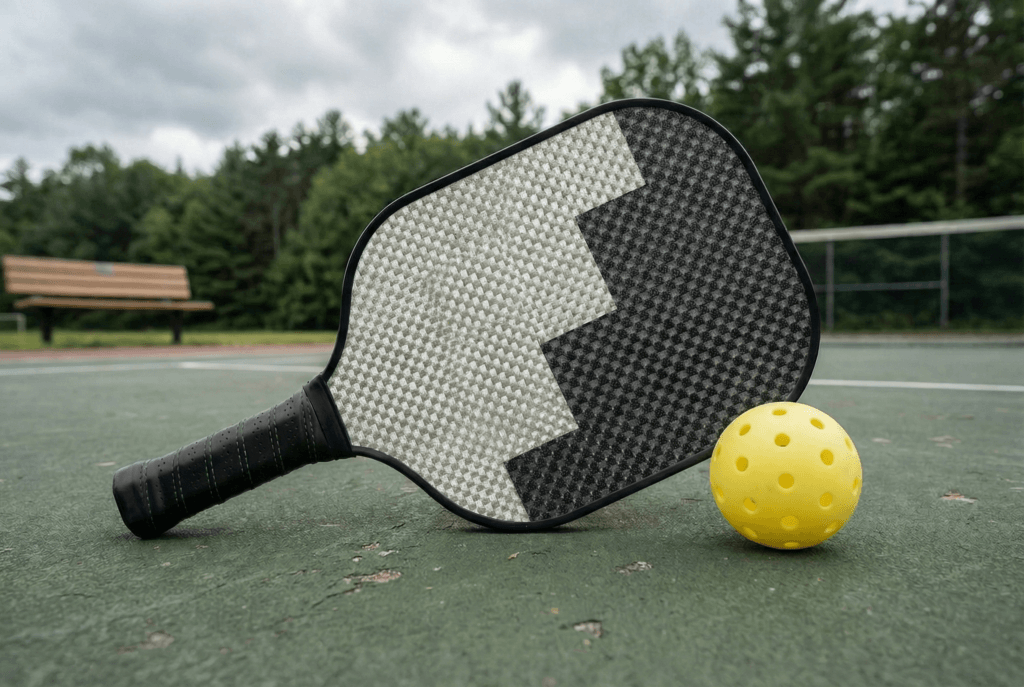
Compo-site paddles use a mix of materials like fiberglass, carbon fiber, and polymer to dial in the specific performance traits players want. These paddles offer a mix of power, spin, and overall playability, making them something of a Swiss Army knife for advanced play.
Why it works: The surface on a composite paddle often includes textures or grit, which helps with controlling spin.
Fiberglass Paddles
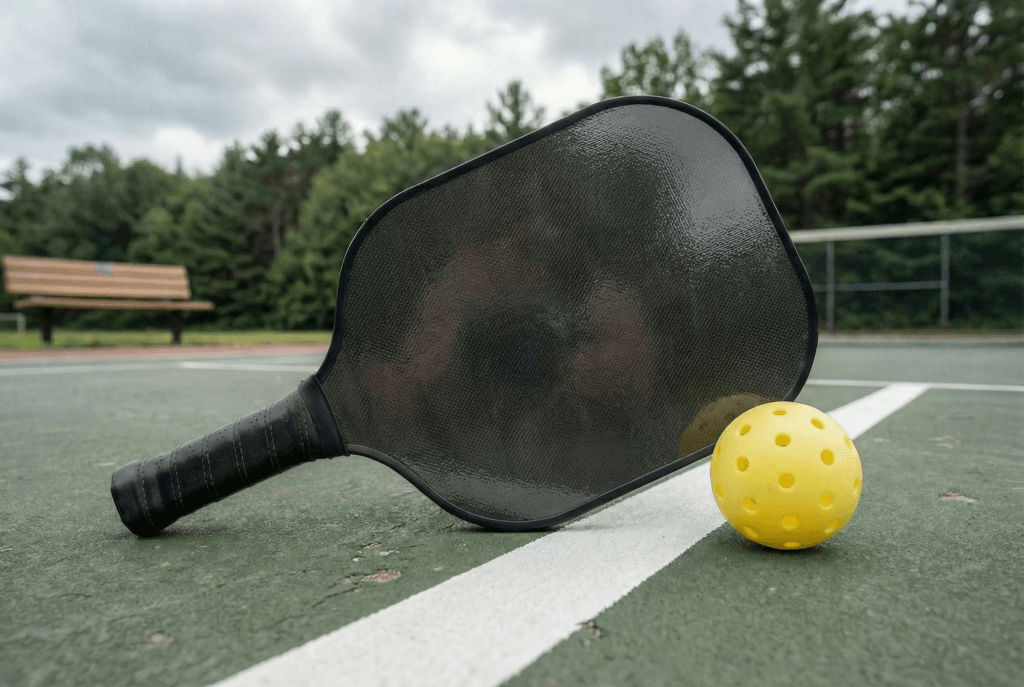
Fiber-glass is heavier than carbon or graphite but excels when it comes to generating power and spin. Advanced players who rely on their serve or need max spin capability often choose fiberglass-faced paddles.
Why it works: Where some materials dull the feel, fiberglass grabs the ball well, generating heavy spin. It’s also more flexible, so you can really dig into those soft touch drop shots.
Kevlar/Aramid Paddles
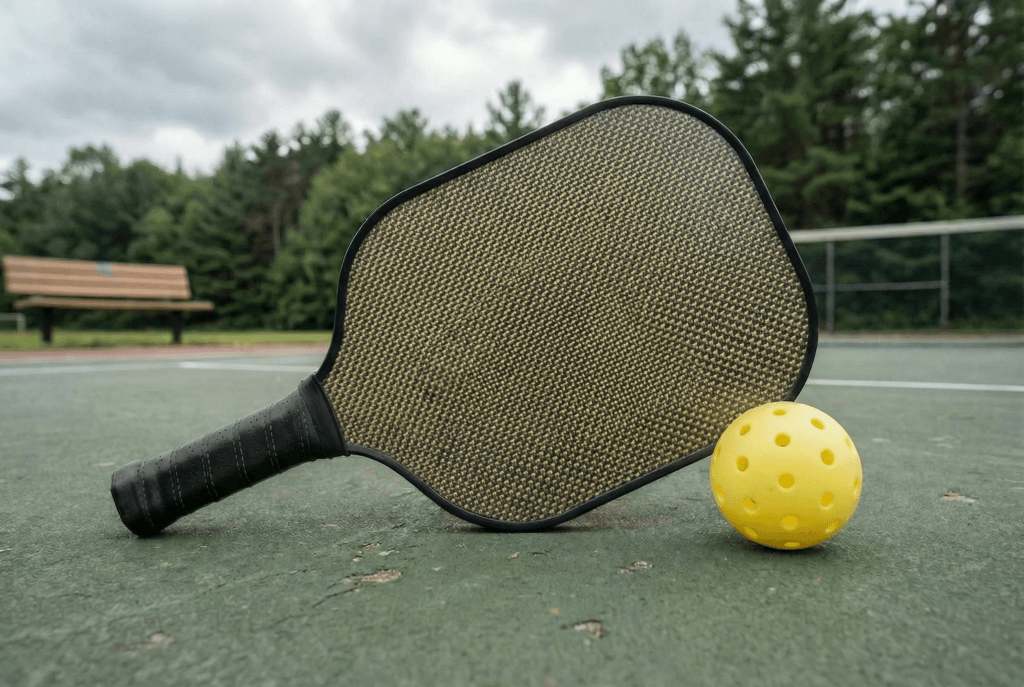
Kevlar or aramid blend paddles are less common, but they’re interesting for players with very specific needs. Kevlar makes paddles light and a bit stiffer, suitable for folks who want pure speed and a unique punch.
If you rely on speed or quick hand battles, carbon fiber and graphite offer the responsiveness you need, especially when paired with clean mechanics from The Paddle Grip for Better Shots.
Which Material Is Best for Your Style?
| Player Type | Best Core | Best Surface | Why It Works |
|---|---|---|---|
| Power Player | Nomex | Fiberglass | Maximum pop and speed |
| Control Player | Polypropylene | Carbon Fiber | Soft feel + high spin |
| Balanced Player | Polypropylene | Graphite | Blend of touch and quickness |
| Spin‑Focused Player | Polypropylene | Carbon Fiber | Long dwell time for spin |
Why the Best Paddle Materials for Advanced Players Matter
If you generate heavy topspin or strong serves, composite or fiberglass faces add the extra pop and spin many players notice when moving up from beginner gear like those in Best Pickleball Paddle for Beginners.
How the Best Paddle Materials for Advanced Players Perform
Once you hit the advanced stage, you probably already know your strengths. Here’s a quick way to match your play style with the best material for each:
- If you love speed, net play, or quick hand battles: Carbon fiber and graphite paddles shine here. Super responsive, very light, and great for digging out tough volleys.
- If you play with heavy topspin or strong serves: Composite or fiberglass-faced paddles let you rip the ball with more spin and power.
- If your style is all about mixing offense and soft touch: Composite paddles with specialized cores (like polymer honeycomb) give you balanced power and feel.
- If you want an alternative feel: Kevlar/aramid paddles are worth a try, but look for reputable brands for consistent quality.
Key Considerations Before Choosing Your Next Paddle
- Weight: Advanced paddles range from superlight (7.2 oz) to heavier options (8.5+ oz). Lighter paddles help with reaction time and quick play, but heavy paddles add more power.
- Core Structure: Many paddles use polymer honeycomb or aluminum cores, which change the power, comfort, and vibration control. It’s worth checking the core when evaluating new paddles.
- Surface Texture: Textured faces give you more ball control and spin, which are really important for shot shaping at a higher level.
- Edge Guard: It seems minor, but edge design impacts durability. Most high-end paddles come with low-profile guards for a balance of safety and playability.
Material Durability and Long-Term Play
Carbon fiber Graphite tend to keep their responsiveness the longest, while Composite and Fiberglass faces can get scuffed after lots of hard games. Keeping your paddle clean and stored safely helps a ton with lifespan.
Legal Paddle Specs for Tournament Play
Using approved paddles avoids any last-minute issues during registration. It also ensures your paddle’s specs, like grit or thickness, don’t give an unfair advantage. Double-check the equipment lists before entering bigger events to save headaches later.
Paddle Materials in Real-World Matches
The impact of material choice is most obvious in close matches where placement and consistency really matter.
- Spin Serves :Composite faces generate nasty spin against all levels; super handy in tournaments where every edge counts.
- Quick Exchanges: Carbon fiber or graphite helps keep you in those lightning-fast volley rallies, boosting confidence during firefights at the net.
- Endurance: Lightweight builds reduce fatigue during long play, so you can keep your edge right to the last point.
- Consistency Over Sets: Durable paddles help you maintain the same feel match after match, supporting small but meaningful improvements to your technique.
For official guidance on rules and standards, you can always check the USA Pickleball Official Rules
Frequently Asked Questions About Paddle Materials
Question: What’s the main difference between carbon fiber and graphite paddles?
Answer: Both are light, but carbon fiber is a bit stiffer and often has a firmer, more controlled feel. Graphite usually has a slightly softer touch and a larger sweet spot.
Question: How do I know if a composite paddle is right for me?
Answer: If you like switching things up between offense and defense, or want strong spin and power, composites offer good balance. Try a few out before buying for the best fit.
Question: Does paddle material impact durability?
Answer: Yes, carbon fiber and graphite hold up well over time, while fiberglass and composites might wear faster but can offer more power or spin during use. The amount of play and care can make a big difference.
Question: Are textured paddles worth it for advanced play?
Answer: For many advanced players, textured paddle faces add noticeable control and spin. If your game relies on sharp angles or heavy spin, textured surfaces are definitely worth a try. Be sure any texture complies with league or tournament regulations.