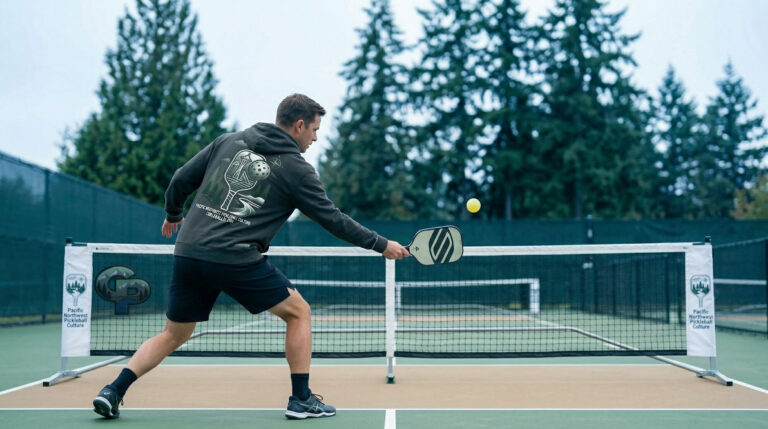
Pickleball Accuracy Workouts for Beginners are one of the fastest ways to improve aim, control, and consistency on the court. These simple drills help new players build confidence and reduce unforced errors.
For a quick side‑by‑side look, check out our Selkirk Evo Control Max Vs Other Brands comparison.
Why Accuracy Matters in Pickleball Accuracy Workouts for Beginners
I’ve noticed that accuracy is the starting point for almost every skill in pickleball. Being able to place your shots where you want helps with both offense and defense. If you can consistently aim toward the sidelines or hit precise dinks over the net, you put more pressure on your opponents.
This usually leads to more opportunities to score or force mistakes from the other side. Even if you aren’t aiming for extreme trick shots, building accuracy gives you better control of rallies so you’re not just reacting, but steering the game your way.
The ability to land the ball in tough spots also teaches you how to slow down or speed up your shots so you can keep things unpredictable.
Understanding Your Basics: Grip and Ready Position for Pickleball Accuracy Workouts
Before getting into any accuracy workouts, I spent time getting my grip and stance sorted. These are the building blocks for shot consistency. For most beginners, the continental grip works great; it feels comfortable and makes paddling easier whether you’re hitting forehands or backhands. I hold my paddle like I’m shaking hands with it, which keeps my wrist secure and my swings natural.
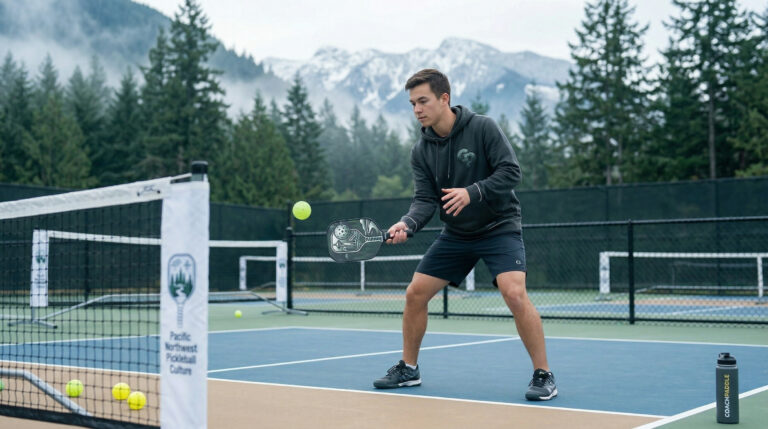
Staying in a good ready position is just as important. I keep my knees slightly bent, my feet about shoulder width apart, and my paddle out in front so I’m ready to move either way. This position sets me up to reach any ball without losing balance.
Practicing this basic stance between points and drills helped me lock in good habits that now feel automatic. Remembering to check my stance regularly also helps me readjust if I get tired or sloppy during longer games.
Once you understand the basics of finesse, the routines in Drop Shot Drills For Beginners help you practice dropping the ball exactly where you want it.
Pickleball Accuracy Drills for Beginners
These Pickleball Accuracy Workouts for Beginners help new players build consistent ball placement and better control.
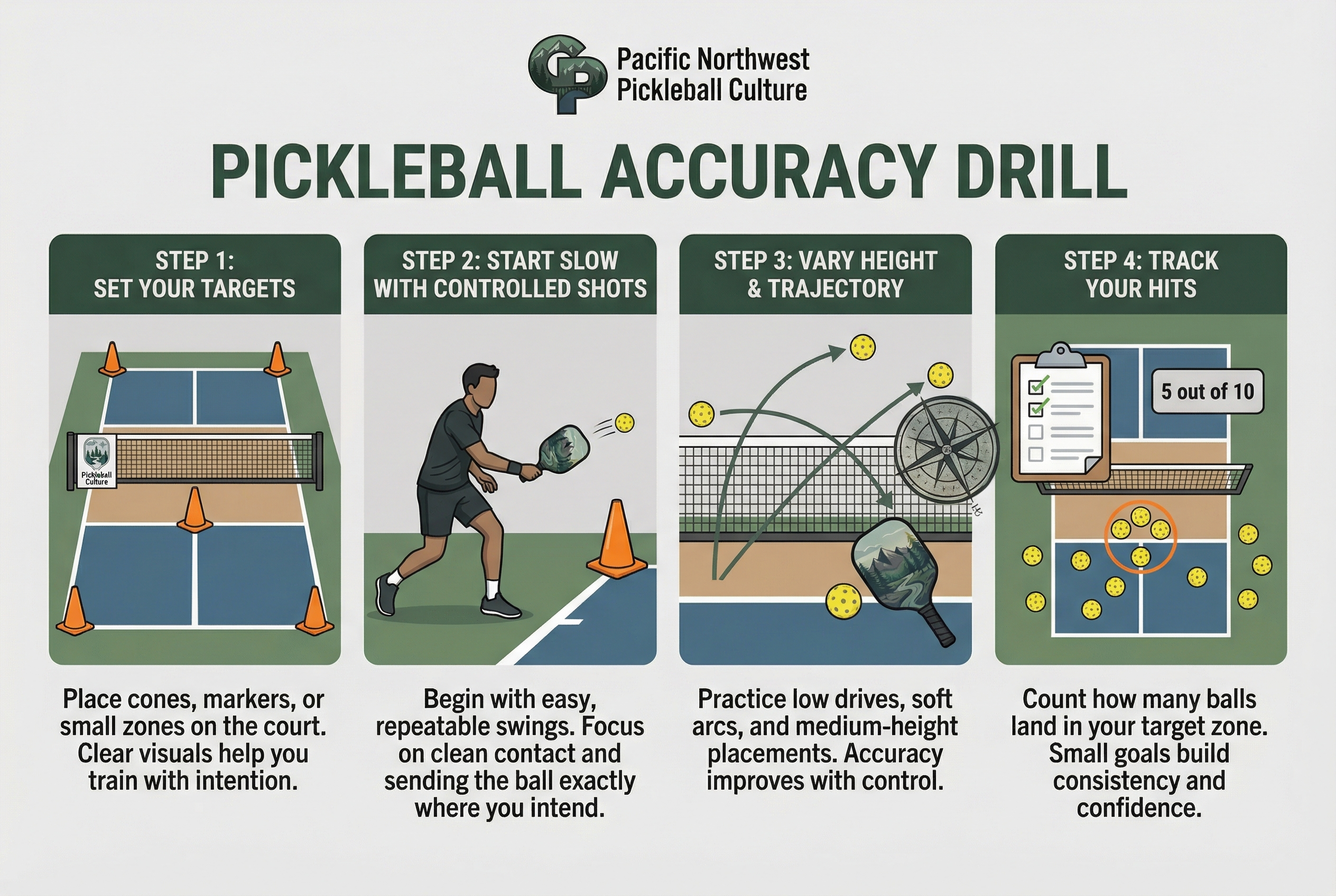
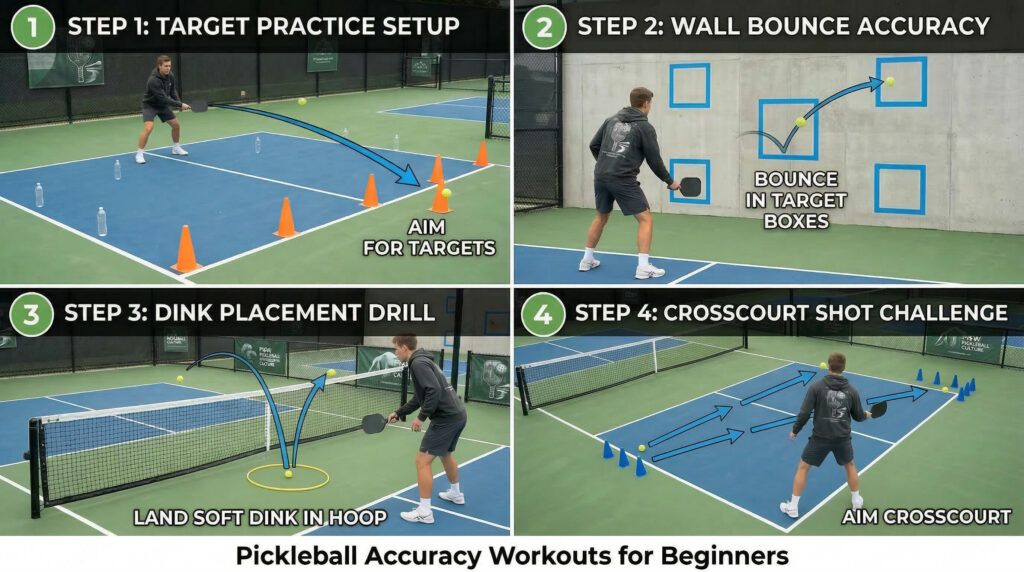
- Target Practice on the Court: I place small cones or even empty water bottles in different corners or at specific spots on the court. Then, I aim to hit the target with gentle, controlled shots. For beginners, start by aiming for larger areas, like service boxes, before switching to smaller targets as you improve.
- Wall Bounce Accuracy: If I don’t have a partner, I use a wall. Drawing squares or taping targets on the wall lets me practice rallying the ball back toward certain spots. Trying to hit ten in a row on the same spot is a fun challenge to see how consistent I can be. This builds muscle memory without needing an opponent.
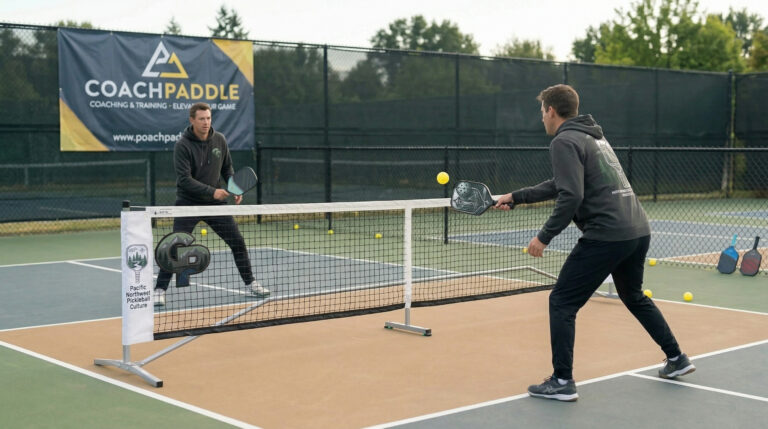
- Dink Placement Drills: Dinking is all about control rather than power. I stand at the kitchen line (the no volley zone) and try to drop the ball just over the net, ideally so it lands inside a hula hoop or a marked area right behind the net. Doing this repeatedly helps me develop a softer touch and master finesse shots.
- Crosscourt Shot Challenge: I set my targets crosscourt, not just straight ahead. This forces me to adjust my swing slightly and predict the path, which is how most actual points play out during real games. Alternating between forehand and backhand strokes also teaches you to hit at awkward angles.
Step-by-Step: How to Set Up a Basic Accuracy Workout
Working through structured drills helped me improve faster. Here’s one routine I use that’s simple and easy to set up, even if you’re playing solo:
- Choose Your Targets: Place two or three cones on one side of the court. The service boxes are a good starting point. If you don’t have cones, towels or colored tape work fine and are easy to move around.
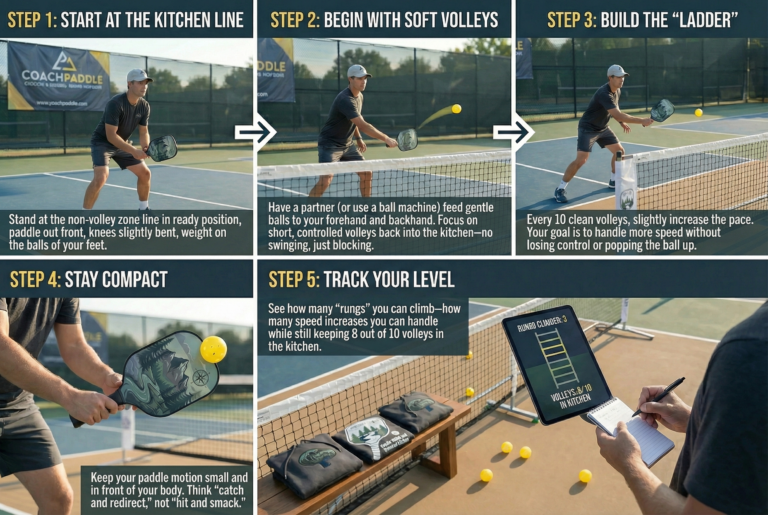
- Start Close to the Net: Begin just a step behind the no volley zone. Hit five balls aiming for your targets. Don’t worry if you miss at first; just try to get a feel for the motion. Focusing on smooth swings instead of force can make a big difference even on your first day.
- Move Back Gradually: Each time you hit five balls, take two steps back and repeat. By the time you reach the baseline, you’ll be challenging your control and power at different distances. Testing various distances also trains your eyes to adjust and improves coordination.
- Switch to Crosscourt: Repeat the same sequence but aim across the net to the diagonal targets. This mimics more advanced rallies, even at a beginner level. Mixing up which side you aim for keeps the workout fresh and engaging.
- Mix in Soft Shots and Drives: I rotate between gentle dinks and firmer groundstrokes during each set. Learning both helps with shot variety and keeps practice from getting boring, plus you’ll be prepared for all types of opponents.
Tips for Making Your Pickleball Accuracy Workouts More Fun and Effective
Some nights, practicing can feel a little repetitive. I add variety by setting small challenges for myself. For example, if I can hit the target five times in a row, I reward myself with a quick break for water or a stretch.
Sometimes I invite a friend and make a game out of it; first person to hit a certain number of targets wins. When I mix it up, practice sessions feel more like mini games and I look forward to playing more.
Creating your own variations — maybe aiming for tricky corners or adding movement before each shot — also helps keep things interesting. If you’re practicing solo, timing yourself or tracking your best streak can be motivating.
When you’re ready to improve your technique, the Pickleball Serving Tips For Beginners guide shows the simplest ways to build accuracy and consistency.
Common Challenges Beginners Face With Pickleball Accuracy (And How I Fix Them)
One of the biggest benefits of Pickleball Accuracy Workouts for Beginners is learning how to control your paddle face.
- Overshooting or Undershooting: I realized most of this was about timing and paddle angle. By slowing down and focusing on a smooth, relaxed swing, I was able to control both the height and distance more easily. Adjusting grip pressure also makes your paddle respond more naturally.
- Missing Side to Side: Sometimes, my shots would drift left or right. Focusing on keeping my shoulders and toes pointed toward my target made a big difference. I also held the paddle loosely; gripping too tightly made my wrist stiff and less accurate.
- Getting Frustrated: Learning accuracy takes time. When I started getting frustrated, I stepped back for a few deep breaths or took a short break. Keeping a positive mindset helped me notice small gains, which made me more patient with myself. Remember, progress can be slow at first, but even the pros had to start at the beginning.
How to Track Your Progress
I use a small notebook to record my drills. Writing down how many targets I hit in ten attempts each day helped me see real progress over a few weeks. When the numbers went up, I knew my practice was paying off.
If the numbers stayed the same, I tweaked my form or tried different drills to shake things up. Tracking your stats also helps you set goals and gives you something to celebrate as you improve. Some players even set weekly or monthly target records just for fun.
Beyond Accuracy: How These Workouts Help Your Overall Pickleball Game
By adding Pickleball Accuracy Workouts for Beginners to your weekly routine, you’ll reduce unforced errors and gain confidence.
- Doubles Communication: Placing shots accurately means my teammate and I can set each other up for easy put aways or force our opponents to move further.
- Serve Accuracy: Putting my serves exactly where I want keeps my opponents guessing and helps me start points with more control.
- Shot Variety: Learning different targets during practice means I’m ready for any situation, whether I’m defending against a hard drive or going for a soft dink. Mixing in variety also keeps matches fun and unpredictable.
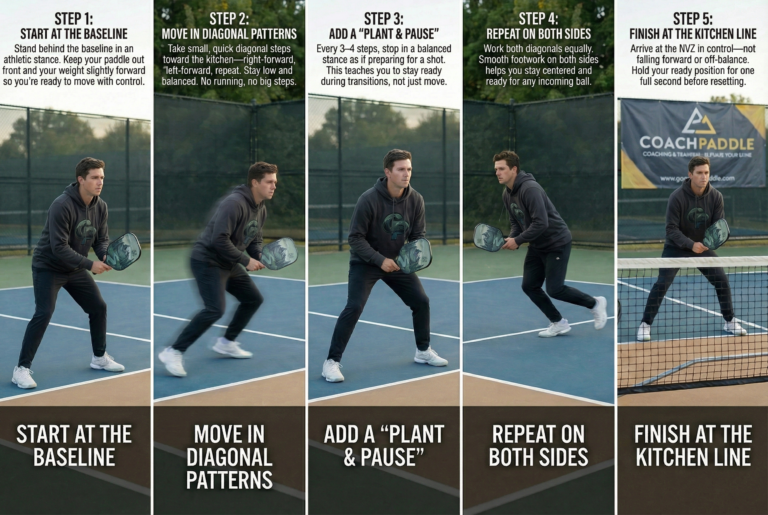
Good footwork at the kitchen makes soft shots much easier to control, and you can build that touch with the drills in my Pickleball Footwork Guide For Beginners
Frequently Asked Questions
Here are some common questions I get from friends who are just starting out with improving pickleball accuracy:
Question: How often should I practice these accuracy workouts?
Answer: Practicingeven three times a week for 20 to 30 minutes can help you see real improvement in your shot control. It doesn’t need to be a big time commitment, and shorter but focused sessions can actually be more effective.
Question: Do I need special equipment for these drills?
Answer: Basicmarkers like cones, hula hoops, or even small towels can act as targets. No fancy equipment is required to work on your accuracy as a beginner. Almost anything you have around the house can be used to mark targets on the court, just make sure it’s safe and not slippery.
Question: Why do my shots keep sailing out of bounds?
Answer: Thisis really common. Try slowing your swing down, keeping your paddle face more closed (angled slightly down), and focusing on making smooth contact with the ball rather than hitting hard. Also, making sure you finish your follow through toward your target helps keep shots in the court.
For official serving rules and guidelines, visit USA Pickleball.
Final Thoughts
Building accuracy is a skill you can always keep getting better at Consistent practice, a positive attitude, and using these simple workouts have improved my own game in big ways. When I pick up my paddle now, I enjoy the added control and confidence that comes with hitting shots just where I want them.
With these beginner friendly exercises and tips, you’ll likely see steady improvement and start having more fun on the court right away.
Grab a paddle, mark out some targets, and start practicing. You’ll be surprised by how much progress you can make in just a few sessions, and you’ll be ready to enjoy even more exciting rallies and close games in no time. Remember, every bit of progress counts, so keep things fun and keep at it!