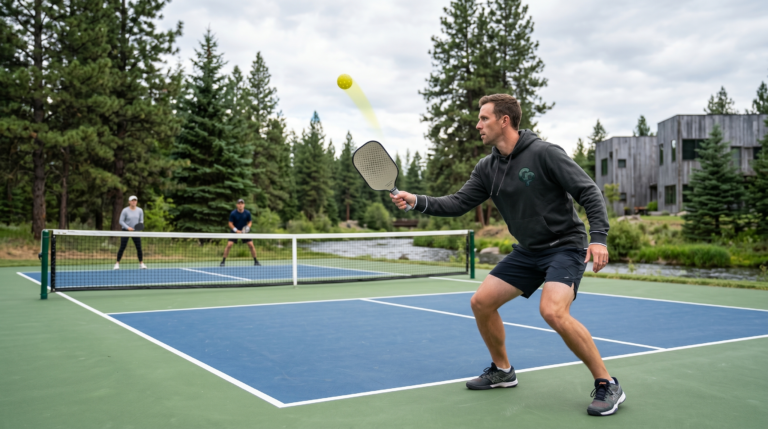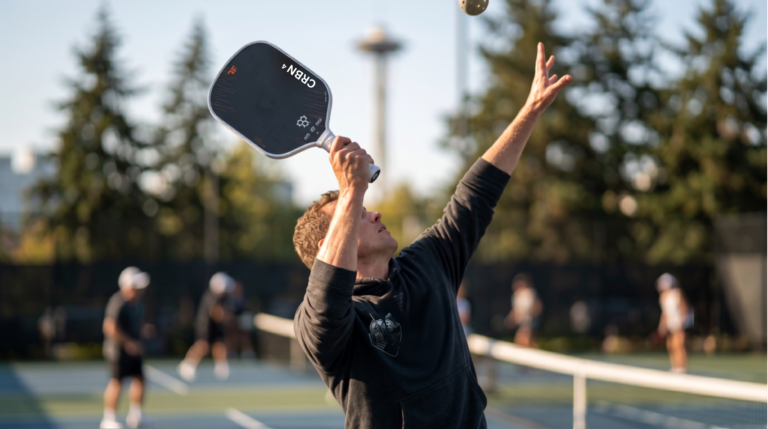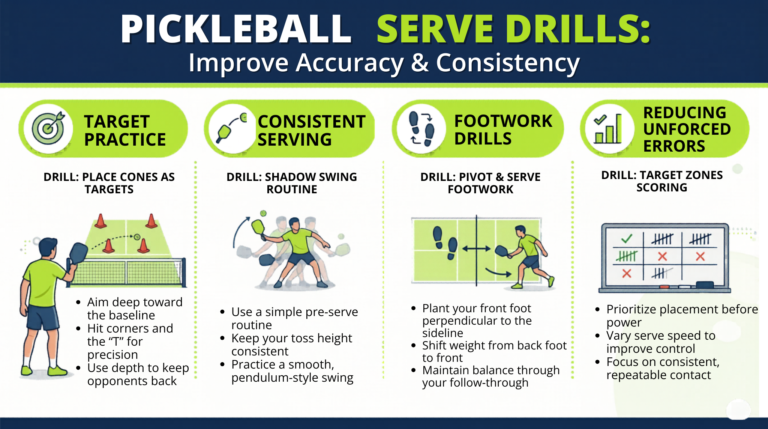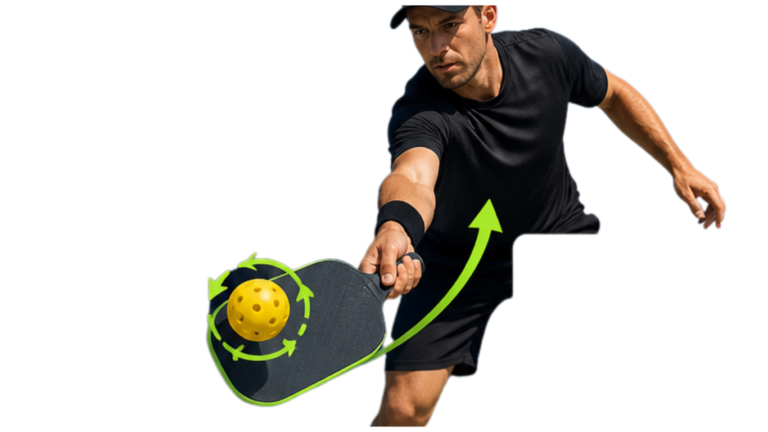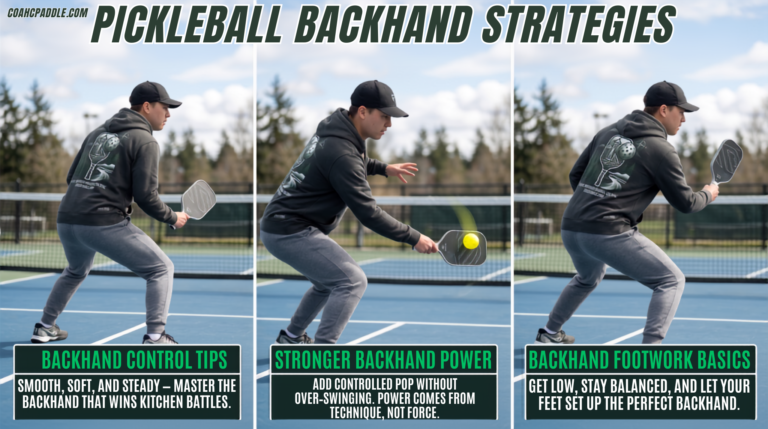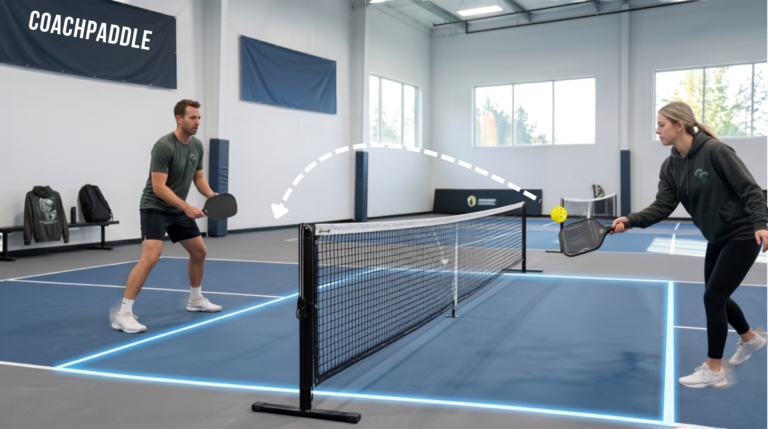
The third shot drop is more than a soft shot — it’s a strategic reset that helps you take control of the point. These Third Shot Drop Techniques are used by top players to neutralize pressure, slow the pace, and transition safely to the kitchen line
These third shot drop techniques give you the tools to reset, slow the game, and move forward with confidence, and as a result, they help you take control of the rally from the very first exchange.
As you compare gear upgrades, reviewing the Top Joola Pickleball Paddles 2026 will help you choose a paddle that actually fits your game.
Top 8 Third Shot Drop Techniques
“Mastering these skills is essential if you want to fully improve your game with the Top 8 Third Shot Drop Techniques to Improve Your Pickleball Game.”
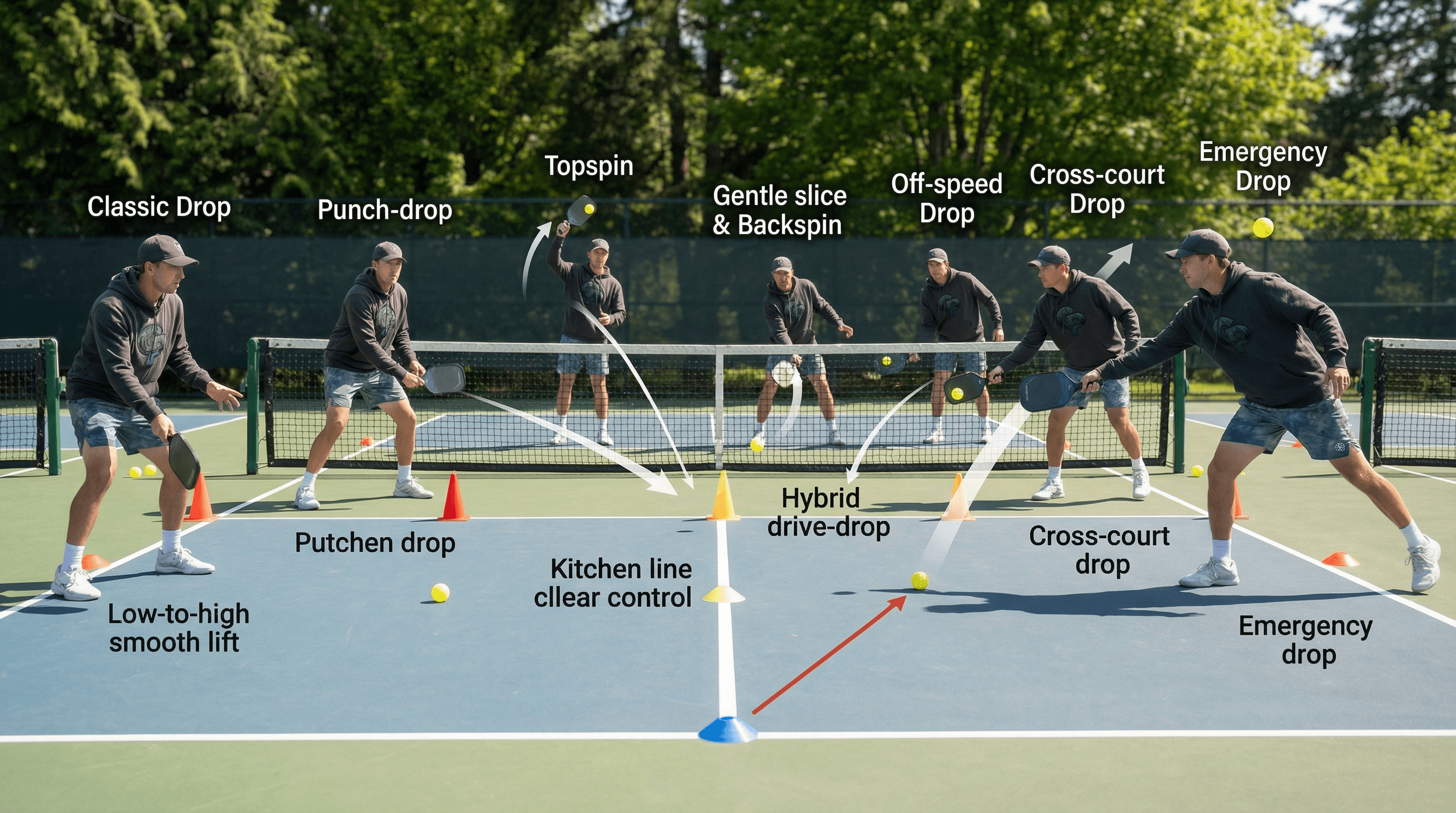
1. The Classic Lift Drop
This is the foundational technique most players learn.
Use a low‑to‑high lifting motion with a slightly open paddle face.
Keep your swing compact and controlled.
Ideal when the return is deep and you have time to set your feet.
Why it works: Predictable, repeatable, and great for building consistency.
2. The “Punch‑Drop” (Compact Push)
A favorite among advanced players.
Instead of a long lift, use a short, firm push with minimal backswing.
Perfect when the ball comes fast or deep and you don’t have time for a full motion.
Why it works: Reduces errors under pressure and keeps the ball low and soft.
3. The Topspin Drop
More advanced, but incredibly effective.
Brush up the back of the ball to add light topspin.
The ball clears the net safely but dips quickly into the kitchen.
Why it works: Harder for opponents to attack because the ball drops sharply.
4. The Slice Drop
A controlled backspin option.
Use a gentle, downward brushing motion.
Best used when the ball sits higher or you’re pulled wide.
Why it works: Backspin slows the ball on landing, making it harder to counterattack.
5. The “Hybrid Drive‑Drop”
Looks like a drive but finishes like a drop.
Start with a drive‑like setup to disguise your intent.
Loosen your grip at contact to soften the ball.
Why it works: Keeps opponents guessing and prevents them from camping at the kitchen line.
6. The Off‑Speed Drop
A subtle variation that disrupts timing.
Use your normal drop motion but slightly change the pace.
ix in slower, floatier drops or quicker, lower ones.
Why it works: Forces opponents to adjust and reduces their ability to attack rhythmically.
7. The Cross‑Court Drop
A high‑percentage option.
Aim diagonally into the opponent’s kitchen.
The longer distance gives you more margin for error.
Why it works: Creates angles, buys time to advance, and reduces net‑cord risk.
8. The “Emergency Drop”
Used when you’re stretched, off‑balance, or late.
Focus on height first, not precision.
Use a high, looping arc to reset the point.
Why it works: Keeps you alive in points you should have lost.
Before you invest in a training machine, visit our Best Portable Pickleball Machines guide, since it breaks down the newest features and user‑favorite picks.
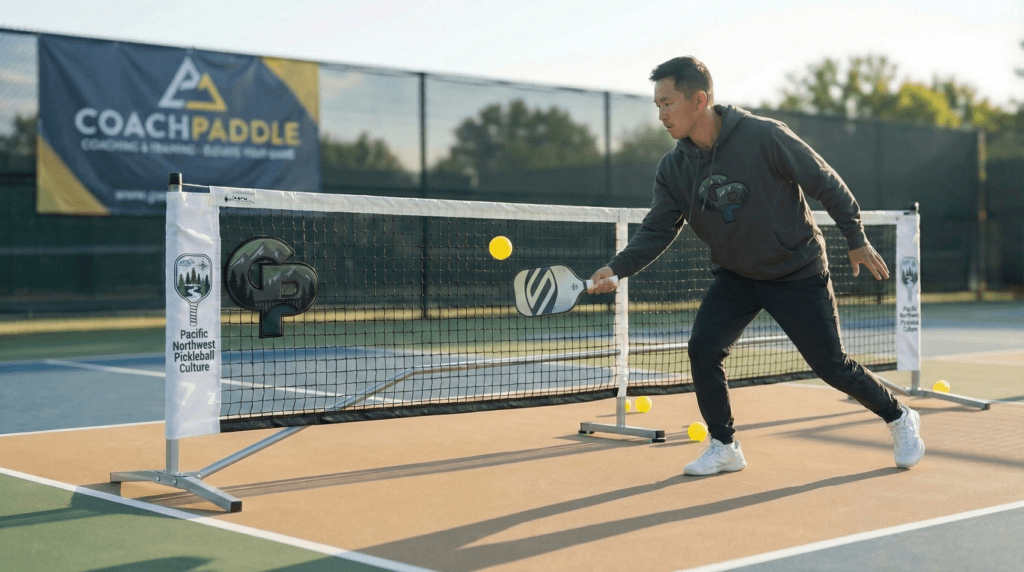
What Is a Third Shot Drop?
This shot looks a bit like a slow arc, dropping low and bouncing softly to limit your opponents’ options, and as a result, it forces them into more defensive replies.
- Height: Aim for a gentle arc that clears the net by just a little bit. Too high, and you lose control; too low, and you risk hitting the net.
- Spin: A little topspin or underspin keeps the ball low after the bounce, which is pretty handy in stopping aggressive volleys.
- Depth: Dropping it closer to the net gives less room for the opponent to maneuver, while dropping it deeper can push them back if they’re hanging near the kitchen line.
Fundamental Third Shot Drop Techniques
Nailing the third shot drop requires practice and a soft touch. Here are the basic steps I follow, which are also the common foundation for most players:
- Good Ready Position: Stand with your knees bent, paddle out front, and eyes on the ball. You want to be balanced and mobile.
- Contact Point: Meet the ball out in front of your body, usually below waist height. Use a gentle, upward motion to scoop the ball.
- Relaxed Grip: Hold the paddle loosely; gripping tightly will send the ball too far or make it bounce too high.
- Use Your Legs: Bend your knees as the ball approaches and rise smoothly as you swing. This helps add a soft lift to the shot.
- Follow Through: After contact, follow through at a slight upward angle, and as you do, avoid swinging too hard so the paddle’s face can do the work for you.
Different Styles of Third Shot Drops
Players don’t all drop the ball the same way, and because of that, you’ll see several techniques depending on preference, paddle type, and play style. Here are a few popular ones I’ve tried or seen used often:
- Traditional Drop (Forehand or Backhand): A gentle, scooping swing with an open paddle face. This is great for precision and works well when you’re under pressure.
- Topspin Drop: Add topspin by brushing up and forward on the ball. This helps the ball dip quickly after going over the net, making it stay low after the bounce.
- Slice Drop: Use a slicing motion to add backspin, causing the ball to slow down and sometimes skid lower after the bounce. This can be especially tricky for your opponent.
- Crosscourt Drop: Dropping crosscourt gives a bit more margin for error with the net and creates awkward angles for your opponent. It’s good for mixing up your attack and keeping them guessing.
How to Improve Consistency and Placement
Getting a third shot drop to land where you want it, over and over, takes real, focused practice, and because of that, it helps to follow a clear sequence. Here are some steps I use for consistent placement:
- Target Practice: Place small cones or markers along the kitchen line and try to drop shots within a paddle’s length of those targets. Keep score and try to improve over time.
- Bounce Check: Watch how high the ball bounces after landing. Shots that bounce up above knee height are easier for your opponent to attack, so keep them low.
- Partner Feed Drills: Have a partner hit deep returns to you, and focus on dropping the third shot soft and short. This is great for simulating real game situations and building confidence.
- Shadow Swings: Practice the swing motion without a ball to get comfortable with the relaxed grip and smooth follow-through.
- Move Your Feet: Stepping or shuffling into the ball rather than reaching helps you set your body for better touch and accuracy. Working on your footwork keeps your positioning sharp.
Common Third Shot Drop Mistakes (and Fixes)
- The Ball Goes Too High: This usually means swinging too hard or making contact too late. Try slowing your swing and meeting the ball in front of your body.
- The Ball Lands Short (Into the Net):This can happen from “short arming” or decelerating at contact. Visualize lifting the ball with your legs, not your arm alone, and finish the swing with smooth upward motion.
- No Spin or Over Slice: A completely flat shot can float up, while too much slice might make it drop too early. Experiment with adjusting your paddle face angle a little at a time for the right amount of spin.
- Poor Footwork: Standing still or reaching adds inconsistency. Make quick, small steps to stay balanced and adjusted to each return.
Remember, every error is a learning opportunity. Take time to analyze where the shot went wrong and adjust for the next try.
When to Use the Third Shot Drop
The third shot drop is really important, but it isn’t your only option. Knowing when to change it up is a big part of reading the game:
- Drop When: Opponents are already at the net, and you want to slow the rally so you and your partner can join them. A good drop here helps neutralize their position.
- Drive When: The return is short or high enough to attack, or if your opponent is out of position. Driving keeps the pressure on and prevents the defense from getting comfortable.
- Lob Occasionally: If opponents are crowding the net, a soft lob on the third shot can reset the point and catch them off guard, especially when they least expect it.
Advanced Third Shot Drop Tips
Once you start getting drops into the kitchen more often, try adding these higher-level elements:
- Use Deceptive Body Movement: Set up as if you’re hitting a drive, then switch grip pressure for a last-second drop. Observant opponents won’t see it coming, and you’ll keep them guessing.
- Increase Arc Height When Needed: If facing a tall opponent, make your drop arc a bit higher, but still soft enough to die in the kitchen.
- Add Placement Variety: Mix up your targets to both corners, keeping opponents guessing and uncomfortable. Touch shots to the sides of the kitchen keep teams moving laterally.
- Integrate Drops with Dinks: Once at the net, blend your drops and subsequent dinks seamlessly for smoother point control. Switching quickly between these two shots adds pressure and unpredictability.
According to Pickleball Canada, developing consistent swing mechanics early helps beginners build long‑term control.
Frequently Asked Questions about the Third Shot Drop
If you’re new to practicing third shot drops, you probably have some questions. Here are a few common ones:
Q: Is a third shot drop always the best option?
A:Not every third shot needs to be a drop. If you get an attackable ball, a drive or lob might be smarter. It comes down to judging positions and reading the game. Over time, you’ll get a sense of when to switch things up for the best results.
Q: Should I learn drop shots on both forehand and backhand?
A:Definitely worth practicing both, since you might not always have time to set up for your strong side after a deep return. Comfortable third shot drops on both sides give you way more options in tight situations.
Q: What’s the best way to practice third shot drops at home?
A:Wall drills or using a rebounder net really help, and in addition, marking targets on the floor gives you more precise feedback on your accuracy. Even a simple chalk line or piece of tape works well, and as a result, it makes your aiming far more purposeful.