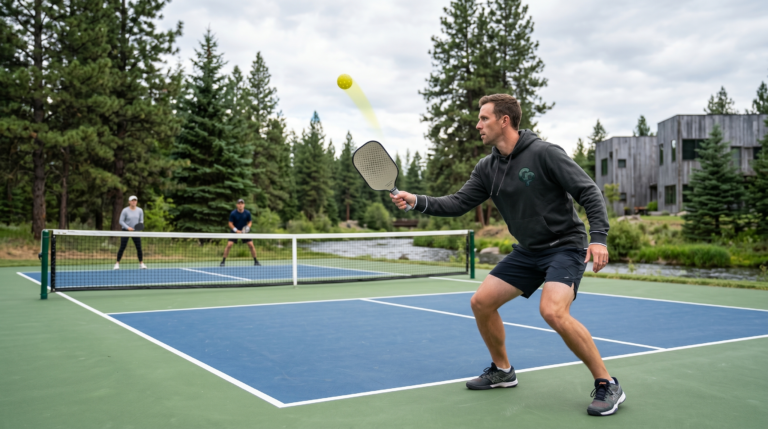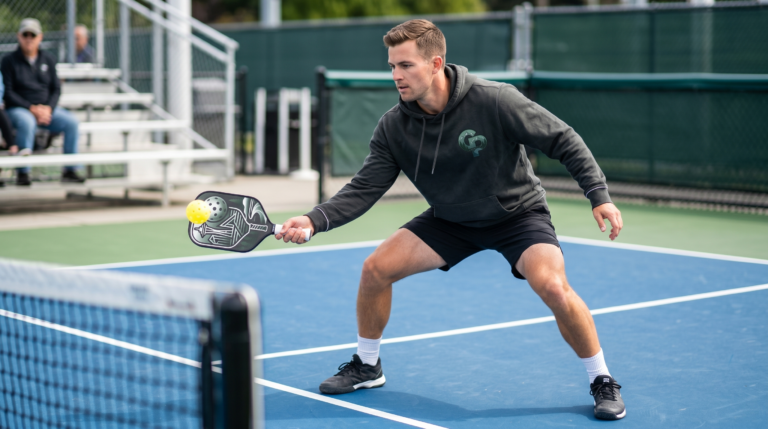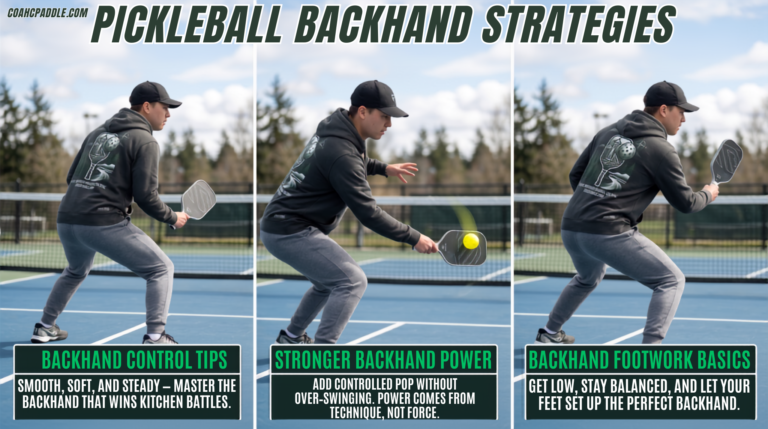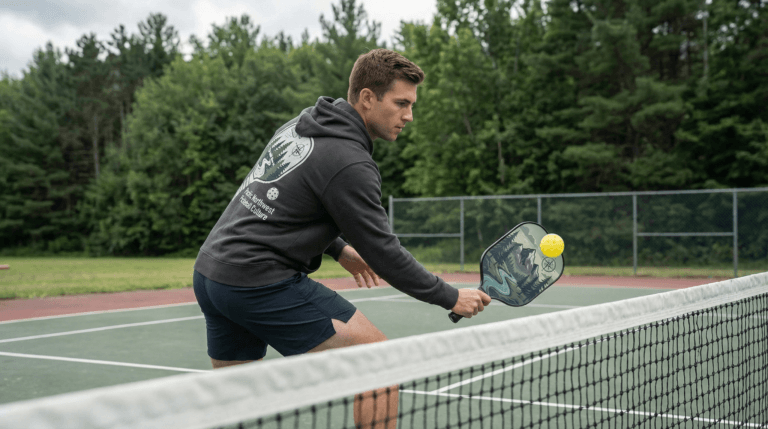
Adding Pickleball Spin guide shots brings a lot more variety to your game and keeps your opponents guessing. Whether you’re working on topspin drives, slicing your serve, or mastering that tricky dink, spin is a powerful tool that takes practice but gives you a real edge once you learn to use it the right way. I’ll walk you through everything you need to bring your Pickleball Spin guide skills to the next level.
If you want a softer, control‑focused paddle, the Selkirk Evo Control Max is a solid option to check out.
Understanding Spin in Pickleball
Pickleball Spin Guide changes the way the ball moves through the air and bounces off the ground or your paddle. There are a few main types:
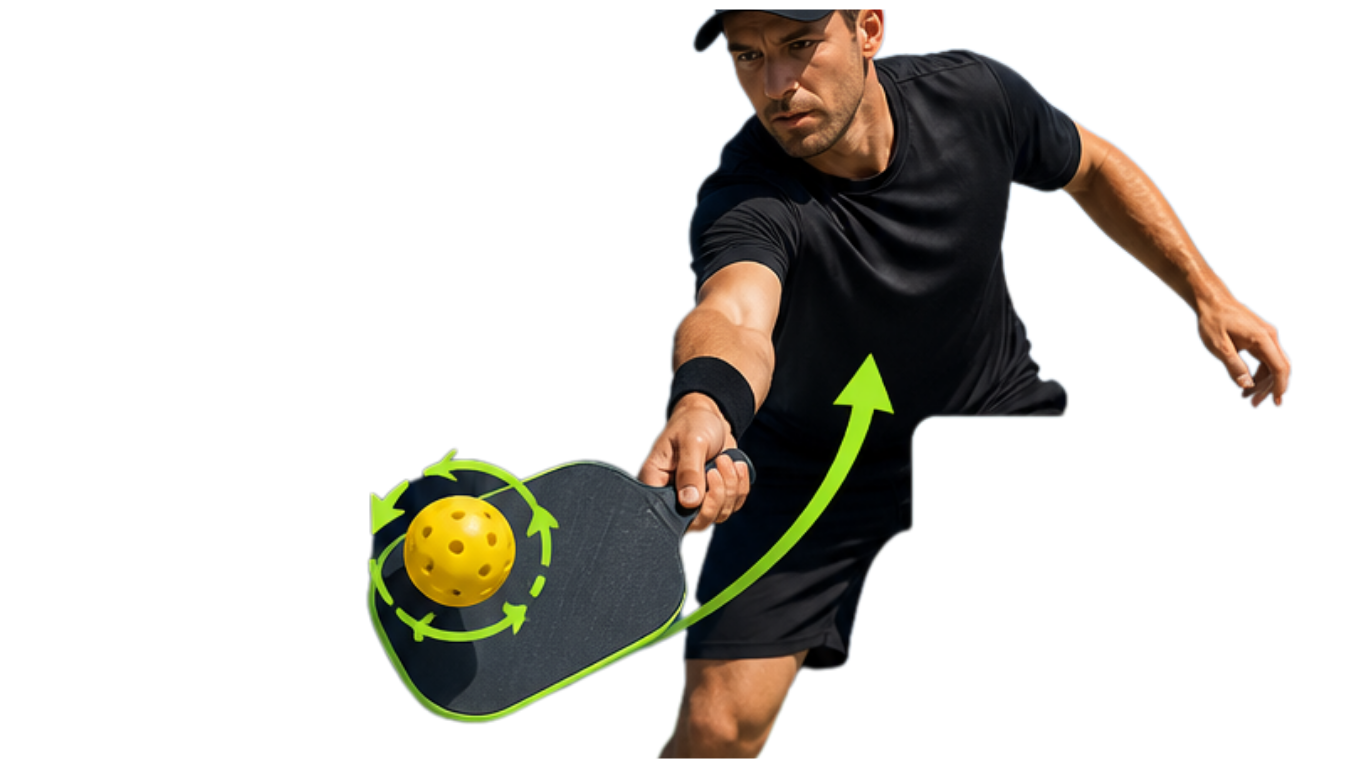
- Topspin: The ball spins forward, making it dive down after it crosses the net. This keeps your shot low and hard to return.
- Backspin (Slice): The ball spins backward, causing it to float a bit and slow down after bouncing. The ball stays low to the ground, making it tricky for your opponent to attack.
- Sidespin: The ball spins left or right, curving sideways in the air or kicking off the bounce. This spin works nicely on serves or when you want to make your opponent stretch wide.
Understanding how each type of Pickleball Spin Guide behaves and when to use it can instantly give your shots much more variety.
Add Spin Pickleball: The Basics You Need First
Adding spin to your shots isn’t just about looking cool. Spin actually has some real benefits:
- You make your shots less predictable, forcing errors or off-balance returns.
- You can hit harder with topspin without sending the ball out.
- Backspin and sidespin help control the pace and placement, making drop shots or dinks stay low.
- Spin opens up new angles, letting you shape your shots around or away from opponents.
Even a little spin can make a surprisingly big difference, especially when your rival isn’t used to dealing with it.
For a full breakdown of this year’s lineup, check out our guide on the Top Top Joola Pickleball Paddles 2026.
Starting Out: Add Spin Pickleball With Topspin, Backspin, and Sidespin
Here’s a Pickleball Spin Guide breakdown of the practical basics for pickleball spin. If you’re new, these are some solid places to start:
- Topspin: Brush up and over the back of the ball with a low to high swing. Think about brushing the ball’s surface with your paddle, not just smacking it flat.
- Backspin/Slice: Slice under the ball, moving your paddle from high to low with a little forward motion. It’s about letting the paddle “cut” underneath, putting a gentle backward spin on the ball.
- Sidespin: Swing slightly across the ball from right to left (for left spin) or left to right (for right spin). Paddle angle and wrist movement help create that curving spin.
Try all three spins out in slow practice rallies or against a wall, paying attention to what they do after bouncing back to you.
Step-by-Step Guide: Building Reliable Spin Shots
- Grip Matters: Try a slightly looser grip so you can use your wrist comfortably. An Eastern or Continental grip works well for spin.
- Stance and Footwork: Get low with knees bent and stay on your toes. Good positioning means better paddle control and easier spin.
- Paddle Angle: The angle of your paddle’s face matters more than you might think. For topspin, tilt the face down a bit; for slice or backspin, open it up slightly.
- Wrist Motion: Don’t be afraid to use your wrist to help brush the ball. This wrist “flick” makes a huge difference, especially as you get used to the feel.
- Follow Through: After contact, your swing direction controls the spin. For example, with topspin, your paddle should finish up high, while for slice, it finishes low and out front.
- Practice with Purpose: Focus on quality, not just how fast or hard you’re hitting. Try picking one spin type each session and really work on building the muscle memory. A dozen or so focused reps often work better than endless random rallies.
Equipment Tips for Better Spin
Your paddle actually affects how much spin you can create. Here’s what makes a difference:
- Paddle Surface: Gritty, textured paddles grip the ball better and make it easier to add spin. Standard paddles are fine, but those with extra texture (not just painted grip) really help out.
- Paddle Shape: Elongated paddles or those with larger sweet spots allow more confident swings and spin friendly contact.
- Paddle Material: Composite and graphite paddles usually offer more spin potential than basic wood options.
While everyone can generate spin with most paddles, checking out a more textured composite model can be super useful if you’re ready to step up your spin game.
For simple, beginner‑friendly recommendations, visit our Best Pickleball Paddle For Beginners roundup.
Common Challenges with Learning Spin
- Hitting the Ball Into the Net: Topspin and sidespin (especially when you first learn them) often end up dying in the net. It helps to make sure your swing path stays smooth and you follow through, not just chop at the ball.
- Sending the Ball Out: If you’re hitting with too much force and not enough brush, the ball can fly long. Dial back your power and focus more on brushing than bashing.
- Inconsistent Bounces: Backspin and sidespin can lead to odd bounces. Practicing with a partner or on a ball machine can help you adjust over time.
- Tough Returns: When your opponent starts spinning the ball at you, it’s easy to misjudge the bounce. Keep your knees bent and watch the paddle face for clues about what’s coming.
Topspin Troubleshooting
If your topspin shot keeps going into the net, make sure your paddle stays below the ball at contact and you’re swinging up, not across. Picture brushing up the back and finish with your paddle over your shoulder.
Dealing With Slices
When practicing backspin, keep the swing smooth and avoid “chopping” too hard. Moderate slice works best for keeping the ball low without killing the shot entirely.
Mastering Sidespin
Sidespin is a little less common for beginners, but once you start, you’ll see how much it can add to serves and tricky wideangle dinks. Use a gentle sideways brush at contact and exaggerate your followthrough out to the left or right, depending on the direction you want.
Using Spin in Real Game Situations
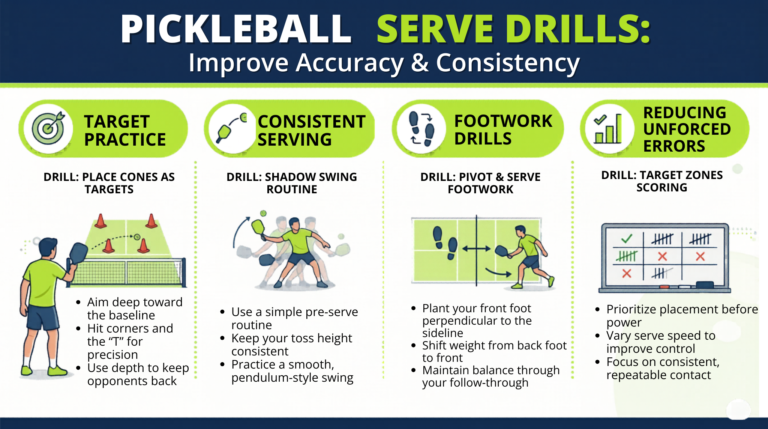
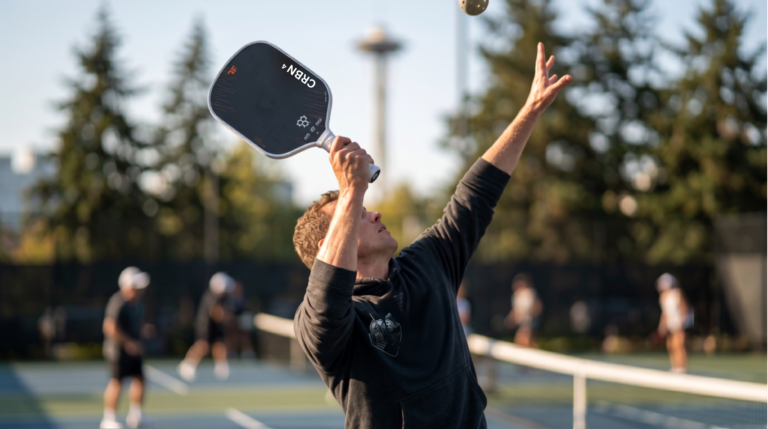
- Serve: A little topspin or sidespin on your serve makes it much harder to return, and it helps keep the ball inside the court if you like serving aggressively.
- Dink Shots: Adding underspin on a dink keeps it low over the net, forcing your opponent to hit up and reducing their ability to attack.
- Third Shot Drop: A touch of topspin on a third shot drop brings the ball down quick and lands it softly, making it hard for your opponents to volley aggressively.
- Reset Shots: Slicing these shots can help neutralize your opponent’s pace and give you time to recover at the kitchen line.
Start simple. Pick one shot or situation and work on spinning just that for a while. You’ll spot the difference in your rallies pretty quickly once you get a feel for it.
Frequently Asked Questions
How do I practice spin if I don’t have hitting partners?
You can practice consistently hitting with spin by using a wall or rebounder net. Aim to hit the ball with topspin or slice and watch for how it comes back after each bounce.
Why do some paddles seem to give more spin?
Paddles with textured composite faces grip the ball better, so it’s easier to brush and add spin. If your paddle feels slick or worn, you might notice it’s harder to get the ball rotating.
Can you put too much spin on a shot?
Totally. If you focus only on spin and not control, you may lose accuracy or speed. Spin is most effective when you use it to supplement good fundamentals, not replace them.
You can also check the official USA Pickleball approved paddle list here to confirm which models are tournament‑legal.
Extra Tips: Adding Spin Without Overthinking
- Focus on consistency first, power second. Reliable spin is better than wild, one-off winners.
- Mix up spins with your regular shots. Don’t be afraid to throw in a surprise drop or lob with spin; most players find it hard to handle what they aren’t expecting.
- Keep an eye on your paddle face at contact. The angle you present to the ball is what makes the difference.
- Don’t forget to have fun with it! Practicing spin can make even solo sessions interesting.
The more you play with spin, the faster it becomes a natural part of your pickleball toolkit. Once the muscle memory kicks in, you’ll start using spin without thinking, and it’s amazing to see your shots become tougher and much more fun for you to play.