Pickleball backhand strategies are one of the fastest ways to level up your game. Whether you struggle with control, power, or consistency, improving your backhand helps you win more points and stay competitive at the kitchen line. In this guide, you’ll learn simple, effective techniques to build a stronger, more reliable backhand.
Why the Backhand Matters in Pickleball
Pickleball backhand strategies matter because the backhand often gets less attention than the forehand, yet it’s crucial for both offense and defense. A strong backhand helps you handle tight spots, return tricky serves, defend fast volleys, and create angles your opponent won’t expect.
Pickleball backhand strategies matter because the game isn’t just about power — it’s about placement, control, and quick reactions at the kitchen line. When you trust your backhand, you play with more confidence and creativity. Whether you’re covering the whole court in singles or battling fast exchanges in doubles, a strong backhand becomes your secret weapon for winning more points.
To sharpen your movement and support these pickleball backhand strategies, check out our guide on Advanced Footwork Drills for Players.
Breaking Down the Backhand: Essential Pickleball Backhand Strategies
Nailing a good backhand starts with solid mechanics. For newcomers, the main points to remember are:
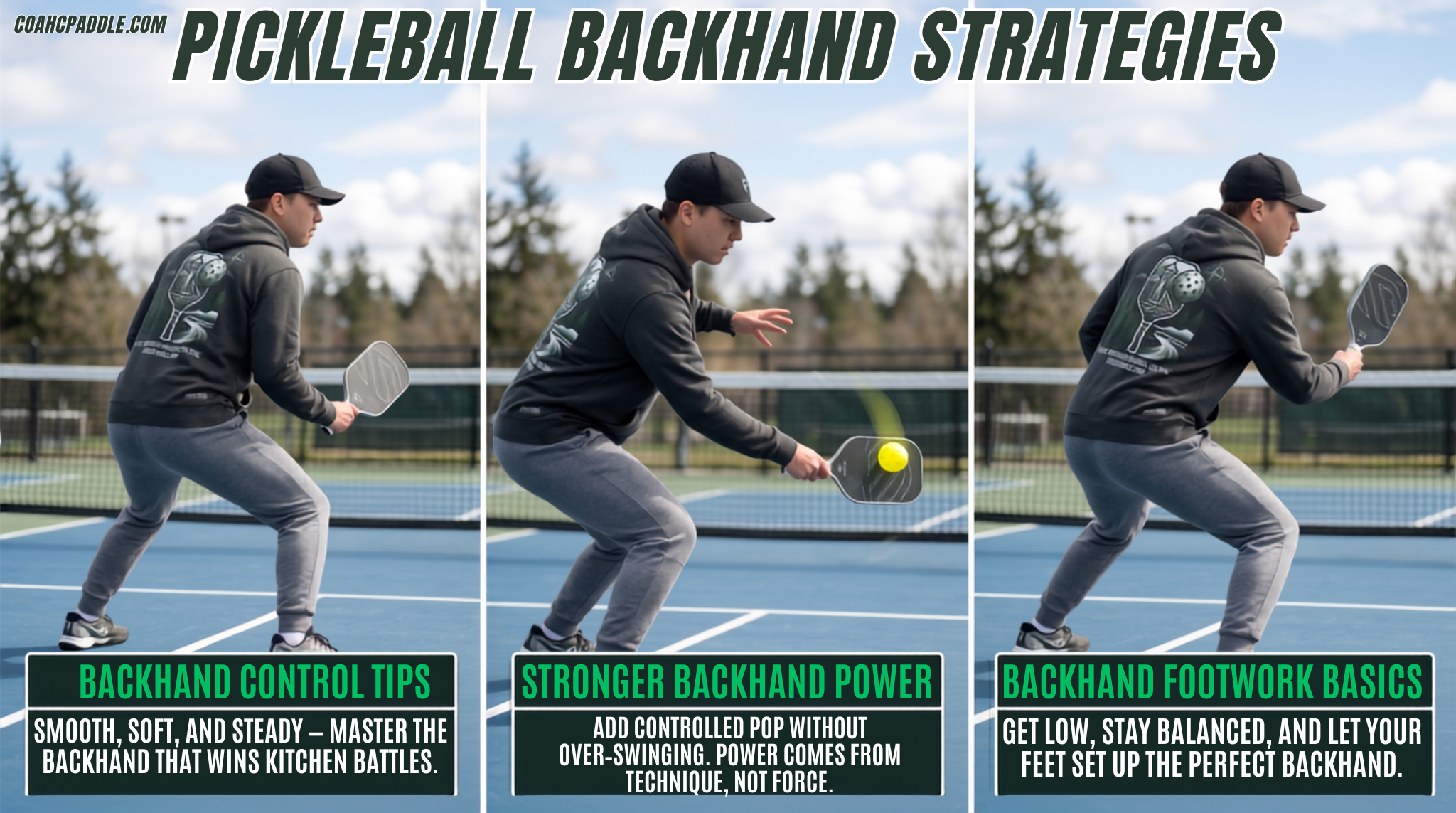
- Grip: Most players use a continental grip for their backhand, holding the paddle like they’re shaking hands with it. This grip is flexible and works for everything from dinks to quick drives.
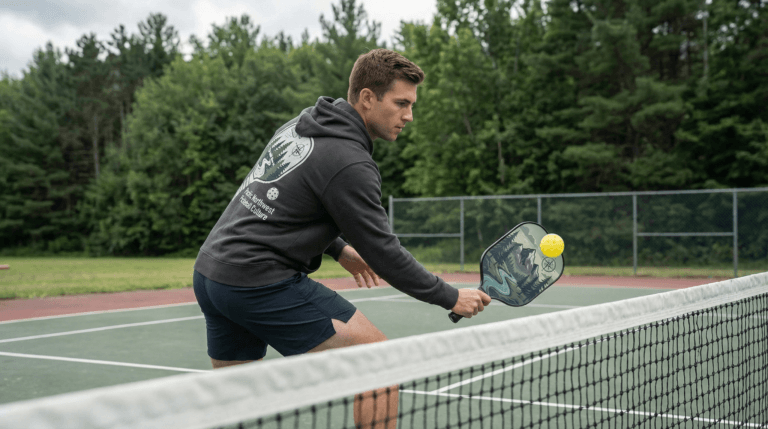
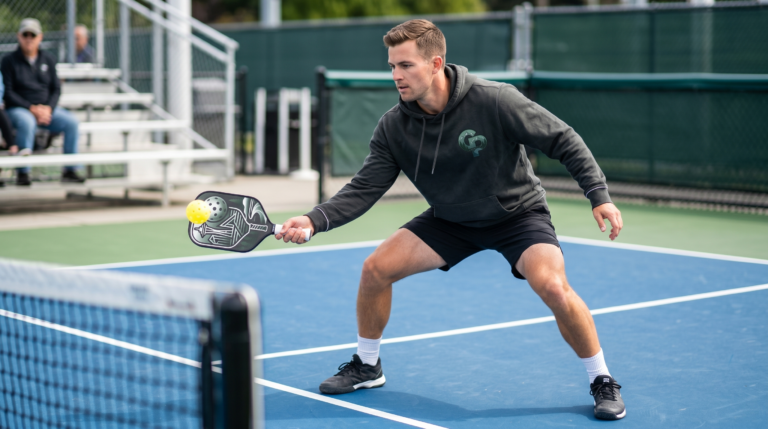
- Footwork: Get your body positioned early. If you’re waiting for the ball to come to you, odds are the shot won’t go where you want. Use small steps and pivot your feet so your shoulders line up to the net.
- Swing: Compact is key. Start with the paddle back and swing forward using your shoulder and arm as a unit, finishing with your paddle pointing where you want the ball to go.
- Follow-Through: Don’t stop your motion after contact; let the paddle carry through smoothly. This helps with accuracy and adds consistency to your shot.
Practicing these fundamentals makes advanced pickleball backhand strategies easier and cuts down on errors when the pressure hits. If your mechanics still feel off, watch a few solid tutorials or ask a more experienced player for quick, practical tips.
Master Your Backhand Dink
Top Backhand Strategies for Different Game Scenarios
Having a few go-to backhand strategies in your pocket can really pay off no matter what position you’re in on the court. Here are some of my favorites that can fit just about any playing style:
1. Backhand Dinks at the Kitchen
Dinking with your backhand close to the net is a huge part of pickleball because it forces your opponent to hit up on the ball, making errors more likely. Keep your wrist firm, and try to gently push the ball just over the net. Aim for your opponent’s backhand or feet, especially if they struggle with low balls. Mixing up the depth and angle keeps things unpredictable, even if you’re not hitting hard. Try to keep your dinks low and move your opponent from side to side to open up space.
2. Backhand Drives and Punches
When your opponent gives you a ball that sits up or you’re farther from the net, adding a punch or drive with your backhand can keep rallies dynamic. Focus on meeting the ball in front of your body and using a snappy motion. Drives are flatter and a little faster, great for catching someone off guard or pushing them deeper when they’re crowding the net. Quick punch volleys are super useful during fast-paced exchanges near the kitchen and can help you reset the rally or finish the point if you see an open lane. Practice alternating between a softer placement and a hard, flat drive so you can react to different ball speeds.
3. Backhand Roll Shots
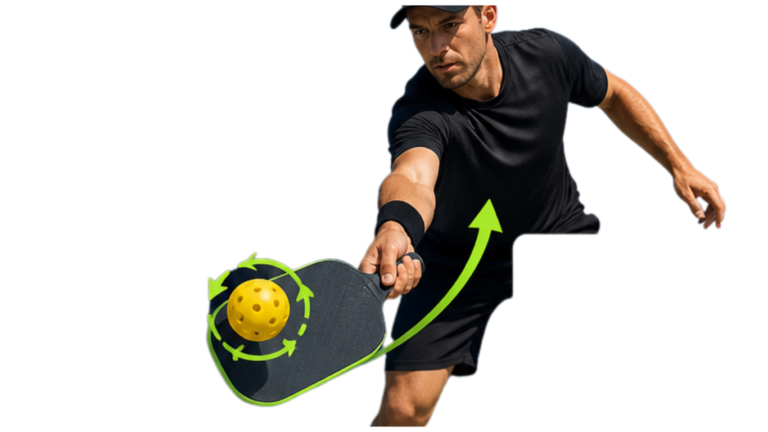
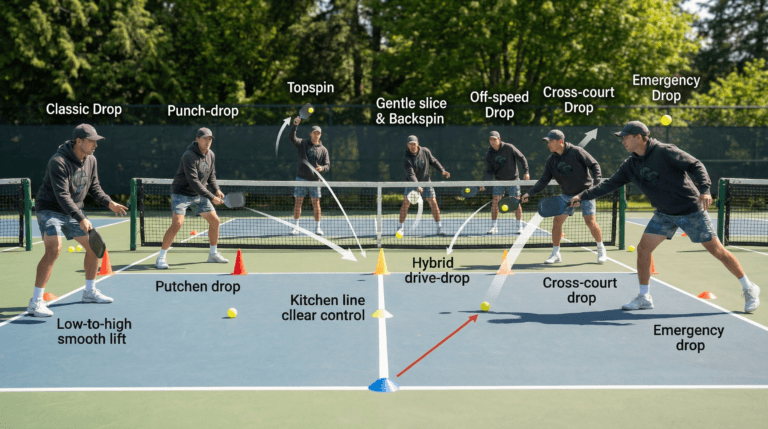
One shot that a lot of players (including me!) are adding to their arsenal is the backhand roll, which is a gentle topspin lift that arcs over the net and drops quickly. These are pretty handy on third-shot drops or when you want to change the pace, especially if your opponent expects a dink. Angle your paddle underneath the ball, brush up, and aim for just past the net so the bounce stays low and makes it tough to attack. Incorporating the roll shot adds an element of surprise and can neutralize big hitters on the other side.
4. Defensive Backhand Blocks and Resets
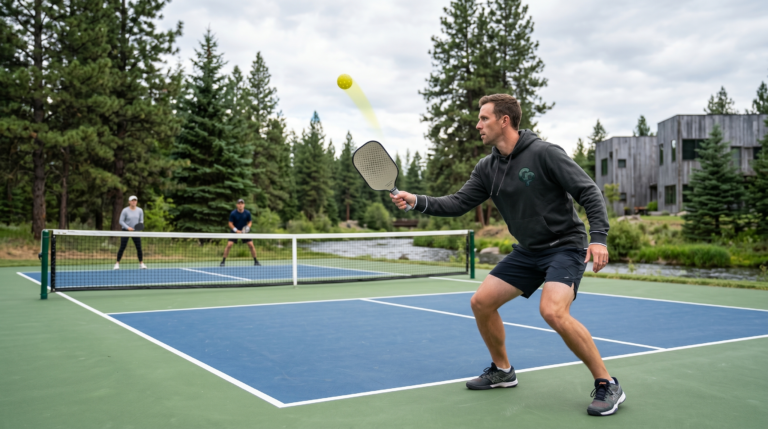
Pickleball gets fast in doubles, and knowing how to block powerful shots on your backhand is really important. Instead of swinging, just set your paddle as a wall and let the ball rebound off it. Soft hands and loose grip help take the pace off the shot. Blocks and resets are perfect for getting back into the point if you’ve been driven deep or are defending hard smashes. These blocks can turn a defensive moment into an opportunity to regain the advantage.
To sharpen your net play even further, check out our guide on Advanced Pickleball Volley Techniques.
Common Backhand Mistakes and How to Fix Them
Most players run into a few stumbling blocks with their backhand. Here are some issues I see a lot, with quick fixes to try:
- Reaching Instead of Moving: Avoid stretching for balls with just your arm. Step toward the ball, adjust your stance, and hit using your full body for better control.
- Paddle Too Low or Too High: Keep your paddle up and in front of your chest. This helps with quick reactions, especially during kitchen battles.
- Tight Grip: Gripping the paddle too hard can lead to stiff, inaccurate shots. Loosen your grip to improve touch, especially during dinks and drops.
- Late Preparation: Get the paddle back early and set up your shot. Waiting until the last second makes you rely too much on wrist, which isn’t reliable.
Small changes here can make a big impact fast. I always like to film myself or ask for feedback to spot habits I might not notice in the heat of a match. Another tip: try slowing down your practice drills and exaggerating your setup to cement muscle memory.
How to Practice Your Pickleball Backhand Effectively
Taking your backhand from “meh” to “reliable weapon” means spending some real time in practice. Here are a few solo and partner drills I use to lock in backhand skills:
- Wall Drills: Grab a ball and hit backhands against a wall, keeping it low and controlled. Focus on consistency and aim for a certain number in a row to build muscle memory. Vary your distance from the wall to simulate returns from both the baseline and the kitchen.
- Kitchen Dink Games: Grab a partner and rally backhand-to-backhand across the net, aiming for the kitchen. Try to last 10-20 shots before switching sides or moving to live play. You can also add targets on the court to practice placement.
- Third-Shot Drops: Practice dropping the ball softly into the kitchen from the baseline with your backhand. This is huge for staying competitive in doubles, as it helps you reset points when under pressure.
Even a few minutes of warm‑up can keep your backhand sharp, and adding friendly challenges makes practice way more motivating. Tracking your progress—like counting mistakes or setting a personal high score—keeps things fun and focused.
When you don’t have a partner, a ball machine is perfect for repetitious drills that reinforce solid pickleball backhand strategies. Consistency is everything, and frequent reps lead to fast improvement.
Advanced Tactics for Stronger Backhand Play
The basics are all you need for solid play, but if you’re hungry for more, here are some ways to turn your backhand into a shot that opponents actually respect:
Disguised Drop Shots: Set up by shaping your paddle as if you’ll drive the ball, then drop it short. This can freeze aggressive players and give you control of the point.
Changing Spin: Mix in slice, topspin, and flat shots with your backhand. Some players really struggle when they can’t predict the spin coming their way, so this can rack up errors on the other side.
Angle Creation: Work on steering your backhand dinks and volleys toward the sidelines. Forcing your opponent wide opens up the court for your next shot or a drive down the middle if they overcompensate. As you keep practicing these different shots, you’ll find you can change up your play style to keep opponents guessing every time.
Studying videos of advanced players helps here; they’re always adjusting pace and placement to stay unpredictable. I’ve picked up a few sneaky moves that way and encourage anyone interested to watch, then test these tactics during casual play.
Real Situations Where a Good Backhand Pays Off
Real-world play puts your backhand under pressure, especially in these situations:
- Fast Exchanges at the Kitchen: Your backhand lets you block, reset, and redirect shots without needing time to switch grips or move around the ball for a forehand.
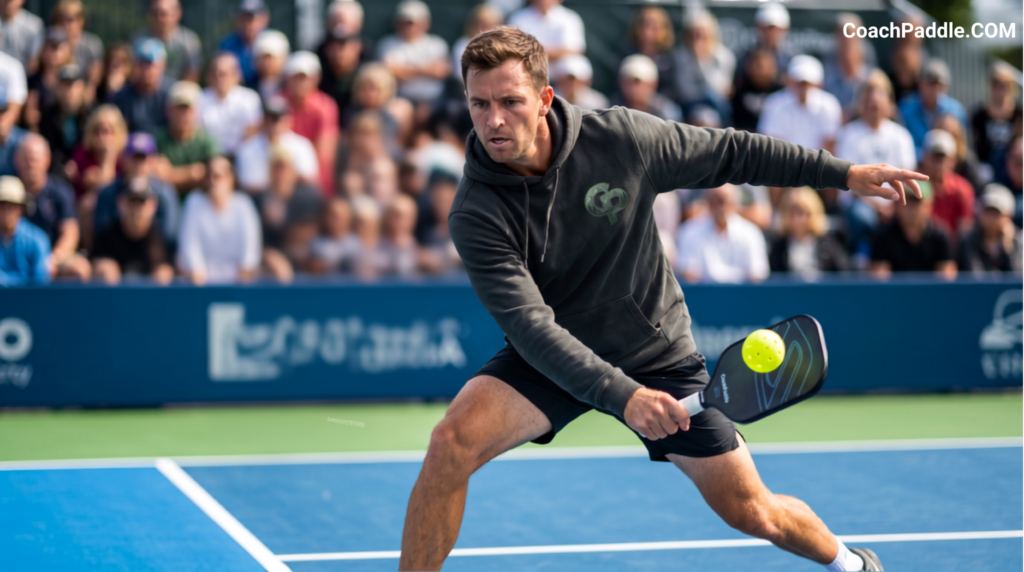
- Reaching Wide Angles: Opponents often target your backhand sideline, testing if your offhand shots can stand up. Staying sharp here closes that easy escape route.
- Defensive Recovery: On the run or pulled out of position? A practiced backhand keeps you alive in points you might otherwise lose. A reliable backhand is also valuable during lobs and smashes, especially when you have to respond quickly.
It’s not always about winners. Sticking with the point using a good backhand can turn defense into offense, which feels awesome when you pull it off! With experience, you’ll start spotting which rallies are optimal for a backhand counterattack, adding a new layer of excitement to your adventure on the court.
For help picking the right court shoes, check out our guide on How To Choose Pickleball Shoes.
Frequently Asked Questions About Pickleball Backhand
Some questions come up often, especially for people just checking out pickleball strategy. Here are clear, practical answers I wish I’d had when I was starting out:
Question: What’s the easiest way to improve my backhand?
Answer: Start with drills close to the net, like dink rallies. Then add wall work or slow-motion repetition to build the motion into your muscle memory.
Question: Is it worth hitting forehands instead of backhands?
Answer: Forehands are great and often more powerful, but running around your backhand all the time exposes your court. A solid backhand saves energy and adds more options to your game.
Question: How do I know if my grip is right for backhand shots?
Answer: If you’re comfortable dinking and volleying on both sides with the same grip, you’re set. A continental “handshake” grip works nicely for most players.
Wrapping Up
Getting the hang of different backhand shots, knowing when to use them, and putting in consistent reps can seriously elevate your game. As your confidence grows, your rallies become less predictable and way more fun.
Bring these pickleball backhand strategies into your next match, keep practicing, and you’ll see your control and consistency on the backhand side start paying off fast. Sharing what you’ve learned with friends or teammates also reinforces your own skills — and might inspire them to level up too.
For official paddle specifications, visit USA Pickleball’s equipment standards.