Advanced pickleball volley techniques can really add a new dimension to your game. Once you’ve gotten comfortable with the basics, mixing in more complex moves makes you a tough competitor at the net. I’ve found that using different volleys, adjusting grip, and smart footwork can help disrupt your opponent’s rhythm and set you up for some winning points. So, in this article, I’m sharing the volleys that have helped my own game and practical tips you can use right away, whether you’re playing for fun or in tournaments.
Why Advanced Volley Techniques Matter in Pickleball
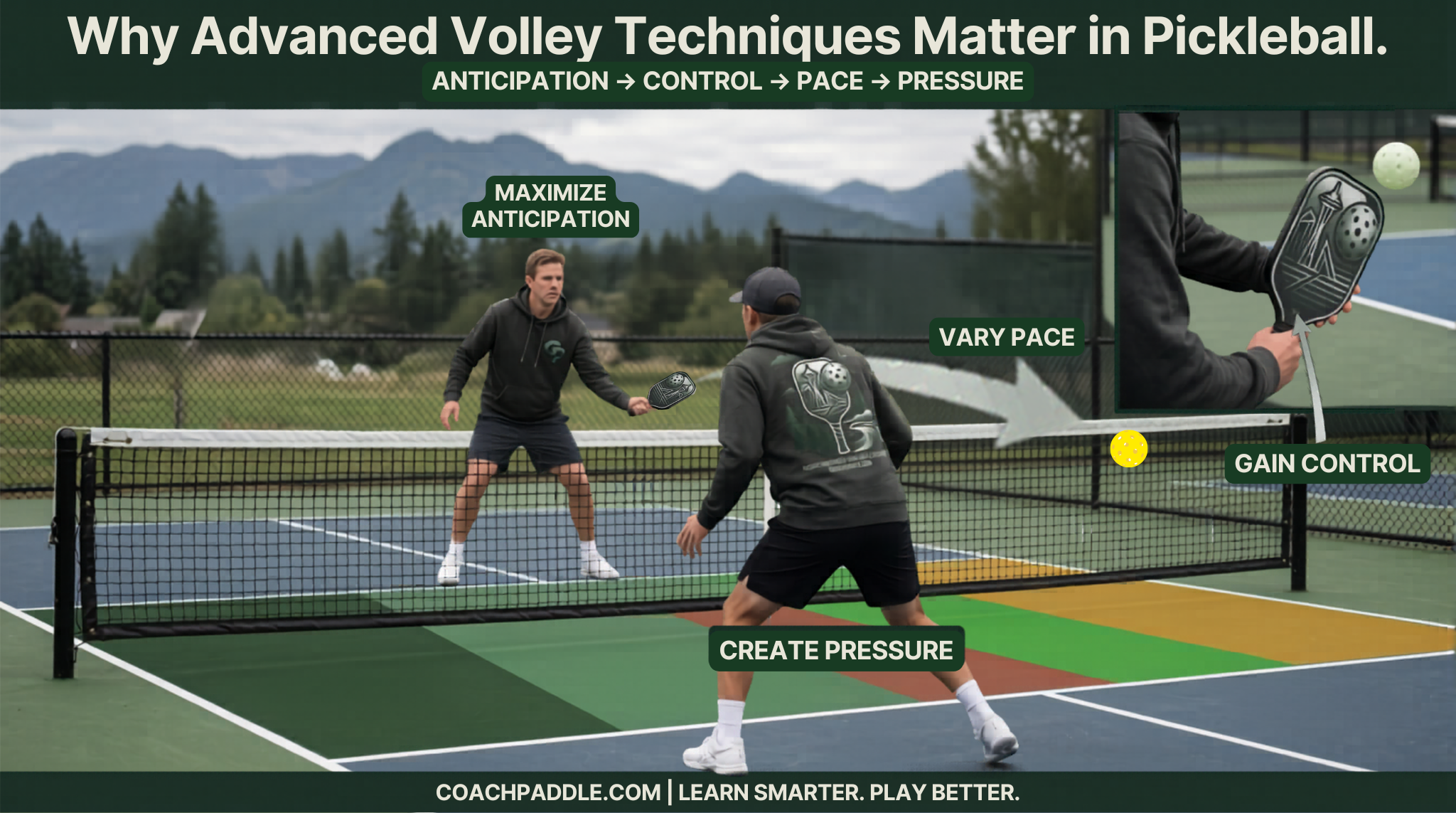
Pickleball moves fast at the kitchen line, and the volley, or hitting the ball out of the air before it bounces, is where you’ll rack up a lot of points once you understand the basics. Advanced volley skills create more options against tough players who like to keep you on your toes. By learning new ways to volley, I find that I can change the pace, control more rallies, and even force errors from stronger opponents. Even if you don’t use every move in every game, having these techniques in your back pocket keeps things unpredictable for your rivals. It keeps them guessing and creates opportunities in close games when points really matter. If you can step up your volleys, you’ll raise your personal ceiling and stand out in competitive play.
For players upgrading their safety gear, our guide to Pickleball Protective Eyewear Options breaks down the best choices.
Getting Comfortable with Different Types of Pickleball Volleys
- Block Volley: This defensive shot absorbs your opponent’s power. I use it when someone fires a hard shot my way. You hold the paddle stable and let the ball rebound, which takes speed off and keeps the shot in play. This volley is especially valuable for neutralizing big hitters and turning defense into an immediate counterattack.
- Punch Volley: When you want to redirect a ball with a burst of speed, this is your go to. It’s just a short, sharp punch with your paddle that sends the ball back quick and low. The punch volley puts your opponent on the defensive and is great for attacking balls just above net height.
- Roll Volley (Topspin Volley): Adding a little topspin helps drop the ball down faster on your opponent’s side. I like this when I’m at the net and see a chance to make the ball dive down at their feet. This shot is a weapon for finishing points or forcing awkward returns at their shoes.
- Drop Volley: This finesse shot is more about soft touch than power. You absorb the ball, taking most of the pace off, so it barely clears the net. Great for catching people out of position, especially if your opponent is hanging too far back behind the kitchen line. Dropping the ball softly can reset a rally and put you back in control.
One bonus tip: practice varying your volley type even within one rally. Moving quickly from a block volley to a roll volley keeps your opponent on their heels and can often open up a winning angle. Getting good at switching among these volleys on the fly builds confidence and court awareness.
How to Hit Elite Volleys in Pickleball
Mastering Grip and Stance for Advanced Pickleball Volley Techniques
Your grip and stance set the foundation for consistent volleys. For Advanced Pickleball Volley Techniques play, I stick with the continental grip because it lets me switch between forehand and backhand volleys easily without shifting my hand around between shots. Here’s what helps me stay ready for any volley at the net:
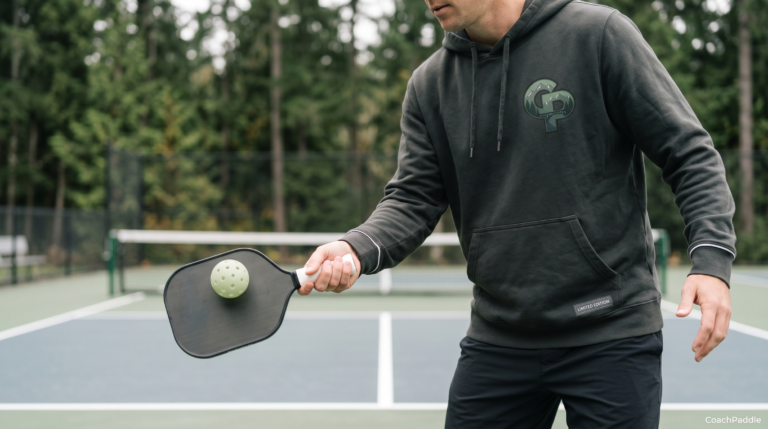
- Paddle Up: Holding the paddle up in front of your body (around chest height) means less movement is needed when the ball comes your way. This simple habit gives you a split second advantage over slower setups.
- Light Grip Pressure: I use a loose grip, which keeps my wrist flexible and quick, really useful for rolling shots or changing direction quickly.
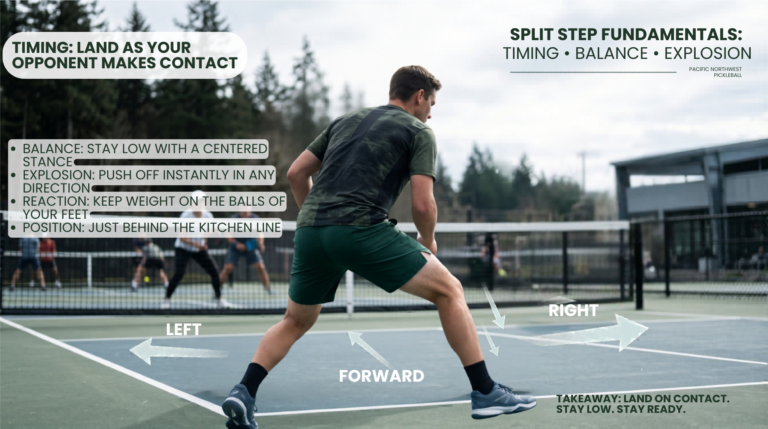
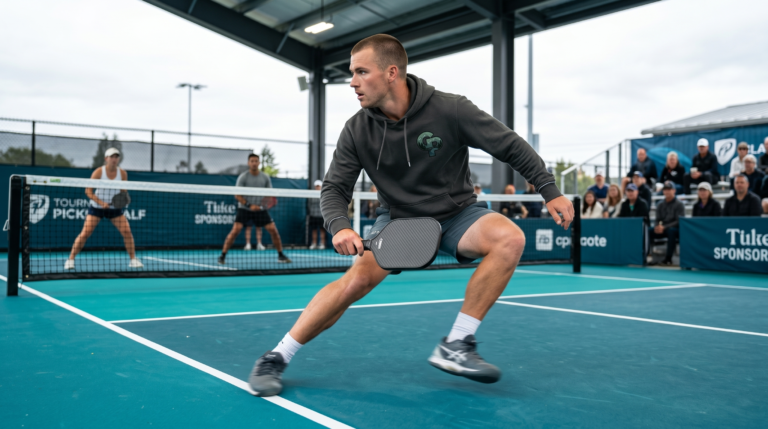
- Ready Position: Balanced on the balls of your feet, knees slightly bent, weight evenly distributed, and always ready to push off either side when the action heats up.
If you want to move like the pros, try practicing your ready stance in front of a mirror or video yourself. You’ll spot quirks in your footwork or paddle position that could tighten up your game.
If you’re upgrading your setup, our Best 6 Paddle Brands 2026 list highlights the top performers this season.
How to Read Opponents and Anticipate Ball Placement
Developing good anticipation is super important. Watching your opponent’s body language, paddle angle, and arm movement gives clues about where the ball might go next. I like to keep my eyes on their paddle face. If it’s open or they’re swinging under the ball, I’m ready for a softer shot or a dink. If it looks like a firm punch, I brace for a powerful volley or drive.
Some players telegraph their shots more than others, and after a few exchanges, you can pick up on patterns. Stepping up your own anticipation skills by staying alert will help you react faster for both defense and attack. I always remind myself to watch my opponent as much as the ball, so I can get a jump on their next shot. Over time, you learn to spot tiny details that let you poise yourself for the right volley, whether that means backing up for a drive or leaning forward for a surprise drop shot.
Practical Drills to Build Advanced Volley Skills
Getting really good at pickleball volley techniques comes down to consistent, focused practice. I’ve added these drills to my warmups to sharpen reflexes, improve timing, and build the muscle memory needed for fast, confident volleys.
- Quick Hands Drill: Stand at the kitchen line with a partner and rally back and forth using just volleys. Focus on keeping the paddle in front and reacting quickly, and challenge yourselves to increase speed over time. Try to see how many volleys you can keep going in a row; this will boost your hand eye coordination.
- Target Practice: Place cones or targets on the other side of the net. Try different volleys, aiming for specific targets. This helps develop control and accuracy on punch, drop, and roll volleys. Over time, you’ll build confidence picking your spots in a real match.
- Block Reaction Drill: Have a partner hit hard shots at you while you block-volley each one back using soft hands. This builds confidence when returning fast balls under pressure, and is especially useful for getting comfortable with powerful opponents.
Consistency is everything. Practicing these drills just a few minutes each session can drastically improve your reaction time and consistency at the net.
Common Challenges with Advanced Volleys (And How I Overcome Them)
It’s normal to run into problems when you’re pushing your volley skills. Some common challenges I’ve faced include:
- Hitting Too Hard: It’s easy to get excited and smack the ball out. Dial down the swing and use more wrist than full arm to keep shots controlled. If you feel tense, loosen your grip and focus on feel over force.
- Getting Caught Flatfooted: Not being on your toes makes it hard to reach fast volleys. I remind myself to stay light on my feet, always ready to push off either side.
- Mishits or Pop-Ups: If a volley pops up too high, you’re just asking for a put away from your opponent. Try to hit the center of the paddle face and relax your grip to avoid this.
Why Soft Hands Matter for Finesse Volleys
Everyone wants to hit hard, but soft hands are just as important. A relaxed grip and gentle touch allow for better control, especially with drop volleys or when you’re scrambling to reset the point. The less you grip the paddle, the easier it is to cushion hard shots and drop the ball softly on the other side of the net. Practicing with softer hands will help you get comfortable deflecting power shots back into play with precision.
Adjusting for Power and Placement
The best Advanced Pickleball Volley Techniques isn’t always the hardest one. I like to mix up my shots; sometimes meeting the ball early with a punch to keep it low, other times letting it come in close so I can drop it just over the net. It’s all about staying unpredictable and making the other side guess. Next time you play, challenge yourself to aim for different spots and vary your speed to break up your opponent’s rhythm.
Applying Advanced Volleys in Doubles and Singles
Volley tactics change a bit depending on whether you’re playing singles or doubles. In doubles, teamwork at the net is a big deal, so communication with your partner helps prevent both of you going for the same ball or leaving gaps. I aim for sharp angles with punch volleys in doubles, which often forces errors or creates easy put-aways. If both partners stay active and call their shots, they can cover more space and pressure the other team.
Singles needs a little more patience. There’s more room to cover, so I focus on controlling the middle with block volleys and picking moments for aggressive attacks. Consistency with your volleying opens shots that can put your opponent on defense. In one on one play, try not to rush; instead, build points by placing the ball strategically and waiting for your opening to attack with a roll or punch volley.
Both formats will test your focus but also reward smart tactics and variety at the net.
Advanced Volley Tips for Game Changing Results
Here are a few extra tips I always keep in mind during matches:
- Change the Spin: Mixing in topspin and backspin volleys messes with your opponent’s timing. A roll volley is awesome for topspin, while an underspin chop can make the ball stay low or even skid. Work on gripping the paddle lightly to better adjust the spin on the fly.
- Vary Placement: Never aim for the same spot twice in a row. Hit one deep, one short, one angled, and keep your opponent guessing. This tactic is especially effective against players who love routines or patterns.
- Look Before You Hit: Before making a volley, I take a quick peek at the court to spot any open spaces or opponents out of position, and I’ll aim there. Training your eyes to see gaps as the play develops will quickly boost your shot selection and confidence.
Explore our Online Shop to find paddles, gear, and training tools that match your playing style.
Pickleball Volley Techniques FAQ
I get a lot of questions about volley technique, so here’s a quick FAQ on topics new and seasoned players often wonder about:
Question: Should I always volley everything in the air at the kitchen line?
Answer: Not always. Dinks are still super useful at the net. If a ball is dropping low, sometimes it’s smarter to let it bounce and play a dink instead of forcing a tough volley.
Question: How do I stop my volleys from going out of bounds?
Answer: Work on grip pressure, paddle angle, and body alignment. Using softer hands and keeping your paddle face slightly downward helps keep balls in.
Question: Is it easier to volley with a certain paddle?
Answer: Some paddles have larger sweet spots or softer materials that are pretty forgiving. If you’re struggling with feel, try test-driving a few styles until you find one that gives you more control at the net.
Here’s another common question:
Question: What’s the best way to practice volley reactions solo?
Answer :If you don’t have a partner, try hitting volleys against a practice wall at different heights and speeds. This will help you get used to different bounces and sharpen your reflexes. Aim at low targets or tape zones on the wall to focus your accuracy, mimicking various game situations.
For official paddle specifications, visit USA Pickleball’s equipment standards.
Wrapping Up Your Advanced Pickleball Volley Playbook
Mastering Advanced Pickleball Volley Techniques is about being creative, confident, and quick to adapt on the court. Trying out new volleys, sharpening your anticipation, and mixing up spin and placement keeps things interesting and makes you a tougher player. Pickleball is as much about smart moves at the kitchen as it is about athleticism, so give these techniques a try, and see which ones give your game the biggest boost! Whether you’re working on block volleys, mixing in roll shots, or just having fun experimenting, every step will make you a more versatile and effective player. Next time you’re on the court, remember to mix it up and enjoy the ride—your teammates and opponents will definitely notice the difference!