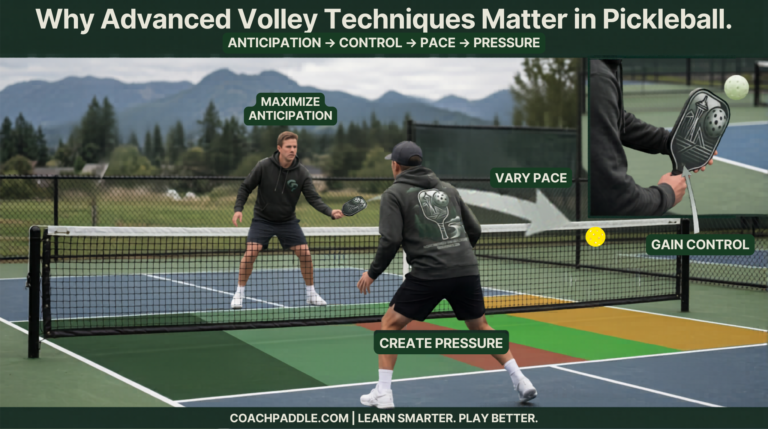
Learning how to execute the perfect dink shot is one of the fastest ways to improve your control, patience, and strategy at the net. This guide breaks down the mechanics, footwork, and touch you need to stay consistent during longer rallies.
Understanding the Perfect Dink Shot
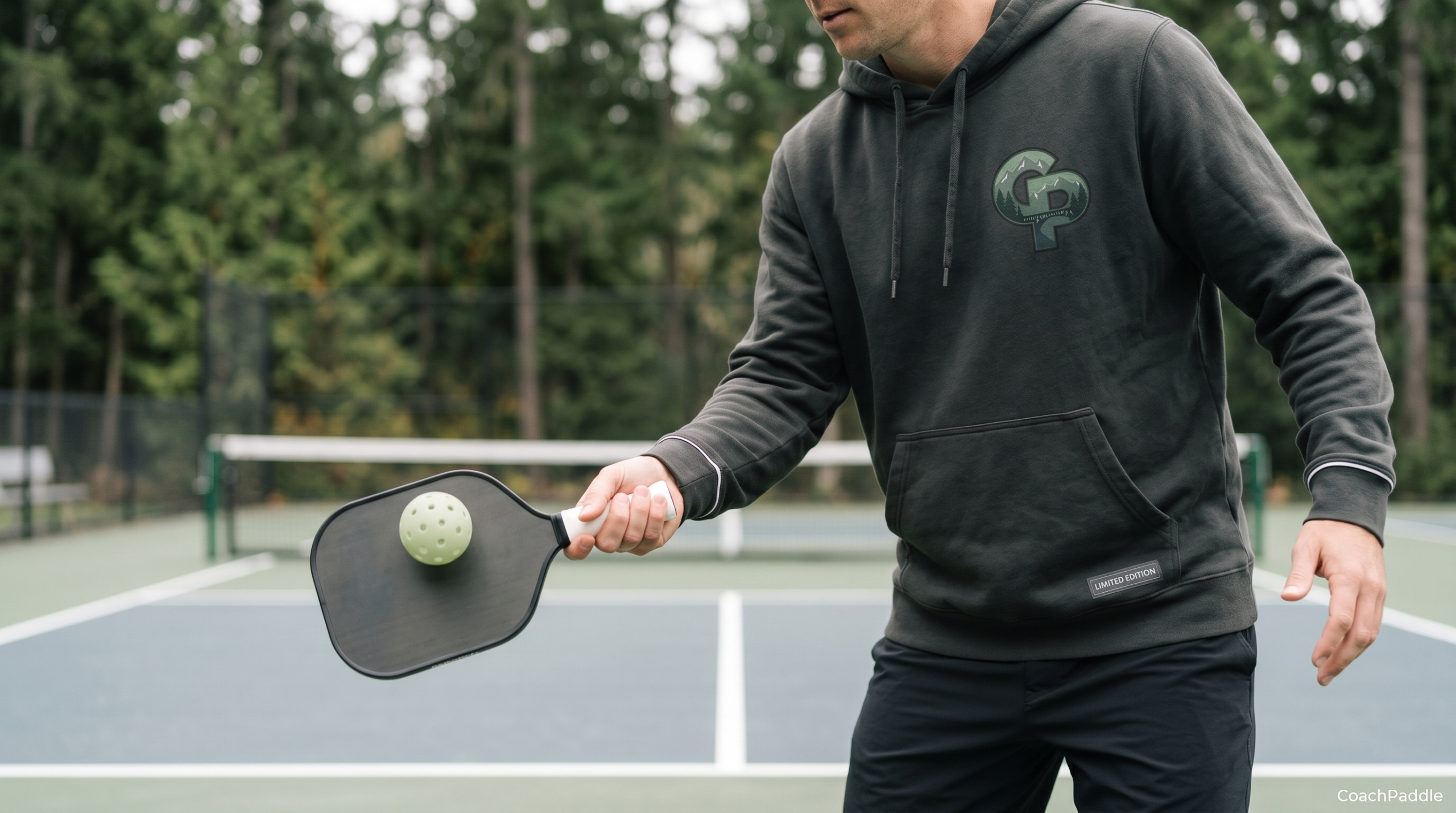
The perfect dink shot in pickleball is a soft shot played close to the net that lands in your opponent’s non-volley zone (kitchen). At a higher level, it becomes more about precision, placement, and patience. Instead of just keeping the ball in play, advanced dinks disrupt rhythm, create openings, and test your opponents’ movement and patience. Knowing the difference between a basic dink and an intentional, strategic dink shot is super important for winning longer rallies against tough opponents.
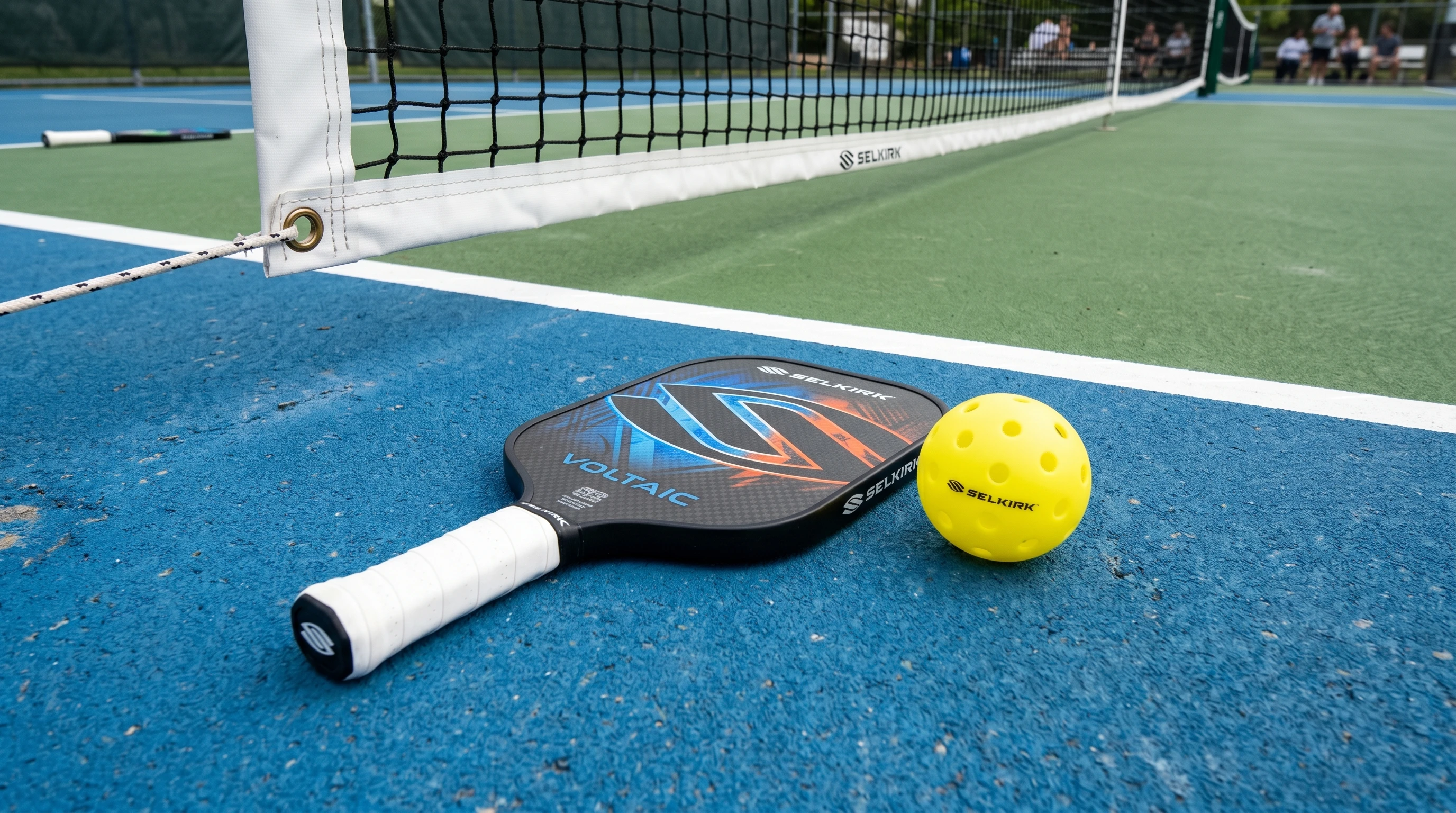
To see more high‑end gear, check out our full Luxury Pickleball Collections.
Key Elements of a Great Dink
There are a few main things to focus on when working on your dinking game if you already know the basics:
- Height Control: The lower you keep the ball over the net (without hitting the tape), the tougher it is for your opponent to counterattack.
- Spin Variation: Adding a bit of backspin or sidespin can keep your opponent off balance.
- Angle Creation: Using sharp angles stretches your opponent wide and opens up the court for put-aways.
- Unpredictable Placement: Mix up your targets, hitting to the middle, at their weaker side, or deep in the kitchen.
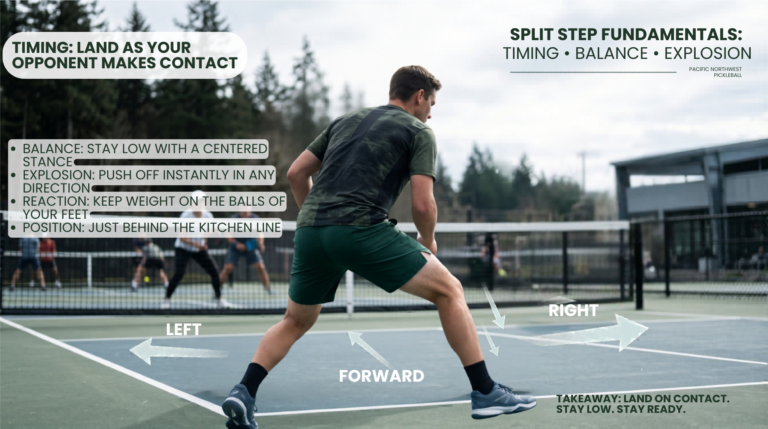
- Footwork: Good dinking happens from a balanced, athletic stance. Smooth movement helps you reach tough balls while staying ready for the next shot.
Mastering the Dink Shot
If you want a clear Pickleball Paddle Breakdown, this section walks through every key feature.
Trade Secrets for the Perfect Dink Shot
Once you’re playing stronger competition, you’ll notice that textbook dinks aren’t always enough. Here are some cool techniques I’ve found super useful:
- Crosscourt Dinks: Dinking diagonally gives you more court to work with, increasing your margin for error, and pulls your opponent off the court. This sets up attacks for your partner or yourself.
- Dinking to the Person’s Backhand: Most players have a weaker backhand. Target their backhand side and watch for opportunities to get a popup or a weak return.
- Changing Pace: Mix up the speed. Use mostly soft dinks, then sneak in a slightly firmer one to catch your opponent off guard.
- Deceptive Body Positioning: Try setting up like you’ll dink one direction, then flick your wrist at the last second. This keeps your intentions hidden and makes your opponent hesitate.
- Using Spin to Disrupt: Add sidespin so the ball kicks away after the bounce. Some players have a hard time reading or adjusting to spin under pressure.
Building Confidence in Your Perfect Dink Shot
Executing the perfect dink shot when the score is close isn’t as easy as it sounds. Sometimes nerves creep in, or your opponent keeps sending you tough balls. Here’s what’s helped me stay cool:
- Consistent Practice: Drill dinking in practice with intention. Focus on pace, depth, and variety so you don’t second guess yourself in a big match.
- Play Minigames: Try games where only dinks are allowed—this forces you to think creatively and stay engaged at the kitchen.
- Breathe and Reset: If you make a mistake, reset and focus on the next shot instead of dwelling on errors.
- Trust Your Mechanics: If you’ve practiced enough, your muscle memory will take over. Just let your body do its thing.
Common Dinking Mistakes and Fixes
Even advanced players fall into patterns or make dinking mistakes. Here are a few issues I see a lot, along with ways to address them:
- Hitting Dinks Too High: Usually this happens when you flick your wrist too aggressively or don’t get low enough. Try bending your knees so you can almost brush under the ball gently.
- Leaning Over the Kitchen: It’s tempting to reach for a dink, but if you let your momentum drag you into the kitchen, you risk a fault. Practice shuffling instead of lunging.
- Predictable Placement: If you’re always dinking to the same spot, advanced opponents will attack. Make a habit of moving the ball around, side to side and deep to shallow, to keep them guessing.
- Not Recovering Fast Enough: When you dink, immediately get back to a balanced ready position. Be ready for a counterattack or a speedup.
Situational Dinking: Adapting in the Kitchen
Advanced dinking is also about reading the game and adapting to different situations. Here’s how you can adjust based on who you’re playing and your current position:
- Playing Against Bangers: Slow, soft dinks force aggressive opponents to generate their own power, increasing their chance to miss.
- Facing Consistent Dinkers: When your opponent loves to dink all day, try changing up the spin or angle to break up their rhythm.
- Stacking and Switching: Sometimes you’ll play with partners who are much better at dinking from one side. Stack to put your stronger dinker in the right place during long dinking battles.
Advanced Drills for the Dink Game
If you want to be really sharp at the kitchen, drilling with focus is the way to go. A few drills I recommend when working on the advanced soft game:
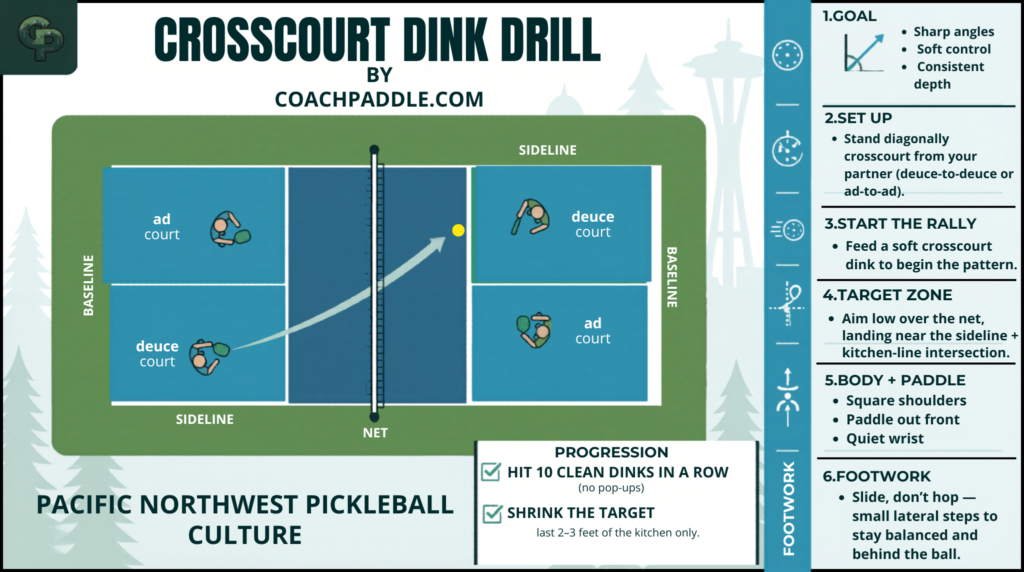
- Crosscourt Dink Drill: Stand diagonally and play controlled dinks crosscourt with your partner, focusing on low, sharp angles. Over time, this drill helps burn the right shot into your muscle memory.
- Third Shot Dink and Transition Drill: Practice dinking after running up from the baseline, so you work on footwork and touch at the same time. To push yourself further, have your partner mix in a lob or a speedup shot now and then.
- Spin Practice: Try alternating between regular dinks and dinks with sidespin, so you get comfortable handling and delivering different spins under pressure. As you improve, challenge yourself by increasing the pace or changing your grip slightly to add deception.
For added challenge, set up targets in the kitchen area and aim your dinks, mixing up your placement every few shots. This kind of focused practice makes your dinks more precise during real points. Team up with advanced players, as playing with stronger partners will expose you to tougher dinking situations and help you adapt on the fly.
Applying Dink Tactics in Real Games
A lot of advanced dink work doesn’t fully come together until you’re playing real matches. When you’re in a tournament or competitive rec play, pay close attention to a few things:
- Watch Opponent Movement: Notice if a player struggles moving to one direction, and aim your dinks there to take advantage.
- Look for Fatigue: Long dink rallies wear players down. If you see your opponent’s focus dropping, keep the soft game going to force more errors.
- Mix Up Timing: Change how quickly you play your dink. Sometimes the surprise is in holding the ball a touch longer between your dinks.
Also, always keep your eyes open for chances to move in and attack off a high dink or an obvious mistake. Good court awareness during real gameplay can make your advanced dink tactics even more dangerous and effective.
Frequently Asked Questions
Here are some common questions I hear from strong pickleball players looking to level up their dinking:
Question: What’s the biggest difference between intermediate and advanced dinking?
Answer: At higher levels, it’s not just about keeping the ball low; it’s also about consistent placement, reading your opponent, and staying unpredictable with spins and angles.
Question: How do I handle players who always speed up off my dinks?
Answer: Mix up placement and vary your spin. If they’re always attacking crosscourt, try bumping a dink straight ahead or adding more spin to force a tougher counter.
Question: Should I always try to hit dinks close to the net?
Answer: Not always. Mixing your depth keeps your opponent from getting comfortable. Just avoid dinking too high or too deep, since those can turn into easy attacks for your opponent.
Practicing the Advanced Dink
The best way to build confidence with your advanced dinks is to practice them in real-time scenarios. Next time you’re drilling or playing rec games, focus on variety: angles, pace, spin, and especially your court awareness. With regular attention and by watching high-level matches (like pro pickleball streams or tournaments), you can track down even more creative ideas for keeping your dink game sharp and disruptive.
Building a reliable, versatile dink means you’ll have more control over rallies, frustrate aggressive attackers, and create more openings for easy points. The soft game is where great matches are won and lost, especially as you keep climbing the ranks.
For official guidance on rules and standards, you can always check the USA Pickleball Official Rules