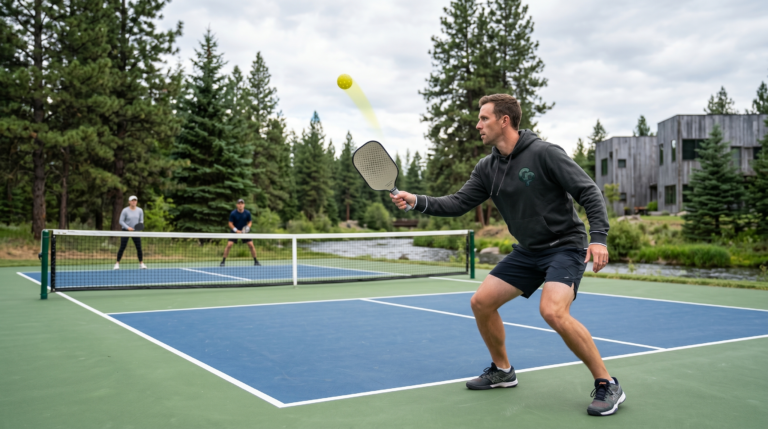
Pickleball Dinking Drills are the fastest way to build control, touch, and consistency at the kitchen line. Whether you’re a beginner learning soft hands or an advanced player sharpening precision, these drills help you stay patient, win longer rallies, and force opponents into mistakes. Below are the most effective Pickleball Dinking Drills you can add to your training routine today.
Why Practicing Dinking Is Super Important in Pickleball
Dinking might look basic, but it’s actually at the heart of the strategy in doubles pickleball. The main goal is to stay in rallies, give yourself time to react, and force mistakes from your opponents without swinging for quick winners. Volleys above the net can get slammed back, so dinking helps keep play low—and that’s where it’s much tougher to attack effectively.
In recreational and competitive play, I’ve seen games completely shift when teams rely on solid Pickleball Dinking Drills to stay patient during long exchanges. The rally slows, players settle in, and eventually someone pops up a shot for an easy put‑away. Practicing these dinking drills until they feel natural is something I recommend to anyone wanting to improve, whether you’re just starting out or you’ve been playing for years.
The kitchen (or non-volley zone) is unique in pickleball. Being able to reliably place dinks into that 7-foot area can keep your opponents far away from their power shots, giving you control of the rhythm of the point and setting you up for easier finishes.
For a full breakdown of how these paddles stack up, see our detailed Selkirk Omni vs Boomstick comparison.
Getting Started: What You Need for Dinking Drills
Dinking doesn’t require fancy gear or expensive equipment. Here’s what I always bring for a solid dinking session:
- Paddle and Ball: Any standard pickleball paddle and balls will work. Indoor or outdoor balls are both good—practice with what you’ll play matches with.
- Net or Divider: A real net is best, but at home, a portable net or a makeshift barrier works great for solo drills.
- Partner: Practice buddies make sessions more fun and productive, but solo drills still help you up your game.
- Target Cones or Markers: Use markers so you can aim your dinks for accuracy, which is a huge part of dinking success.
Many pickleball clubs appreciate when you use their courts in off-hours, and cones or colored tape serve as inexpensive targets for drills.
Key Dinking Drills to Level Up Your Soft Game
Practicing dinks is about building touch, control, and the confidence to stay strong in those long exchanges. Let’s check out some drills that can fit into any warm-up or practice session.
1. Straight Across Dink Rally
Stand across from your partner at the kitchen line. Tap the ball gently back and forth, aiming to land it in your partner’s non-volley zone. Focus on being consistent, keeping shots low, and building muscle memory for relaxed, smooth dinks. Start slow, then speed up as you get more comfortable.
- Tip: Shoot for 50 dinks in a row. If you miss, start over and see if you can beat your old record next time.
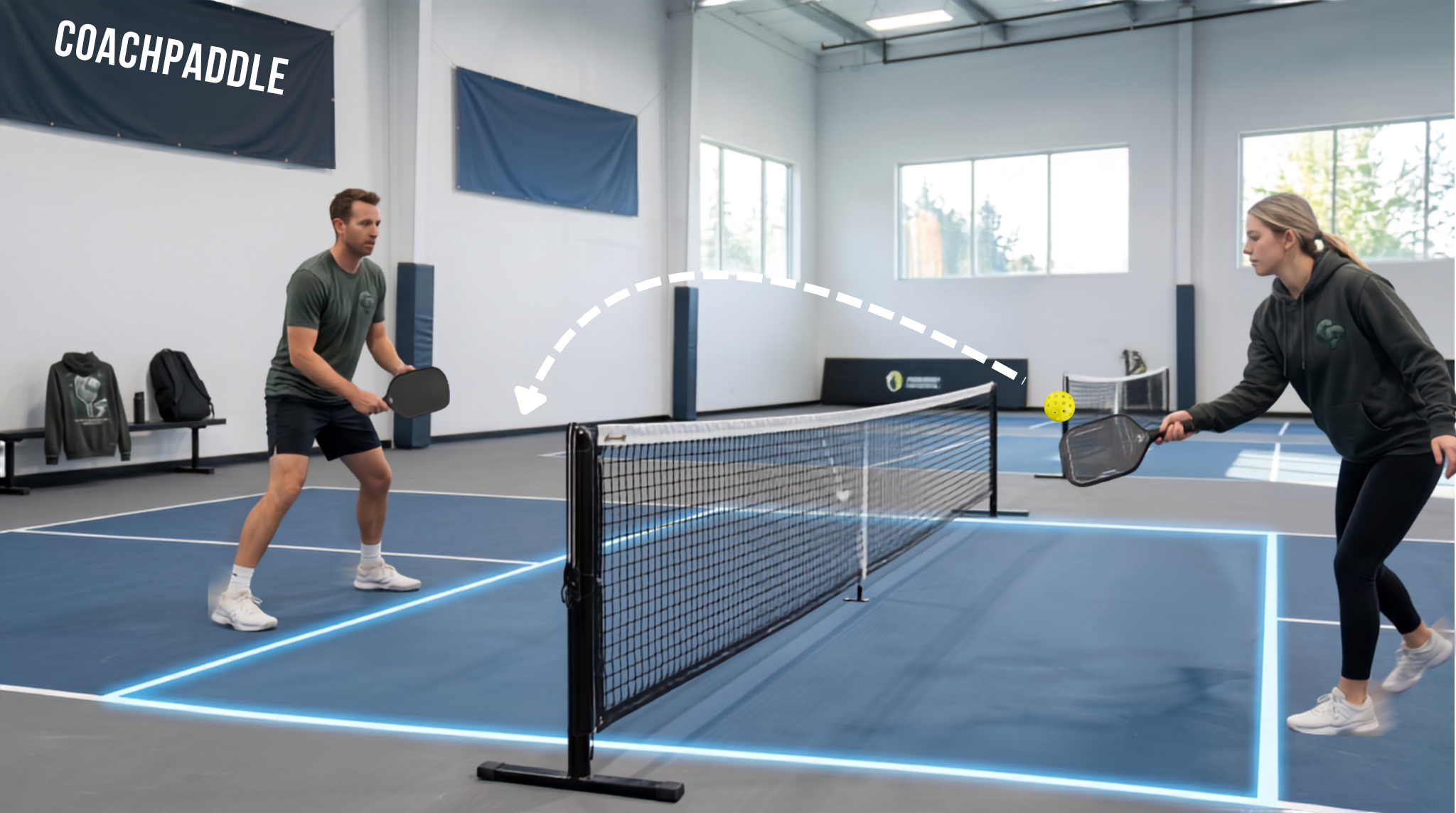
2. Crosscourt Dink Battle
This drill focuses on hitting diagonally, from one kitchen corner to the other. A crosscourt dink gives you extra distance and forgiveness since the net is a little lower in the center, and your opponent has to move laterally. Aim for the kitchen’s back corner, just inside the sideline.
- Tip: Set a cone on the back kitchen corner and see how many times you can land your dink within a paddle’s width of your mark.
3. Around the Post Dink Practice
Advanced players often attempt around the post (ATP) dinks when the angle is just right. Set up near the sideline with your partner and practice sending dinks wide enough to get the ball outside the net post. Even if you don’t get it every time, practicing this adds unique challenges and helps diversify your dinking skills.
4. Moving Dink Drill
With your partner, alternate hitting dinks to the forehand and backhand, shuffling along the kitchen line. The moving dink drill helps you practice steady footwork, staying balanced, and resetting your paddle for continuous control of the ball.
- Tip: Keep your feet quick and stay light. Instead of reaching or lunging, slide along the line and be ready to respond to each shot.
5. Dink and Drop Drill
Start dinking at the kitchen line, and after several exchanges, one player tosses in a slightly deeper drop shot that still lands in the nonvolley zone. This simulates real-match situations where you want to hide drop shots among your regular dinks to surprise your opponent and open up opportunities to attack.
6. Solo Wall Dinking
If you’re practicing solo, use a wall. Stand close and tap the ball softly, aiming for consistent height and control in a small area. Try sending some shots directly and others off to the side to mimic crosscourt play. This helps your touch and reflexes, preparing you for game day.
Level up your soft‑game control with our full guide on Topspin Dinks Drills to add spin, shape, and pressure at the kitchen line.
Common Dinking Mistakes and How to Adjust
Even experienced players sometimes pop the ball up, flick their wrist, or chase the win too early. Here’s what most beginners (myself included, at first) struggle with and how to fix it:
- Too Much Wrist: Quiet your wrist; using mostly your shoulder and elbow produces soft, accurate dinks.
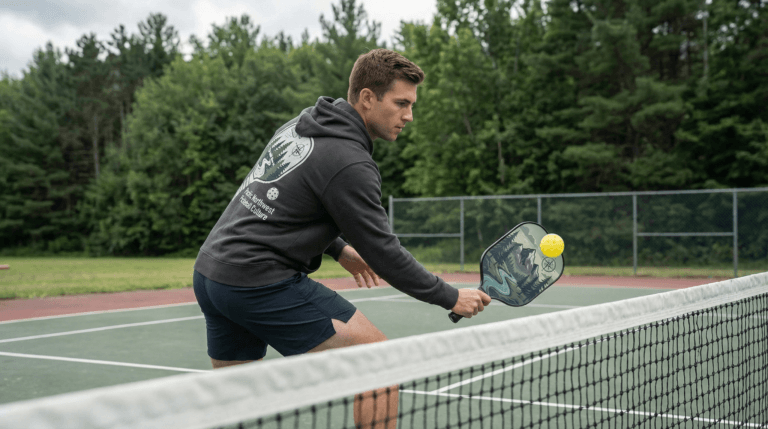
- Ball Pops Up: Brush beneath the ball and move your paddle up and forward in one fluid motion to keep shots lower over the net.
- Standing Straight: Many forget to bend their knees. Keep a low and balanced stance for better reach and quicker reactions.
- Losing Patience: Enduring long dink exchanges is tough. Practice shifting your mindset so you value patience and only attack when the shot is truly there.
Take a little time at the end of each session to run through these corrections—they pay off quickly, especially under pressure.
Fine Tuning: Advanced Dinking Techniques
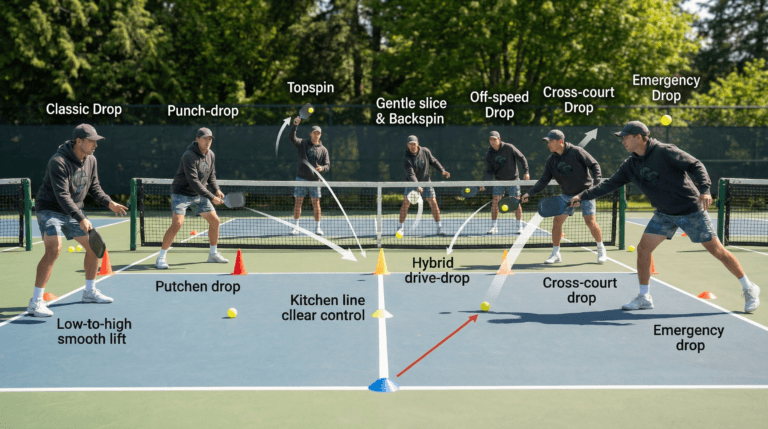
When your basic dinks feel automatic, it’s the perfect time to level up with Pickleball Dinking Drills that add more challenge and creativity. Mixing in new spins, sharper placements, and subtle disguises keeps your dinks unpredictable and forces tougher decisions from your opponents.
These advanced Pickleball Dinking Drills turn routine rallies into pressure situations you control. By layering variations into your training, you make every exchange harder to read and easier to win. Here’s what I add to my advanced Pickleball Dinking Drills:
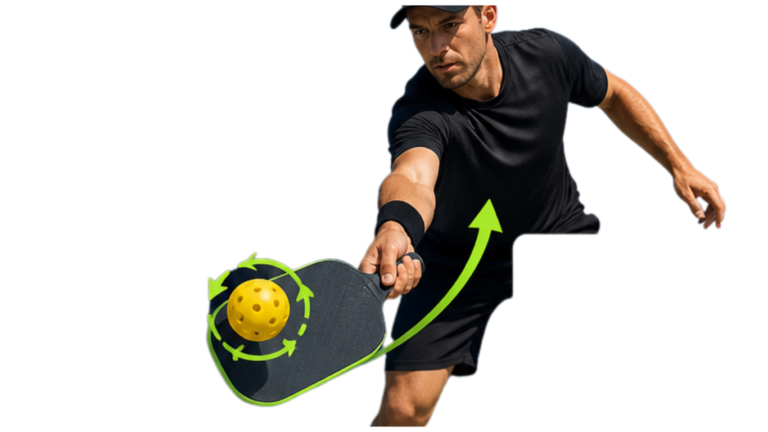
- Topspin Dinks: Brush upward and forward at contact. Gaining a little topspin takes practice but makes your shot dip faster, mixing up your opponent’s timing.
- Backspin or Slice Dinks: Use a gentle, slicing motion under the ball. The ball stays lower and can skid when it bounces, forcing awkward replies.
- No Look or Disguised Dinks: By facing one direction and shifting your paddle angle last-second, you’ll keep opponents guessing. Subtle eye changes and tactical paddle movement go a long way.
- Dink Volleys: Volley dinks out of the air whenever possible. You won’t always have to let them bounce, plus this adds pressure and shortens tough rallies in your favor.
I suggest picking one advanced dink and blending it into your routine for a week or two, then see how it feels in real play. This keeps you improving and your style fresh.
Extra Tips: What to Know Before Spending Hours on Dinking Drills
Staying motivated during drills is a lot easier with a partner and some variety. Here’s what I’ve found helpful:
- Warm up before dinks with some groundstrokes and simple volleys—loose muscles lead to better feel and touch.
- Film your practice sometimes so you can actually see your mechanics and where improvements are needed.
- Keep drills short and focused: Ten to fifteen minute blocks often lead to better progress than hourlong, unfocused sessions.
- Set goals for your sessions—count consecutive dinks, try to hit targets, or play to see who can stay in the rally longest.
Switching up these little details keeps things interesting and drives real improvement over time.
To sharpen your technique even further, check out our guide on Pickleball Backhand Strategies for power, control, and consistency.
Quick FAQ: Pickleball Dinking Drills and Common Questions
How often should I practice dinking?
Even just 10 to 15 minutes a few times per week makes a huge difference. Regular, brief practice beats marathon sessions every time.
Can I practice dinking solo?
Absolutely! Wall drills, target practices, and mindful reps are great solo. Just make sure every stroke is intentional and focused.
What should I do if my opponent keeps attacking my dinks?
Try aiming more toward their backhand, keep the ball a bit shorter, and add spins occasionally. Mixing up your length and angle will make it harder for them to attack your shots with power.
Taking Your Pickleball Dinking to the Next Level
Dinking drills are some of the biggest game‑changers for anyone aiming to compete at a higher level. The more you polish your soft game, the more options you have when rallies get tight. You might not score on every point at the net, but you’ll definitely stop giving easy ones away.
Stick with the process, stay patient, and see how creative you can get with your dinking routines. The results will show up on the court — cleaner points, fewer errors, and a more confident, competitive game.
For official paddle specifications, visit USA Pickleball’s equipment standards.