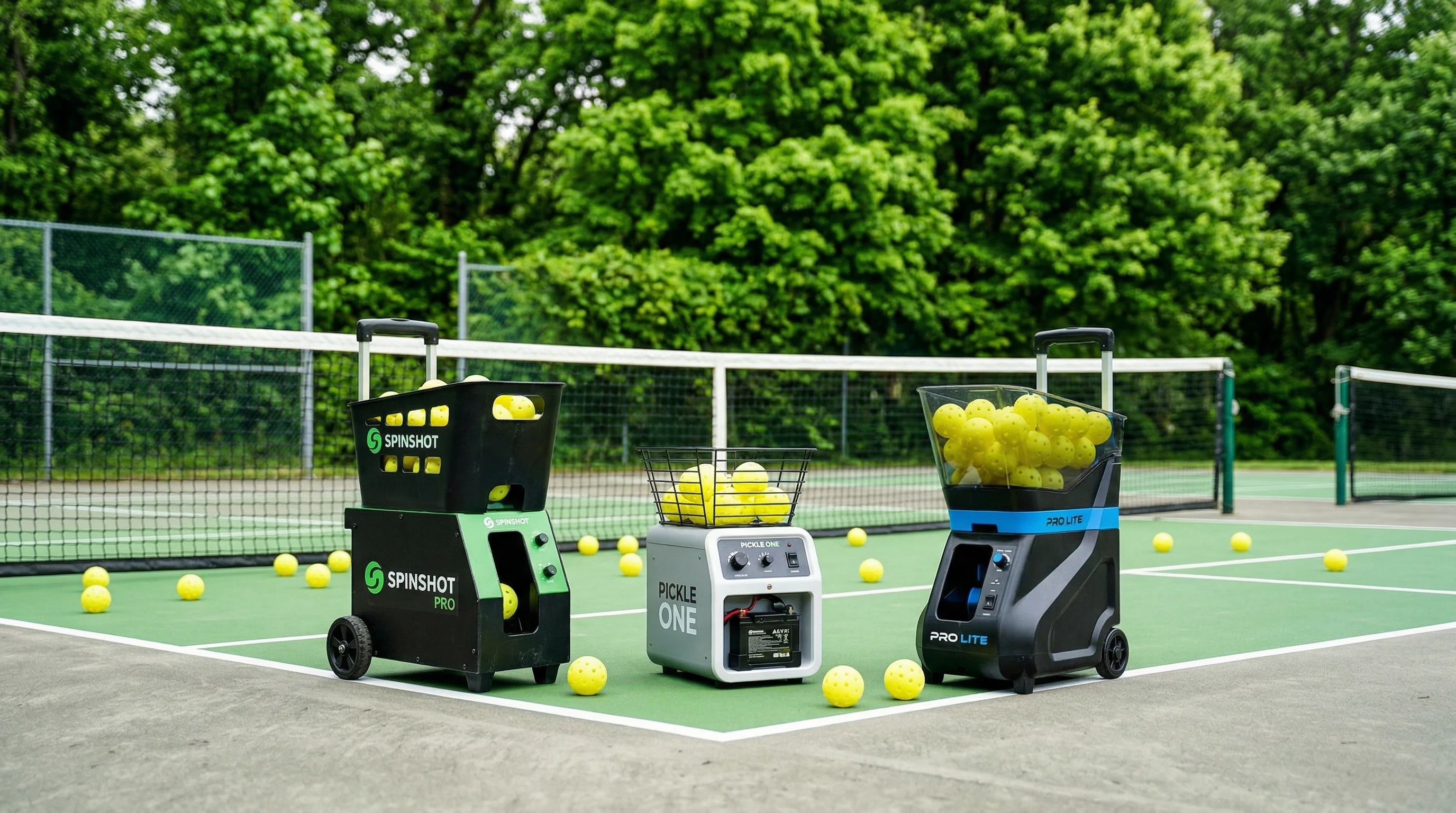
 As someone who loves playing pickleball but doesn’t always have a partner to practice with, I know just how helpful a portable pickleball machine can be. These machines make solo practice easier, letting me work on my shots, reaction time, and consistency whenever I want. For anyone serious about getting better or just wanting more convenient practice at different locations, the right portable pickleball machine can really make a difference.
Finding the best portable pickleball machine depends on what matters most to you. Maybe it’s battery life, weight, ball feed speed, or how quickly you can set everything up when you’re on the go. With so many options out there, it’s easy to get confused or overwhelmed by technical specs. I’ve done the research and tried a few myself, so I’ve pulled together what I think are the most helpful tips, machine features to look for, and a few top picks that could fit different needs and budgets.
This article covers what to consider before buying, the primary features of the best machines, a quick review of standout models, and answers to some of the biggest questions about portable pickleball machines. If you want to step up your training even when you’re on your own, you’ll find what you need right here. Let’s get into the details and see which machine could be the right fit for you.
Why Use a Portable Pickleball Machine?
Having my own portable pickleball machine means I can practice at my local park, in my backyard, or even take it along on vacation. These machines feed balls automatically, so I don’t have to rely on finding a practice partner. That lets me focus deeply on technique or work on specific shots, like volleys, dinks, or lobs, at my own pace.
Portability is a game changer. I don’t have to lug around a bulky piece of equipment. Most portable machines are light enough to lift in and out of a car and small enough to store in a closet. This convenience makes it easy for me to include more practice sessions in my week, which really gives a boost to skill development.
Another big benefit is the flexibility of practice. Having a machine with me means I can fit in quick drills when I get a spare half hour, whether at home or while traveling. As pickleball continues to gain popularity, I’ve noticed more people bringing their machines to parks and local courts, making solo play even more accessible.
Top Features That Matter for Portable Pickleball Machines
Every time I shop for gear, I pay close attention to the specs and features. Not all portable pickleball machines are the same, so here are the aspects I check to make sure a model fits my real practice needs.
Weight and Size
- Lightweight build: Anything under 35 pounds is considered easy enough for one person to carry.
- Compact design: The smaller the machine, the less trunk or storage space it takes up.
Power Options
- Rechargeable battery: Most portable models work on battery, so I don’t have to search for outlets at the park.
- Long battery life: I look for machines that offer at least 2 to 4 hours of use per charge.
Shot Adjustability
- Variable feed rate: This lets me set ball delivery from slow to fast to match my skill level.
- Oscillation: Some machines offer sidetoside or random oscillation for a more realistic practice.
- Spin control: The ability to practice against topspin or backspin keeps me challenged and helps me adapt to real games.
Capacity
- Ball hopper size: Machines that hold 80 to 135 balls give me longer uninterrupted rallies before needing to reload.
For anyone who values ease of setup and reliability, these are the features I always look out for. If a machine lacks one of these, I usually move on to the next option.
Some other features I consider are remote control options and speed adjustments. Many newer models offer wireless remote controls or smartphone app compatibility, allowing users to adjust ball speed or pause the machine without walking over to it. It’s a small touch, but it can make practice sessions much smoother.
Best Portable Pickleball Machines: Quick Reviews
Here are three portable machines that I’ve found stand out for different reasons. I picked them based on hands-on experience, recommendations from fellow players, and online reviews from trusted sources like PickleballCentral and manufacturer sites.
1. Tutor Mini Pickleball Machine
- Weighs only 24 pounds (easy for me to transport by myself).
- Holds up to 55 balls at a time.
- Rechargeable battery provides up to 3 hours of use.
- Ball speeds range from 10 to 50 mph, making it suitable for beginners and more advanced players.
- Offers a simple dial setup; no confusing menus or screens.
This model is great for anyone who puts convenience first. It’s userfriendly, doesn’t take up much space, and is affordable compared to larger machines. I’ve recommended this model to newcomers who want to get used to the game quickly, and they always mention the simplicity and easy setup as major pluses.
2. Spinshot Pickleball Machine
- Weighs around 42 pounds (still portable, though best with wheels; these are included).
- Holds up to 120 balls.
- Battery or AC power options for flexibility when I’m practicing on public or private courts.
- Fully programmable with oscillation, spin, and height adjustments via an app.
- Allows custom drills—really handy for advanced training and mixing up your routine.
The Spinshot is perfect for players like me who want full control over every detail of their practice session. It’s a little heavier but offers more advanced features and drill customization. For those who like to track progress by setting up different drills, the app-based remote control is especially useful. You can change settings for speed, spin, and direction on the fly—no need to run across the court.
3. Simon X Pickleball Throwing Machine
- Weighs 32 pounds (still fits in most car trunks).
- Huge capacity; holds up to 120 pickleballs.
- Runs for up to 10 hours per battery charge, which is next-level cool for extended practice or coaching sessions.
- Spin, varied speed, and oscillation all included.
- Metal construction is really durable, even with regular travel.
I recommend this one to anyone who needs extra battery life—maybe coaches or folks who host club practices. It’s not the cheapest, but the durability and features are a good value if you use the machine often. The fact it can easily get through an entire tournament day or training camp without recharging really sets it apart.
How to Pick the Right Portable Pickleball Machine for You
My main tip: think about your goals first. Are you looking for something super simple and affordable, or do you want professionalgrade features for advanced practice? The more portable the machine, the easier it is to bring along to any court, which is really important for spontaneous practice.
- If you’re a beginner: A lightweight machine with basic feed and speed settings will save money and let you get practicing quickly. Simpler models mean less time adjusting settings and more time working on fundamentals.
- If you’re more advanced: Go for machines that have adjustable oscillation, programmable drills, and spin controls so you can simulate match conditions. These features help you prepare for all sorts of realgame scenarios.
- If you travel often: Battery life, weight, and ease of setup will matter most so you don’t waste time or energy moving equipment. Some machines have telescoping handles and wheels to make transport even simpler.
Every machine has pros and cons, but I always read several reviews and check the warranty before making a final call. Reliable customer support can also be really important if you travel and something breaks on the road. Some brands offer quick-turnaround repairs or even loaner units, which can be a lifesaver during busy pickleball seasons.
Common Questions About Portable Pickleball Machines
Are these machines difficult to set up?
Most portable pickleball machines are ready to go after filling the hopper, adjusting the speed, and powering them up. I usually have mine set up in two or three minutes. Some models include quickstart guides or video tutorials to help you learn all the basics fast.
Do all machines work with standard pickleballs?
Most do, but I always check the specs. Certain machines work best with particular ball brands or sizes, but almost all cover standard outdoor and indoor pickleballs. When testing new balls, I do a quick check by running a few through at lower speeds to see how they feed.
How do you maintain a pickleball machine?
After each session, I wipe it down, check for jammed balls, and recharge the battery promptly. Every few weeks, I clean the ball feeder and make sure the mechanics are free of dust and grit. Simple upkeep goes a long way in keeping any portable machine working smoothly. Also, storing your machine in a dry, clean place keeps it in top shape. Regular care means more reliable practice every session.
Can kids or beginners use these machines safely?
Absolutely. Most portable machines allow you to set lower ball speeds and adjust the height, making them beginnerfriendly. Always supervise younger players and remind them to stand clear of the machine while it’s running for extra safety.
Is the investment worth it for casual players?
If you enjoy frequent solo practice, want to build consistency, or simply don’t always have a playing partner, a portable machine can really take your game up a notch. The convenience and skill improvement are worth it even for intermediate or recreational players, especially if you share the machine with family or teammates.
Final Takeaway
Having a portable pickleball machine gives me complete control over my practice and helps keep my skills sharp without relying on others. Whether you’re just starting or aiming for advanced drills, there’s a model that fits your needs and lifestyle. Focusing on portability, reliability, and key features will help you get the most out of your practice time, anywhere you play. Ultimately, investing in one of these machines is a smart move for anyone looking to keep improving on their own schedule and making pickleball a bigger part of their adventure.


Leave a Reply