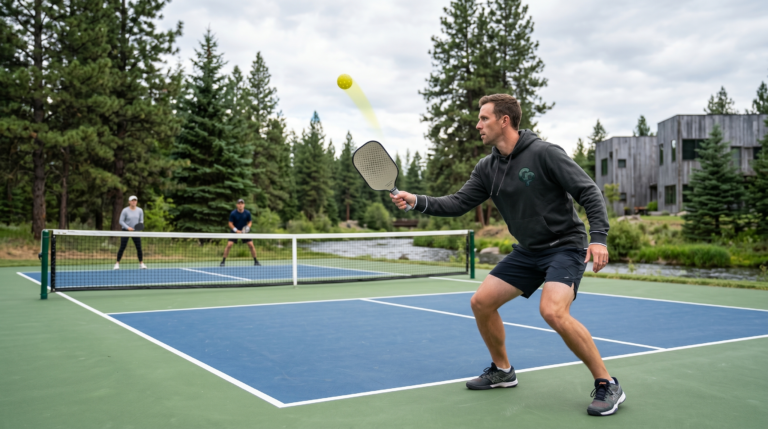
Volleys are one of the fastest ways to take control of a point in pickleball, especially when the game speeds up at the kitchen line. Whether you’re building confidence as an intermediate player or tightening up your technique for more consistent exchanges, learning how to improve volley in pickleball can instantly elevate your all‑around game. With the right positioning, compact mechanics, and simple practice habits, your volleys become cleaner, quicker, and far more effective during fast‑paced rallies.
What Makes a Good Volley in Pickleball?
A good volley in pickleball is all about control and quick movement. Unlike groundstrokes, volleys are taken out of the air before the ball bounces, usually right up near the non‑volley zone. They help you keep the game fast, apply pressure, and make it harder for opponents to reset the rally. In this guide, you’ll learn how to improve volley in pickleball by understanding the mechanics, timing, and positioning that make your volleys more consistent and effective.
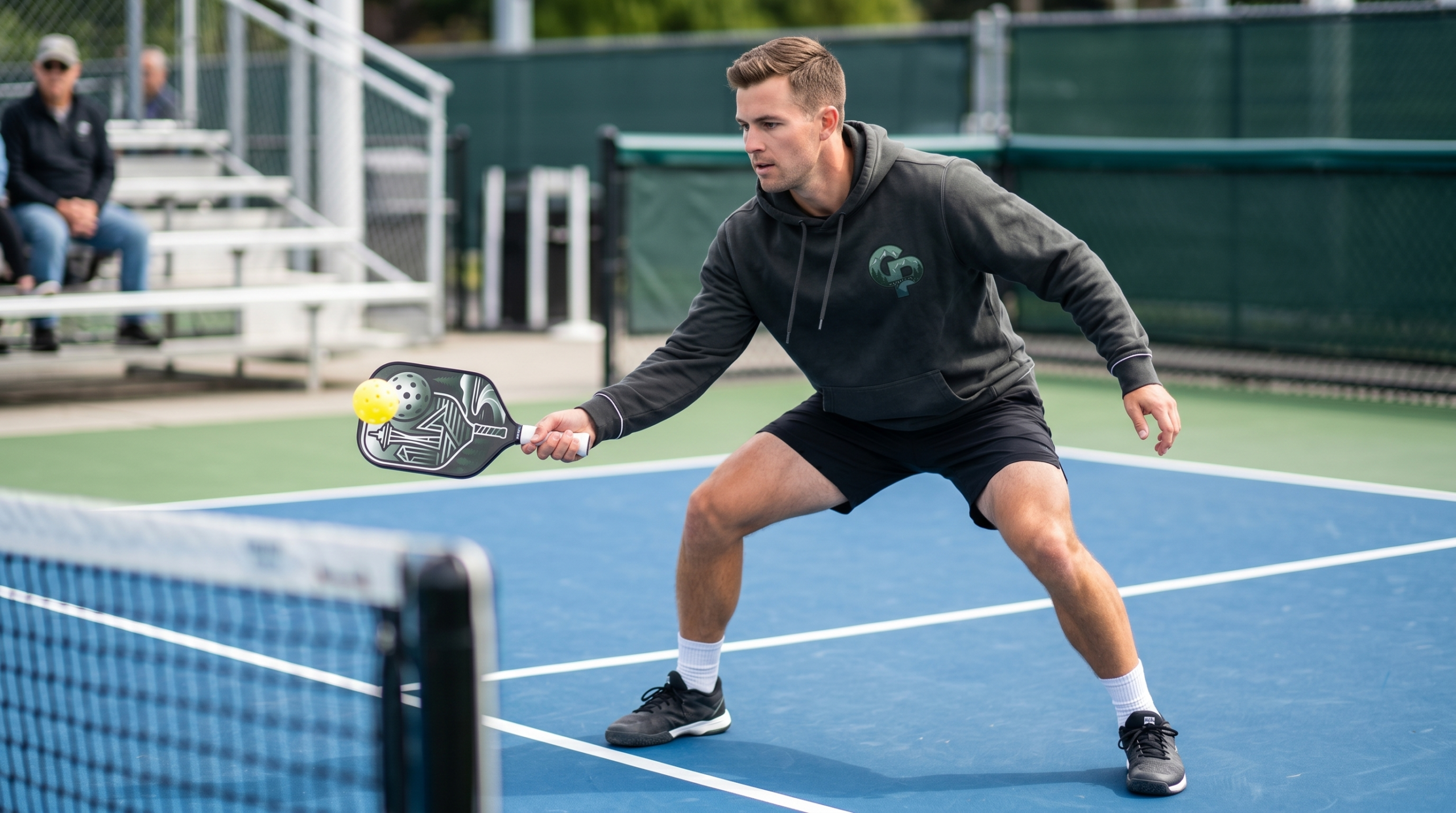
I’ve noticed that the best volley players tend to keep things simple. They stay balanced, use short swings, and keep their paddle up. You don’t have to smash every volley. Sometimes a soft touch works better, especially if you want to force your opponent out of position.
Getting the basics down is really important, so here’s how I break down a solid volley:
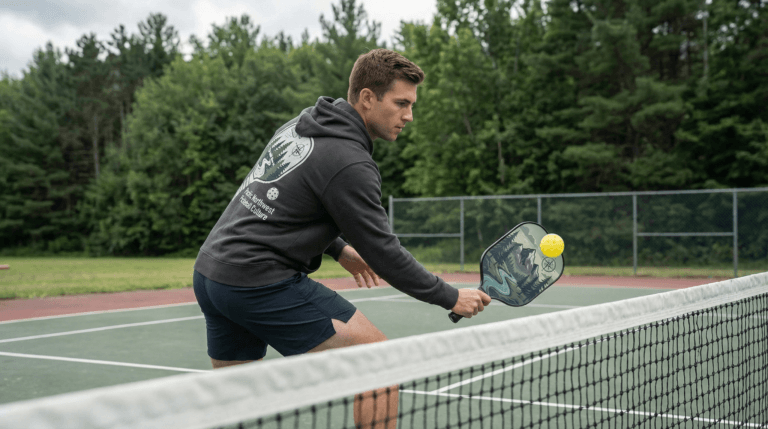
- Paddle Up: It’s easier to react quickly when your paddle is above your waist and in front of you.
- Compact Swing: Short, controlled movements help keep the ball in play and reduce errors.
- Light Grip: A more relaxed grip gives you better control and touch, especially for soft shots at the net.
- Good Ready Position: Stay on the balls of your feet with knees slightly bent, ready to shift side to side.
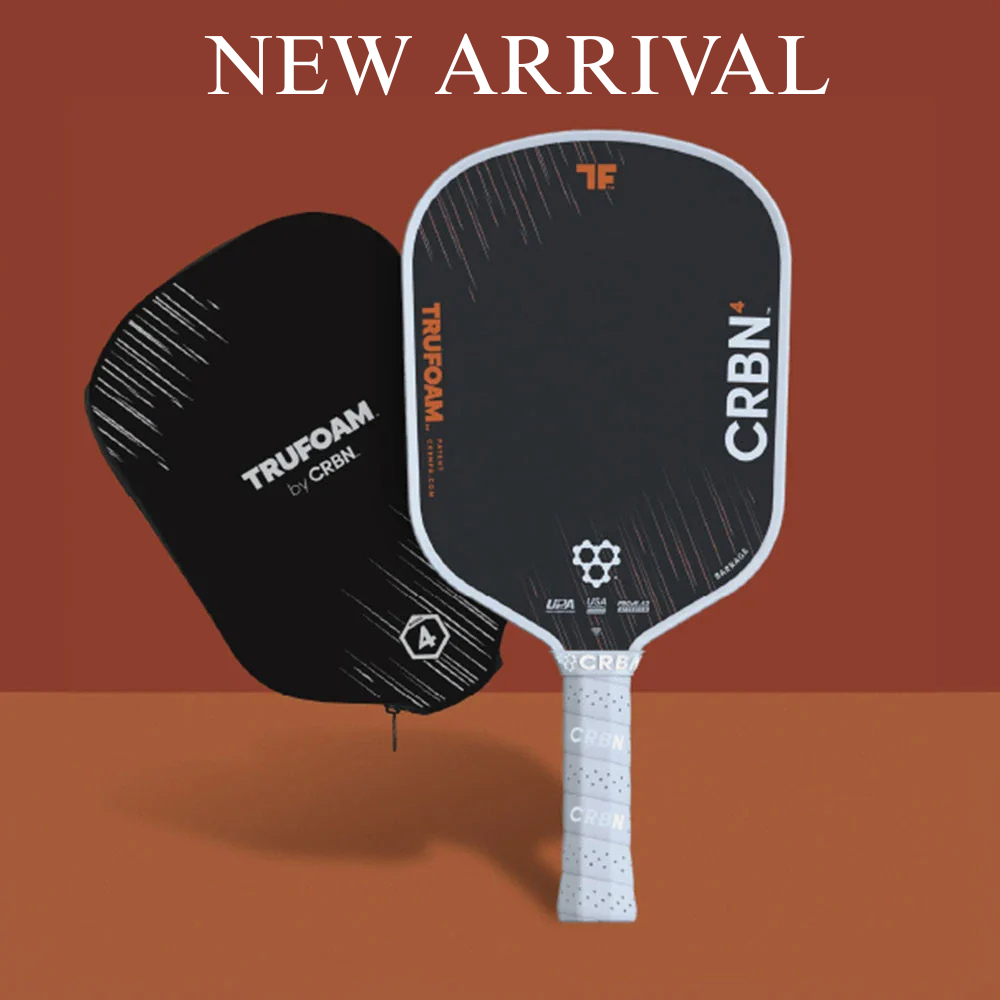
For a full breakdown of this year’s lineup, check out the Best CRBN Pickleball Paddle 2026 guide.
Building Your Volley Skills: How to Improve Volley in Pickleball
The best way to improve your volley is by repeating the right movements over and over until they become automatic. I find these drills pretty handy, whether you’re working with a partner or hitting against a wall.
- Wall Volleys: Stand five or six feet from a wall and volley the ball directly at it, trying to keep each contact consistent. Aim for ten in a row without losing control—focus on keeping your swing short.
- Partner Rapid Fire: Stand at the kitchen line across from a partner and volley quickly back and forth. Don’t aim for winners—work on reaction speed and consistency.
- Soft Hands Challenge: Practice “dinking in the air” by taking gentle volleys just over the net, using a softer grip. Drop volleys help with control and mix up your shots during real play.
- Reset Drills: Have a partner hit hard shots at you, then practice softening them with a controlled volley into the kitchen. This helps with defense and switching up from attack to reset mode in real games.
- Shadow Volleys: Without a ball, stand in your ready stance and mimic quick volleying motions. Focus on paddle position, footwork, and compact swings. This boosts muscle memory and can be added to your warm-up routine.
Volley Fundamentals in Pickleball
Limited time offer
Save Up to 20% Select paddle
10%
DISCOUNT
COACHPADDLE10
USE CODE:

CLICK HERE
Common Challenges and Easy Fixes
Even experienced players have volley problems sometimes. I’ve run into a few roadblocks, and these are the stuff that pops up most often:
- Popping Balls Up: This usually happens if you swing too hard or open your paddle face. Ease up on your swing and keep your paddle a bit closed to keep the ball low.
- Getting Jammed: Players sometimes stand too close to the net or crowd themselves, making it hard to react. Try to keep an arms length from the kitchen and move your feet, not just your arms.
- Stiff Movements: Gripping too tightly or locking your elbows can make volleys unpredictable. Relax your hands, keep elbows bent, and move your paddle from your shoulder to stay controlled and smooth.
- Slow Reactions: Not being ready for fast exchanges at the net can end rallies quickly. Always bring your paddle back to your ready position between shots. Even in friendly games, this habit pays off.
Paddle Up and Ready Position
If there’s one habit I push new players to nail down, it’s always keeping the paddle up and in front of your body. This makes a huge difference for reaction time and helps you avoid swinging late when volleys come in hot.
Soft Touch vs Finishing Volleys
Sometimes it’s tempting to just smack every volley hard. But in pickleball, knowing when to “reset” and when to go for a put away means you’ll win more points. Practicing both touch and power gives you more options in a match.
If you’re comparing top manufacturers, my guide on the Best 6 Paddle Brands 2026 breaks down the companies leading the market this year.
Gear Tweaks for Better Volley Control
While technique is king, using the right paddle can help you develop good volley habits, too. Here’s what I’ve learned about paddle features worth checking out for volleys:
- Grip Size: A grip that fits your hand (neither too big nor too small) helps with touch and soft shots. If you feel stiff or lose control easily, it might be worth experimenting with a different size.
- Paddle Weight: Lighter paddles make quick reaction volleys easier, while heavier paddles add power but not as much control. For learning control at the net, I lean toward lighter to medium weights.
- Paddle Shape: An elongated paddle gives more reach for volleys out wide. A wider paddle offers a bigger sweet spot, which is nice for beginners or anyone still working on timing and accuracy.
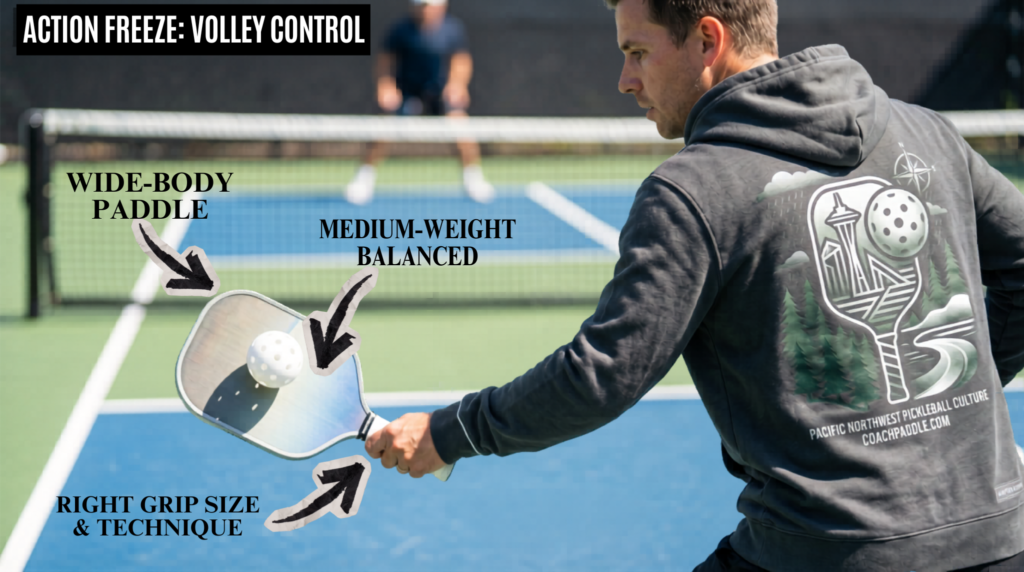
It’s also worth trying out a few paddles (maybe borrow from friends or local clubs) to find what feels best for your style. No single paddle works for everyone, so getting a handle that feels comfortable is super important.
Applying Volley Skills to Real Games
Bringing your volley practice into actual games is a great way to lock in your progress. During rec play or tournaments, here’s what I focus on for better volley results:
- Anticipate the Next Shot: Try reading your opponent’s paddle angle and feet to spot potential volleys early. Being proactive beats reacting late.
- Communication in Doubles: Talk to your partner about who covers the middle and who’s set up for put aways. Lack of communication leads to missed volleys and lost points.
- Confidence at the Net: Control the kitchen line by keeping your feet just behind it and holding your ground for volleys, especially when you’re attacking.
- Patience Pays Off: Don’t go for the winner with every volley. Sometimes keeping the ball in play and waiting for a better opening works way better than rushing the shot.
Another great idea is to watch top‑level matches or play with skilled players. Observing their footwork and paddle movements teaches you a lot about spacing, timing, and creative shot choices.
You’ll start picking up small tricks you can blend into your own game, and those details give your volleys a real boost. This kind of exposure is one of the easiest ways to understand how to improve volley in pickleball through real‑time examples.
Volley FAQ for Pickleball Players
I get a lot of the same questions when it comes to volley improvement. Here are a few that keep coming up, with practical tips based on what I’ve seen (and done wrong) myself.
Question: Why do my volleys keep going out of bounds?
Answer: Most of the time, volleys go long from swinging too big or hitting with an open paddle face. Shorten your swing and angle the face down slightly. Think “punch,” not “full swing.”
Question: How do I improve my reaction time for fast volley exchanges?
Answer: Practice rapid-fire volleys with a partner and always return to a “paddle up” ready position. Drills using soft balls or reaction balls can help, too.
Question: Is it okay to move into the kitchen during a volley?
Answer: You can’t volley while standing in the kitchen. Finish your volley, then step in if you need to play a ball that bounces. Practicing footwork at the net helps avoid foot faults while still being aggressive.
Question: Should I always hit volleys hard?
Answer: Not always! Mixing up soft and hard volleys keeps your opponents guessing and creates openings. Learn to “reset” tough shots and attack when you’ve got an easy setup.
How Volleys Fit Into Your All‑Around Pickleball Game
Strong volleys aren’t just for flashy highlights—they win the small, fast exchanges that decide real games. I see players take control with quick, controlled touches, and those tiny moments can swing momentum fast.
Becoming steady at the net comes from practicing regularly, mixing up speeds, and trusting your hands under pressure. With the right habits, you’ll quickly understand how to improve volley in pickleball and turn those fast exchanges into consistent advantages.
Keep the paddle up, stay light on your feet, and enjoy the challenge of every volley battle. Your confidence and skill will grow with every game.
For official paddle specifications, visit USA Pickleball’s equipment standards.