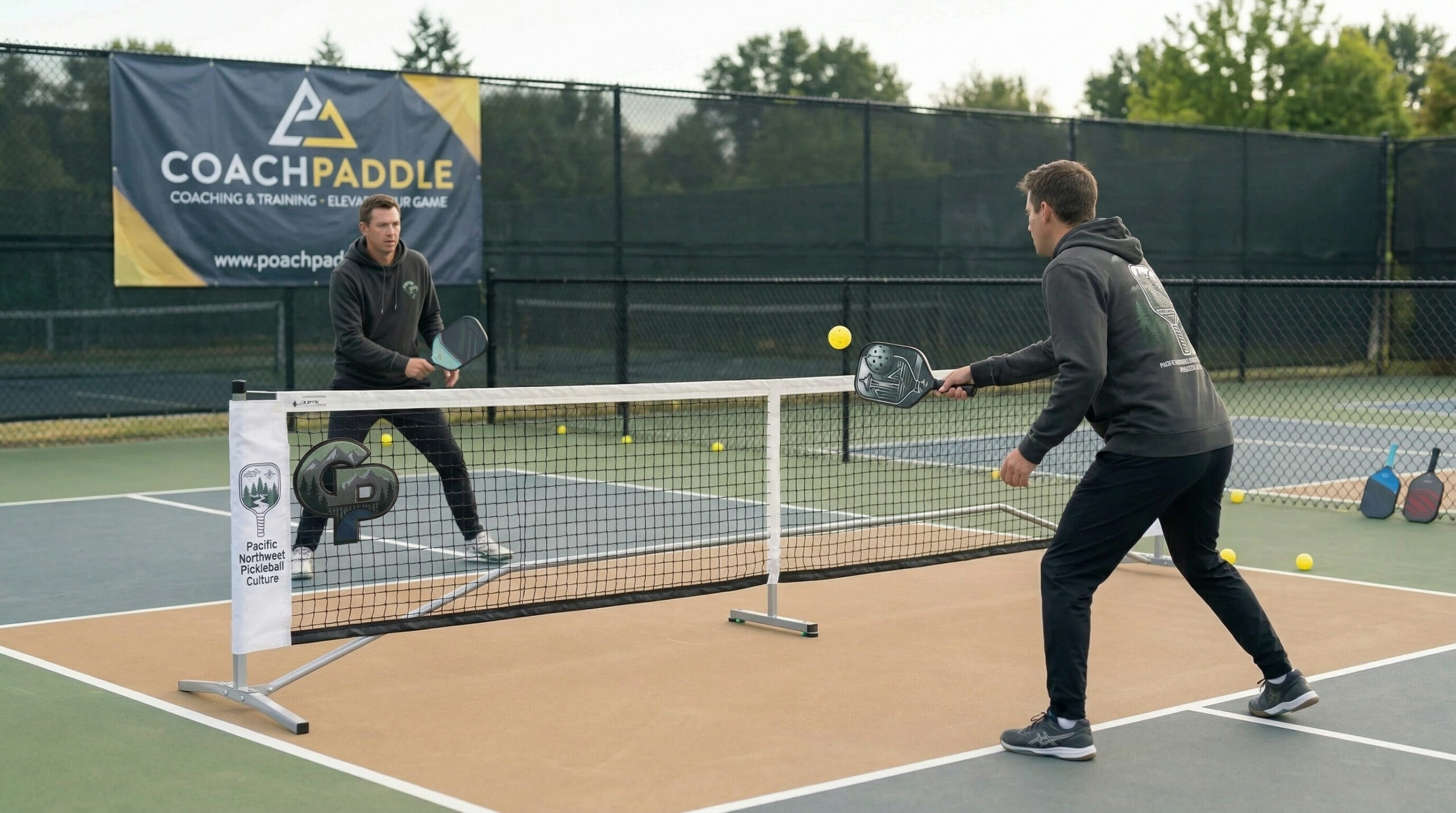
Pickleball cross‑court dinking guide is one of the most important skills for controlling the soft game and setting up winning points. In this guide, you’ll learn how to build consistency, shape the ball, and out‑maneuver opponents with smart, controlled dinks.
Why Pickleball Cross‑court Dinking Matters
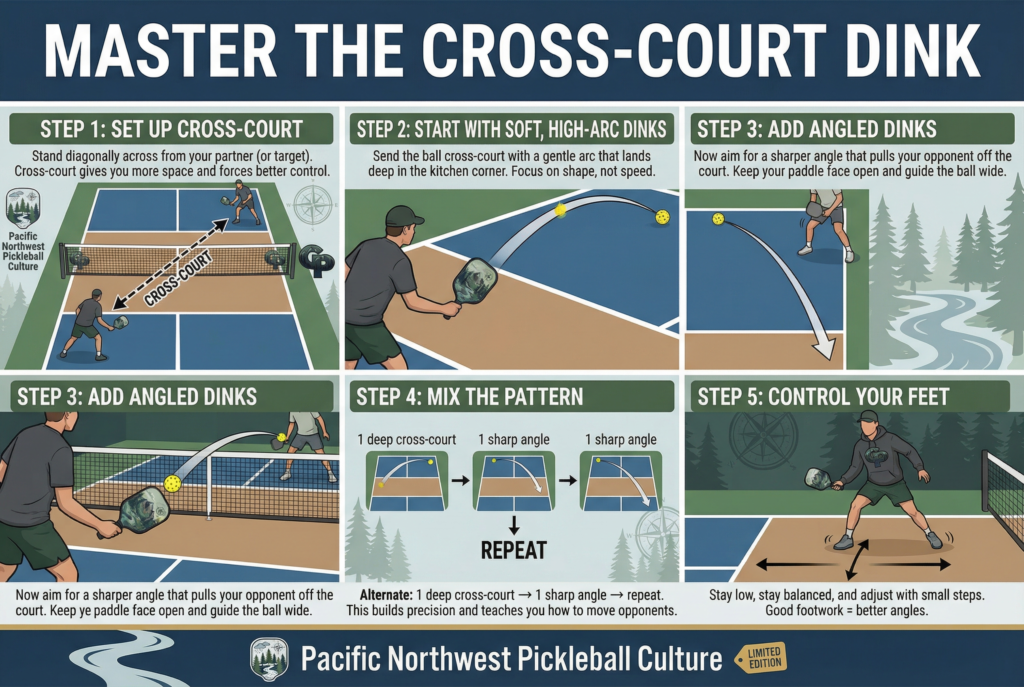
Crosscourt dinking is the bread and butter of soft‑game tactics in pickleball. It’s especially important at the no‑volley zone (NVZ), also called the kitchen line. A crosscourt dink is a diagonal shot from your kitchen to your opponent’s opposite kitchen. This angle gives you more distance to work with and a bigger margin for error.
This shot helps you push your opponent wide, potentially causing weak popups or forcing errors. It’s one of my go to tactics when a rally turns into a patient test of precision and footwork.
Pickleball has changed a lot, and fast net attacks are now common. That shift makes crosscourt dinking even more important. Players at every level use this technique to slow the game down and set up a winning shot.
Sure, power and speed look great, but a smart crosscourt dink can break down even the toughest bangers.
Learn the fundamentals in our full Pickleball Beginner Guide
Cross‑court Dinking Basics for Pickleball Players
Whether you’re new to pickleball or want to level up your soft game, crosscourt dinks are worth the effort. Here’s a quick rundown of the basics I focus on in every practice session.
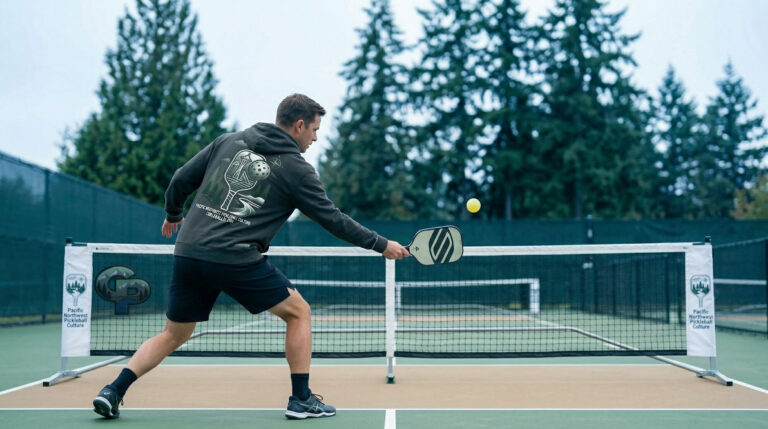
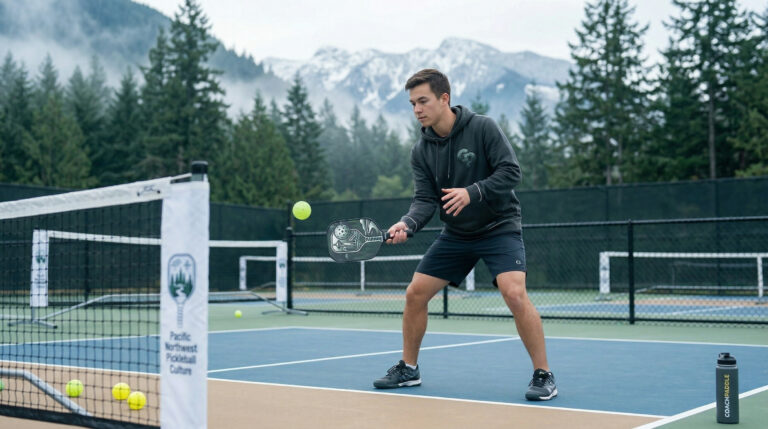
- Paddle Position: Keep your paddle out in front of you and close to the net. This helps with quick reactions and consistent soft contact.
- Grip Pressure: Loosen your grip—think of holding a small bird, not squeezing a hammer. Light grip lets you control the touch finesse needed for effective dinks.
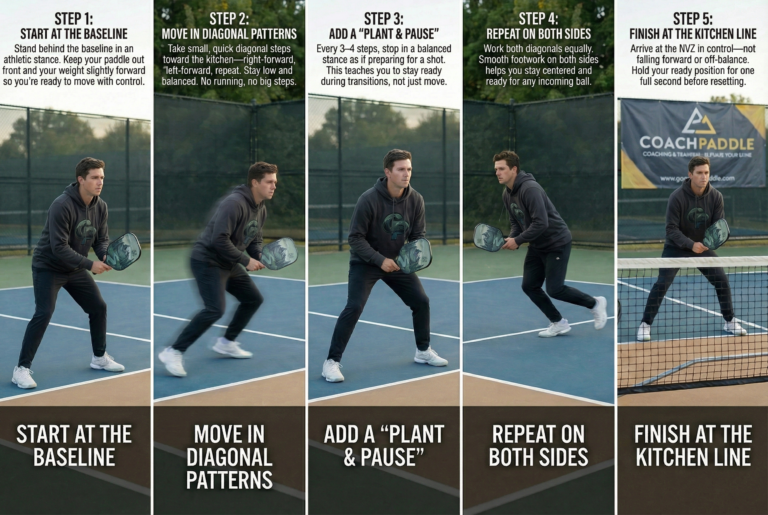
- Footwork: Stay low with your knees bent, weight balanced. Slide or shuffle to the ball instead of reaching or lunging, which helps you keep your body behind the shot.
- Target Area: Aim to drop the ball into your opponent’s diagonal kitchen corner, making them stretch and move.
This pickleball cross‑court dinking guide focuses on helping players use smart tactics to create openings and control the rally
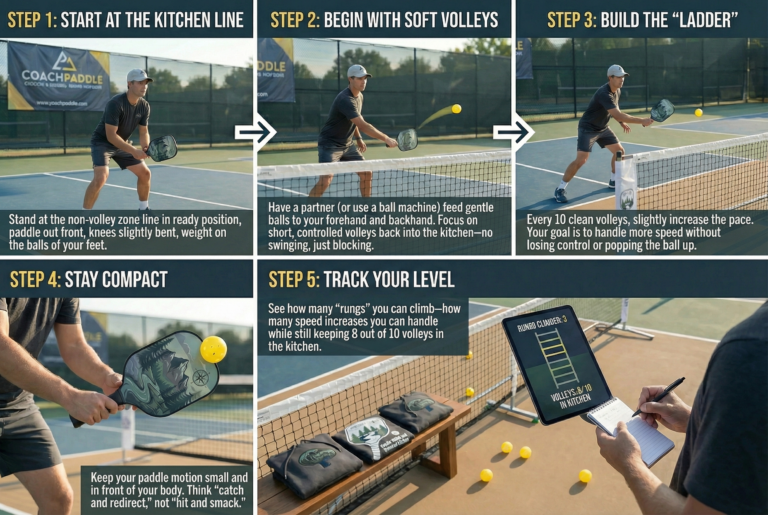
See my Pickleball Volley Control Drills for Beginners to build early touch and control.
How to Practice Cross‑court Dinking for Better Pickleball Control
Getting better at crosscourt dinking starts with the right drills. I always warm up with a partner just dinking crosscourt—no volleys, nothing elaborate, just focusing on height, depth, and direction. If you want to nail this skill, try these practice ideas:
- Shadow Dinking: Practice the swing motion without the ball, focusing on good form and body position. This really helps build muscle memory.
- Partner Crosscourt Rally: Stand diagonally across from a partner and see how many dinks in a row you can hit without missing or popping the ball up too high. Set a goal—like 25 in a row—and see if you can top it next time.
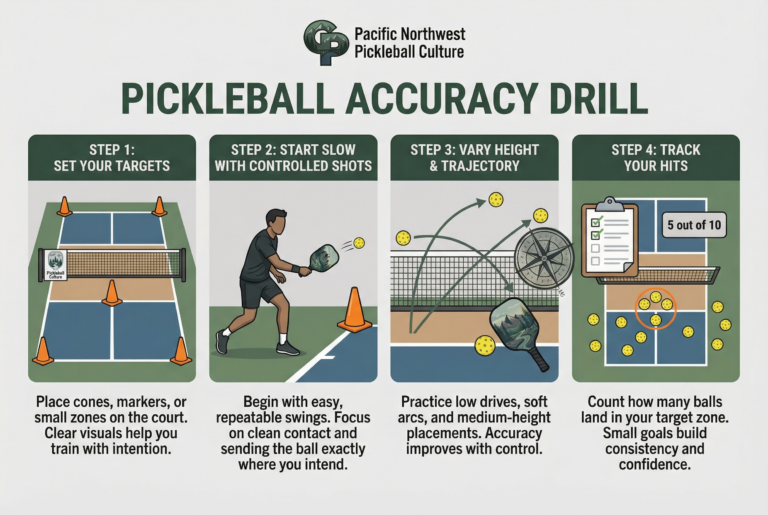
- Use Targets: Place cones, towels, or markers in the far corner of your opponent’s kitchen and try to land the ball close to those areas. This sharpens your aim to make dinks effective and precise.
- Lob and Recover: Occasionally mix in a soft lob and practice recovering back to the kitchen line; this comes in handy in real matches when the play turns unpredictable.
Practicing these drills regularly will make your crosscourt dink automatic, so you can rely on it during rallies without overthinking it or getting nervous under pressure.
Also, consider recording yourself or working with a coach if you want specific feedback on your progress—seeing your own technique can help you track down small adjustments that make a big difference.
Common Mistakes and How to Fix Them
I’ve made all sorts of mistakes learning crosscourt dinking, and so has pretty much every player. Here are the issues I see most often, and a few fixes for each:
- Hitting Too High: If you’re popping the ball up, check your grip pressure and wrist action; soften both, and make sure you’re swinging slightly upward, not flat or downward.
- Missing Wide or Into the Net: Focus on keeping your paddle face open and aiming for the center of your paddle. Don’t rush your motion; smooth and steady wins here.
- Standing Too Upright: If you find yourself off balance or reaching, bend your knees more. Being low gives you lots of control and helps you react quicker to low dinks from your opponent.
- Trying to Add Too Much Spin: For beginners, just focus on a consistent, controlled shot first. Once you’re consistent, you can experiment with adding slight underspin for extra control.
Consistent footwork and paddle control are essential parts of any pickleball cross‑court dinking guide, especially when you’re trying to move your opponent.
“Check out my Pickleball Accuracy Workouts for Beginners to sharpen your placement and control.”
Tactics: Using Crosscourt Dinks to Your Advantage
Crosscourt dinking isn’t just about keeping the ball in play; it’s also a smart way to create openings. Here are some tactics that have worked well for me:
- Move Your Opponent: A well-placed crosscourt dink forces your opponent to cover more court. If they’re slower on their feet or favor one side, keep targeting their weak area.
- Change Up Depth: Mix short dinks with slightly deeper ones. A short crosscourt dink draws your opponent forward; the next one pushed toward the baseline can catch them off guard.
- Mix in Middle Dinks: Not every dink has to be crosscourt! Occasionally drop a soft dink in the middle to throw off your opponent’s timing and make them cover more ground.
- Wait for the Attack: Use patient crosscourt dinking to set up a higher ball you can attack. When your opponent misses their footwork or pops up a dink, be ready to drive or smash.
If you play singles, crosscourt dinks are still valuable, but you’ll want to be ready to move in both directions quickly, since you have to cover the full court yourself. In doubles, working with your partner to alternate crosscourt and down-the-line dinks can keep both opponents guessing and out of sync.
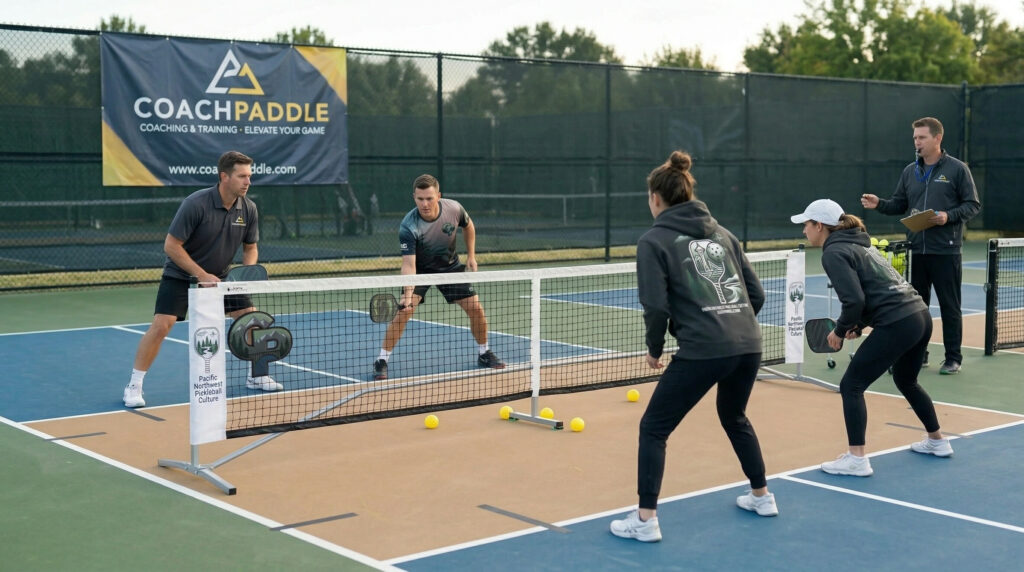
In doubles, the tactics in this pickleball cross‑court dinking guide help you and your partner stay in sync while applying pressure.
Handling Pressure During Crosscourt Dink Exchanges
In the heat of a close game, crosscourt dink rallies can easily last 10, 20, or more shots. It’s not unusual for nerves and fatigue to cause mistakes. Here’s how I stay cool:
- Focus on Breath: Slow your breathing between shots. It sounds simple, but it really helps cut down on nerves and lets you focus your vision.
- Stick to Fundamentals: When in doubt, go back to basics—soft grip, good body position, simple swing. Don’t try to hit winners unless you see a real opportunity.
- Stay Patient: Some pickleball rallies are more about who blinks first. Don’t rush or force tricky angles if you don’t need to. Let your opponents make the first mistake.
Add in positive self-talk or reset routines if you find yourself getting tense. For example, before a crucial dink rally, bounce on your toes a couple times, smile, and remind yourself to play your game .When you understand how to apply the strategies in this pickleball cross‑court dinking guide, you’ll start winning more soft‑game exchanges.
The Gear: Paddles and Balls Matter
The right paddle can make your crosscourt dinking smoother. I prefer paddles with a softer touch or a bigger sweet spot, since they help control tricky, low shots. If your paddle feels too stiff or dead, try changing it up to see if it makes a difference with your soft game.
Most players also prefer outdoor balls for consistent bounce, but testing both indoor and outdoor balls can show you subtle differences in how your dinks react. Keep in mind that paddle weight and grip size can also affect your ability to control soft shots, so don’t be afraid to experiment until you stumble upon what suits you best.
“Review my Pickleball Safety Tips for Players to stay confident and injury‑free on the court.”
FAQs: Crosscourt Dinking
Here are a few questions I get asked a lot during pickleball clinics and friendly matches:
How do I know if I’m dinking crosscourt correctly?
Focus on ball height (keep it low over the net) and whether your opponent is moving sideways instead of forward. If they’re lunging or reaching, you’re doing great.
How can I add more accuracy to my crosscourt dinks?
Practice with targets and record your form. Small changes in footwork or grip usually make a huge difference in consistency. Using visual feedback from video or asking a fellow player to observe can help you spot areas to improve.
Is it bad to dink crosscourt every time?
Mixing it up is smart! Consistent crosscourt dinking is useful, but adding straight-ahead dinks or third dinks to the middle makes you harder to predict and puts extra pressure on your opponents to adjust on the fly.
Stay connected to the sport’s growth through Pickleball Canada.
My Experience: Why I Love Crosscourt Dinking
The first tournament I played, I lost a few matches because I kept going for flashy shots instead of solid crosscourt dinks. Since then, I’ve focused on building patience, footwork, and ball placement. I truly believe a good crosscourt dink can flip a rally, wear down aggressive players, and make tough games fun rather than stressful.
Whether you play casually or at a competitive level, crosscourt dinking brings a whole new layer of control and finesse to your pickleball game.
Building your confidence with this shot helps you hold your own at the kitchen line and enjoy longer, more strategic rallies. Whether you’re playing doubles or singles, learning to use crosscourt dinks gives you options to outplay stubborn opponents and keep the game running your way.
With steady practice, creativity, and a focus on the basics, everyone can pick up this skill and start seeing results on the court.
Remember: dinking isn’t about flash, it’s about smart, steady play—and over time, those patient rallies become one of the best weapons you can add to your pickleball arsenal.