Beginner Pickleball Training Drills are the fastest way for new players to build control, consistency, and confidence on the court. In this guide, you’ll learn simple, effective drills that help you improve your paddle skills, footwork, and overall game.
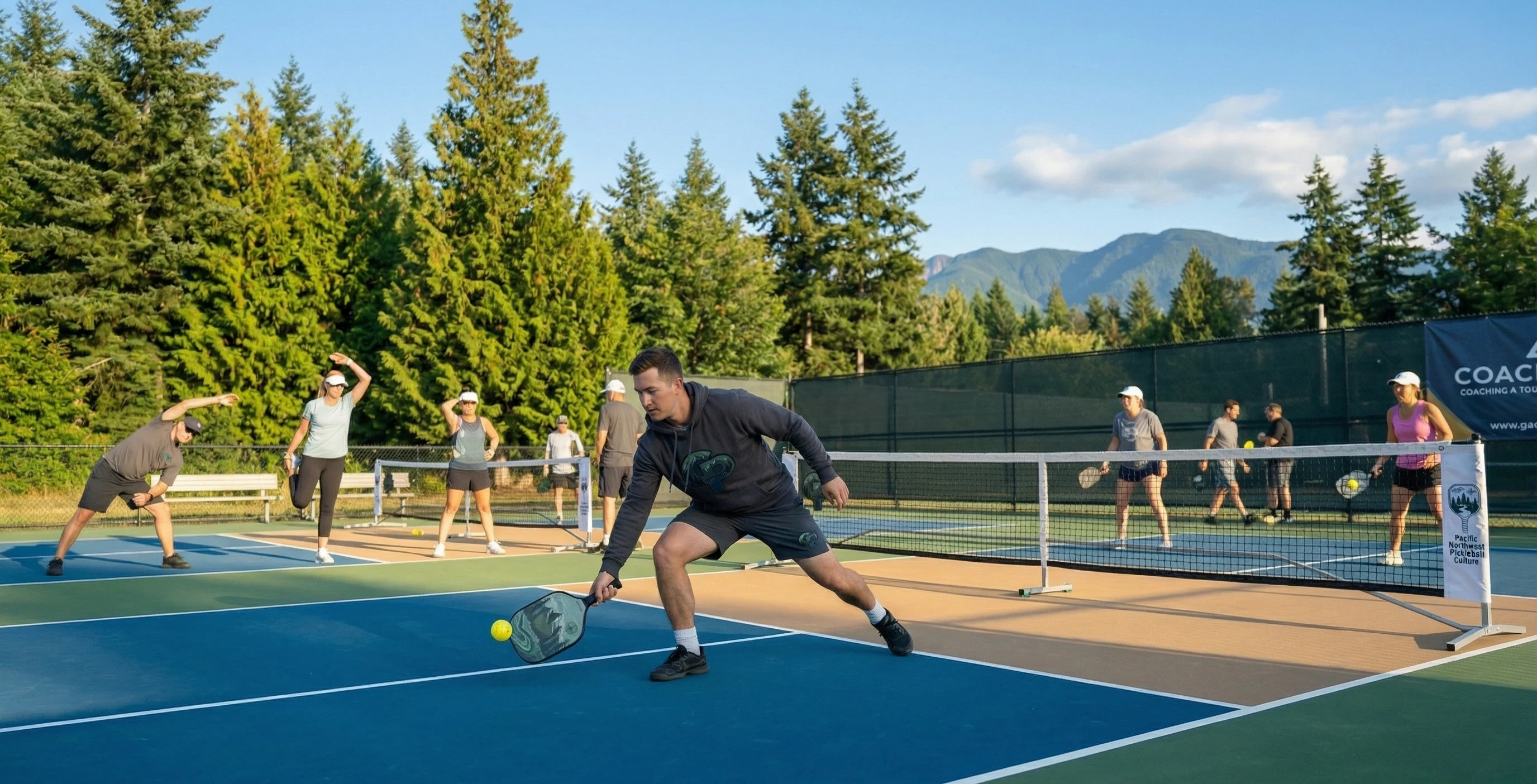
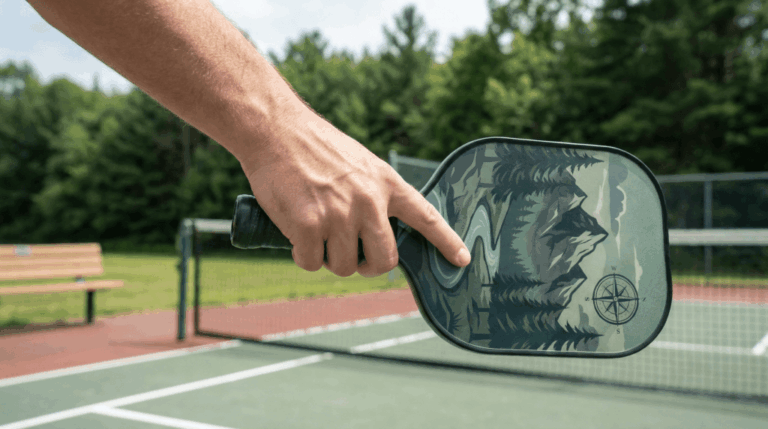
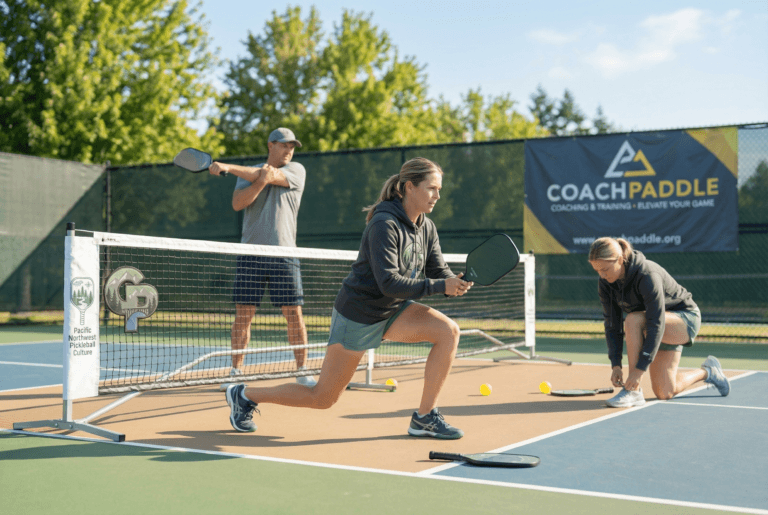
These Beginner Pickleball Training Drills help players develop reliable ball control.
Why Beginner Pickleball Training Drills Matter
Most people who try pickleball jump in because of its friendly vibe and quick learning curve. Still, even the most casual player can see big improvements just by working on a few fundamental skills. Drills are helpful because they let you focus on technique without the pressure of a real match, develop muscle memory, and build up confidence fast. Over time, this adds up and lets you see progress in a way that’s both rewarding and motivating.
Studies of racket sports show that players who use targeted practice drills pick up technical and strategic skills much quicker. Pickleball might not be as old as tennis or badminton, but the same learning ideas work: effective practice leads to faster, lasting improvements. Plus, you’ll find that skills you develop in drills are easier to use when you jump into actual play, making each game feel more enjoyable and less intimidating.
For more technique tips, check out our guide on Pickleball Serve Fundamentals.
Beginner Pickleball Training Drills for New Players
Starting out, you don’t need loads of gear, just grab a paddle, a few balls, a net or something similar (a driveway net works in a pinch), and some comfortable court shoes. If you’re on a public court, just double-check local rules or court availability first. Some drills work perfectly for solo practice, while others are more fun with a partner. Either way, being prepared ensures you’ll have a smoother, more productive session from the start.
- Pickleball Paddle: Lightweight paddles are usually easier for beginners to handle. Going for something with a comfortable grip makes a difference for longer practice sessions.
- Pickleballs: Outdoor and indoor balls have slightly different weights and hole patterns, but for drills, either is fine and will help you learn the basics.
- Court Space: Ideally, use a real pickleball court, but even a marked-off area in your driveway or a gym can work for many drills. The key is to create enough space to move and experiment with different shots.
- Footwear: Supportive shoes help with quick movements and comfort, making it easier to focus on footwork and ball control.
Staying consistent with your practice is a lot easier when you keep the equipment simple and accessible. If you’re waiting for an open court, try wall drills or shadow swings right on the sidelines to make the most of your time and keep your skills sharp.
Five Key Drills for New Pickleball Players
The best drills cover the basic skills you’ll use in almost every game. Here are five that I recommend for anyone getting started:
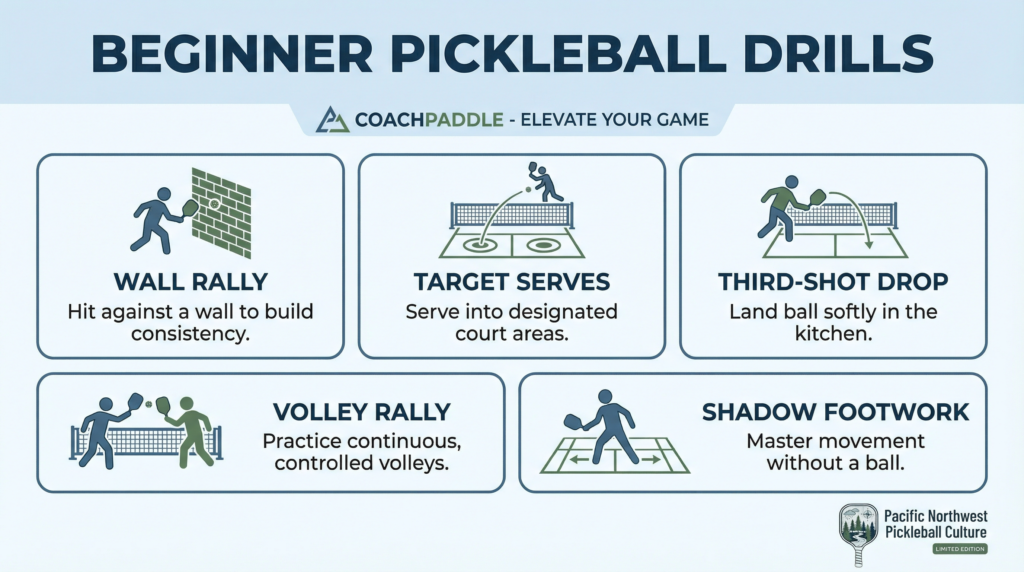
Every new player should practice these Beginner Pickleball Training Drills at least a few times per week.
- Wall Rally (Solo): Find a wall and practice hitting the ball against it. Let it bounce once between shots, mirroring real-game rallies. Focus on clean contact and controlling where the ball goes. This drill is super useful for hand-eye coordination!
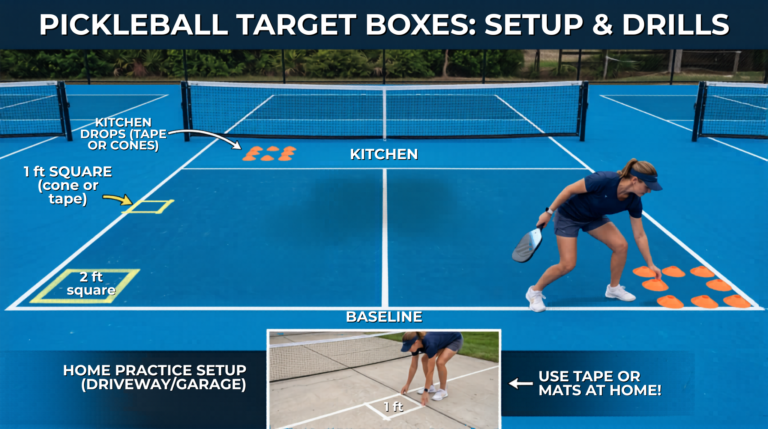
- Target Serves: Set up cones (or even water bottles) in different court areas and try to serve right at or near them. Aim for both the left and right sides. This gets you comfortable serving with accuracy, which is a big skill for keeping points going in real games.
- Third Shot Drop Drill: Work on soft, controlled dinks (gentle shots that land in the no volley zone, or “kitchen”). Grab a partner and stand at the baseline; try to drop your shot just over the net into the kitchen area. Getting good at this helps turn defense into offense.
- Volley Rally: Stand just behind the kitchen line and practice quick, controlled volleys with a partner. See how many consecutive shots you can make without missing. This drill is excellent for reflexes and net play, which matter a lot in pickleball.
- Shadow Footwork: Even without a ball, work on sidestepping from the baseline to the kitchen line, practicing split steps and getting in a ready position. Good footwork will keep you balanced and able to react quickly when the game speeds up.
Addition of these drills to your regular routine gives you great exposure to the various movements and reactions needed in a typical pickleball game.
Putting Drills Into Practice: Steps for a Productive Session
Turning drills into skill-building routines doesn’t mean grinding away for hours. Even 20 to 30 minutes, a couple of times a week, can make a noticeable difference if you focus during each rep. Here’s how I usually structure a beginner’s session for maximum gains:
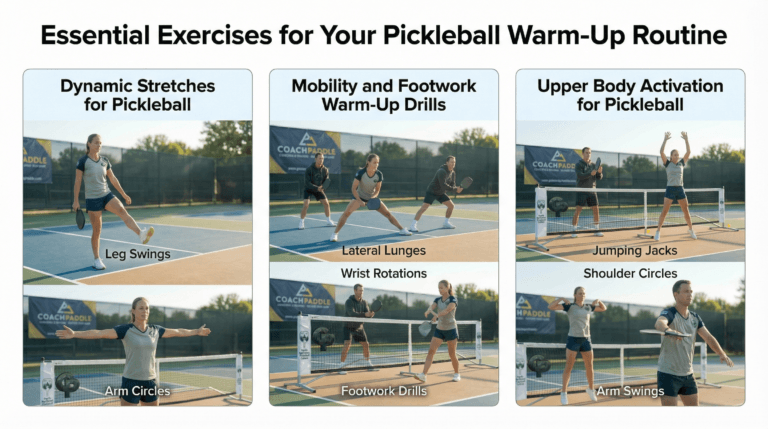
- Start with simple warm-ups: light jogging, stretching, and a few practice swings to get loose and ready for movement.
- Pick one or two skill drills for each practice. For example, combine wall rallies and target serves in one session; focus on volleys and drop shots in the next. This method gives some variety but doesn’t overwhelm you.
- Set small, achievable goals for each drill, like hitting 10 consecutive wall shots or landing five serves on target. Hitting these marks boosts your motivation and shows real progress.
- Finish off with a few minutes of free play or minigames, putting your new skills into action in a low-key way that feels more like real play.
Practicing with a friend adds encouragement and keeps things social, but solo drills are pretty effective, too, especially for working on consistency and specific skills that might not get as much focus in games.
Coaches often start with Beginner Pickleball Training Drills to build foundational skills.
If you’re choosing your first paddle, read our Beginner Pickleball Recommendations.
Tips for Overcoming Beginner Hurdles
Every new player runs into a few common challenges when practicing drills. Staying positive and mixing up your routine helps a lot. Here are some basic solutions to typical problems:
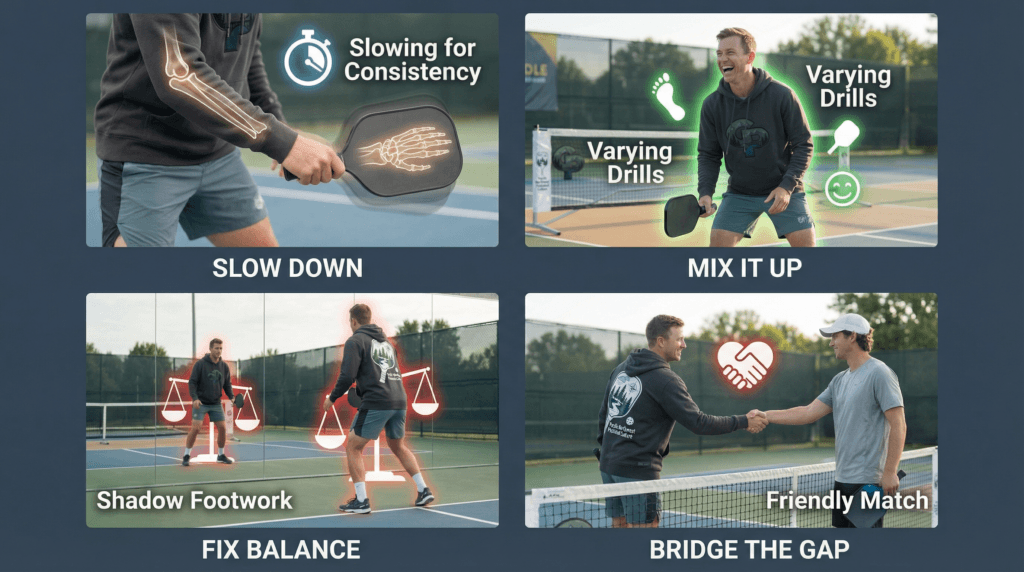
You can run these Beginner Pickleball Training Drills alone or with a partner.
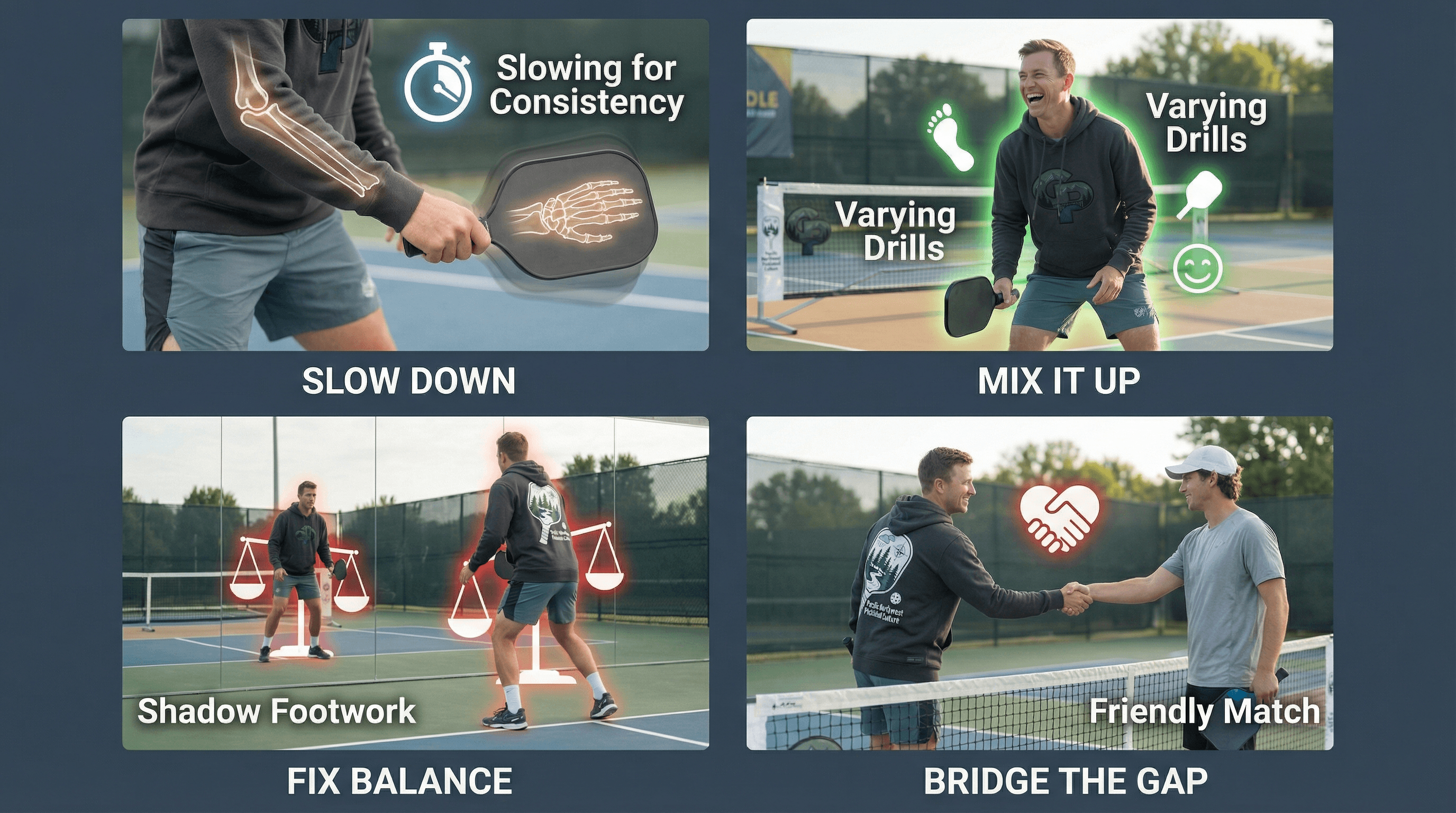
- Struggling With Consistency: Slow things down and focus on the basics; aim for just five clean hits in a row, then try to add more as you improve. Focusing on technique before trying for fast movement is key.
- Getting Frustrated: Skip to a different drill if you’re stuck on one. Mixing it up keeps things fresh and helps you avoid feeling stuck or losing motivation.
- Footwork Mistakes: Practicing shadow footwork in front of a mirror or recording a quick video makes it easier to spot and fix balance problems. It’s eye-opening to see how little tweaks can make your moves smoother.
- Nervous About Games: Play practice games with someone supportive, focusing on using the specific skills you drilled. Friendly matches bridge the gap between practice and real play, helping you feel ready for anything.
Every player makes mistakes early on, but working through those rough patches is what helps you get better quickly. Stick with it and you’ll notice steady improvement over time.
Wall Rally Drill: Why Beginner Pickleball Training Drills Like This Matter
The humble wall rally drill deserves its own mention. Set up facing a wall with enough room to move a step or two to each side. Use your forehand and backhand, alternating if you can, and focus on keeping the ball under control. Mix up your shot height and practice placing the ball low and high. This drill alone will speed up your comfort with timing and sweetspot contact. Try using different ball speeds and track your progress over several weeks to see continuous improvement.
Third Shot Drop: A Beginner Pickleball Training Drill Every Player Should Master
Pickleball isn’t just about whacking the ball, it rewards players who can slow things down and create openings. The third shot drop is when you gently place the ball into the kitchen after the serve and return, setting up your team for success. Drill this slowly at first, then add targets (cones or lines) to get even more precise and challenge your control. Practicing this move regularly will make a big difference in your overall strategy and success on the court.
Footwork and Balance: Simple Beginner Pickleball Training Foundations
If you’re working on movement, mark a simple grid on the ground with chalk or painter’s tape. Move through the pattern at a slow, controlled pace. Focus on balance, not just speed. Watching a short video on split step movement can help; you’ll see the difference next time you’re on a real court. Good court positioning is just as important as any fancy shot and will make every aspect of your game feel more controlled.
Helpful Hints to Get More Out of Your Drills
- Mix up your drills to keep practice interesting. Try new combinations every week to give a spark to your routine.
- Watch pickleball tutorials online (like those from USA Pickleball or the Pickleball Channel) for quick reminders and useful technique tips. Sometimes, a simple video can give you an “aha” moment.
- Ask experienced players for advice. They’re usually happy to help new folks, and you’ll pick up valuable pointers you might not get from just practicing alone.
- Use a notebook or phone app to track which drills you worked on and how you did over time. Seeing your improvements written down can be a huge confidence booster.
Staying curious and open to feedback is what helps people improve the fastest. If you ever feel stuck, a small tweak or a tip from someone more experienced could help.
Improve your movement with our Pickleball Footwork Basics article.
Common Questions Beginners Have About Pickleball Drills
Here are some questions I hear a lot from new players:
Question: How often should I practice pickleball drills?
Answer: Practicing for even 20 to 30 minutes, a couple of times a week, makes a big difference. Consistency is the key, so no need to stress about long sessions when you’re starting out. You’ll see progress with shorter, focused work.
Question: What’s the fastest way to improve my serve?
Answer: Focus on serving to different targets and working up a repeatable pre-serve routine. Recording yourself can help catch any small things to adjust. With regular practice, you’ll start to spot natural improvements.
Question: I don’t have a partner, can I still get better?
Answer: Absolutely! Wall rallies, shadow footwork, and solo serve drills are all useful for skillbuilding. Lots of players have improved just by practicing solo before they ever played a full game, and these skills translate easily when you get on a court with others.
Mastering these Beginner Pickleball Training Drills will make gameplay feel smoother and more confident.
Extra Resources Worth Checking Out
If you want more info or quick visual reminders, check out these free and helpful online resources:
- USA Pickleball – Rule books, tips, and drill videos.
- Pickleball Channel – Short and sweet video breakdowns of beginner skills.
- YouTube: Pickleball Drills for Beginners – Tons of free drills and technique demos.
Getting familiar with these resources can give you extra practice ideas and boost your progress further. There’s always something new to try or technique to improve.
Getting the Most Out of Your Pickleball Adventure
Working on drills like these will set a strong foundation for your pickleball game. Every successful player started by building up the basics, and that foundation makes the social, quick paced nature of the sport even more enjoyable. Grab a paddle, find a court or a wall, try out these drills, and have fun building your skills. Pickleball is all about improvement, laughter, and connecting with others through play. Once you hit your stride, you’ll find that practice pays off in more ways than one!