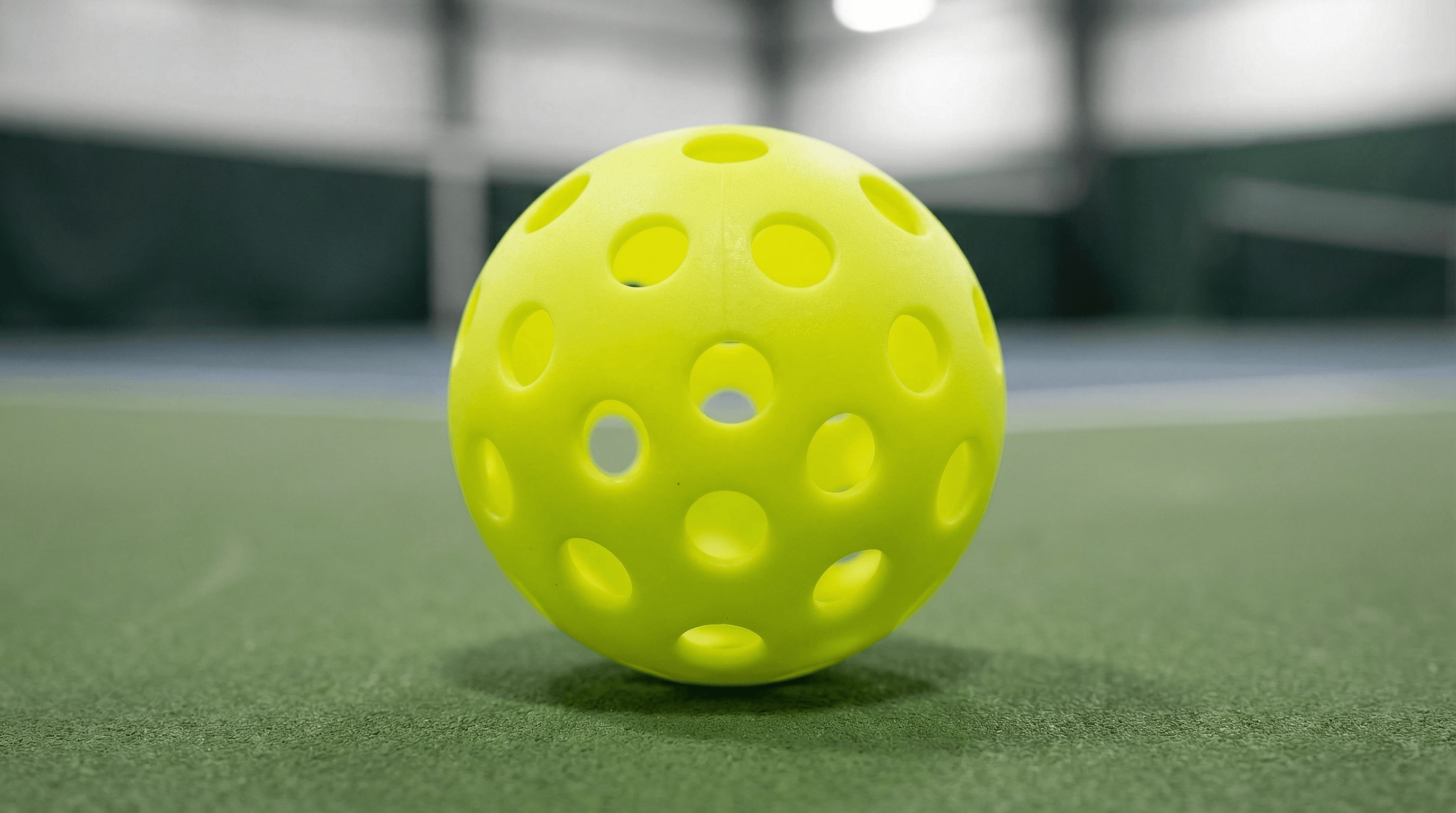
Guide To Pickleball Ball Types
Choosing the right pickleball ball types can dramatically change how your game feels. Because each ball behaves differently, understanding these pickleball ball types helps you play better, adapt faster, and choose the right option for your environment. To build a strong foundation, you can also explore the
To build a strong foundation, you can also explore the How to Play Pickleball Guide: https://coachpaddle.com/how-to-play-pickleball/
Indoor vs Outdoor Pickleball Ball Types
Indoor and outdoor balls are designed for completely different playing conditions. Because of this, choosing the wrong one can lead to inconsistent bounce, poor control, or even cracked balls.
Indoor Pickleball Ball Types
Indoor balls are lighter, softer, and easier to control. They typically have 26 larger holes, which helps them float more and slow down rallies.
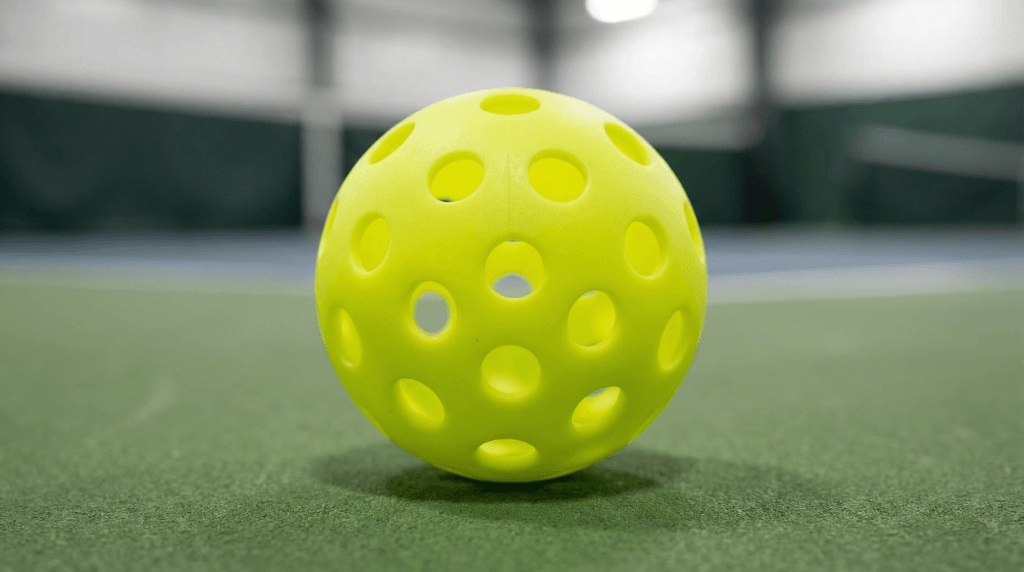
Best for: gyms, rec centers, wooden floors, controlled environments
Why players like them: softer feel, longer rallies, easier touch shots
Outdoor Pickleball Ball Types
Outdoor balls are heavier, harder, and built to handle wind and rough surfaces. They usually have 40 smaller holes, which keeps them stable in outdoor conditions.
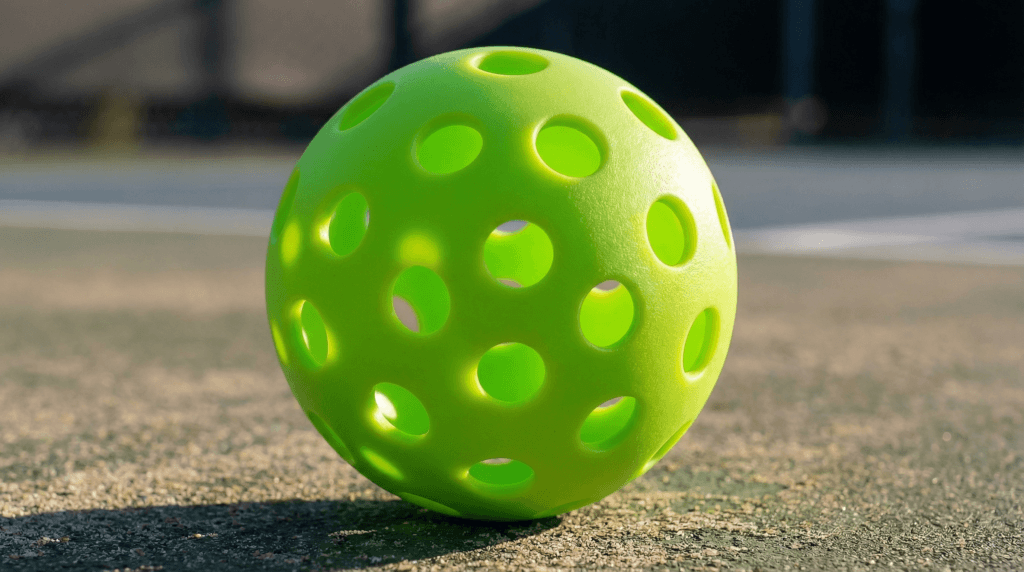
Best for: outdoor courts, windy environments, competitive play
Why players like them: faster pace, consistent bounce, more durability
How Pickleball Balls Are Made
Different pickleball ball types are made from molded plastic, but the process varies between brands. Additionally, the material density affects bounce, spin, and durability.
Two main construction types:
- One‑piece balls: seamless, more durable, used for outdoor play
- Two‑piece balls: softer, easier to control, used for indoor play
For more beginner‑friendly fundamentals, you can check out the Pickleball Beginner Guide: https://coachpaddle.com/pickleball-beginner-guide/
Durability, Bounce, and Performance of Pickleball Ball Types
Different ball types behave differently on the court. Furthermore, weather, temperature, and surface texture all influence performance.
Durability
Outdoor balls crack faster due to harder plastic. Indoor balls last longer but deform over time.
Bounce
Outdoor balls bounce higher and faster. Indoor balls bounce lower and softer.
Spin
Indoor balls grip the paddle better, allowing more spin. Outdoor balls are smoother and spin less.
For equipment specs and ball standards, see: USA Pickleball: https://usapickleball.org
Comparison Table — Indoor vs Outdoor Balls
| Feature | Indoor Balls | Outdoor Balls |
|---|---|---|
| Hole Count | 26 large holes | 40 small holes |
| Weight | Lighter | Heavier |
| Material | Softer plastic | Harder plastic |
| Bounce | Lower, softer | Higher, faster |
| Durability | Deforms over time | Cracks sooner |
| Spin | More spin | Less spin |
| Best For | Gyms, rec centers | Outdoor courts, wind |
| Play Style | Control, touch | Power, speed |
Which Pickleball Ball Should You Use?
Choosing the right ball depends on where you play and how you play. Additionally, your skill level and paddle type can influence your preference.
Choose an indoor ball if:
- You play inside a gym
- You prefer longer rallies
- You like softer touch shots
Choose an outdoor ball if:
- You play outside
- You want faster, more competitive play
- You need stability in wind
For gear recommendations, you can explore: Pickleball Central: https://pickleballcentral.com
FAQs About Pickleball Ball Types
Do indoor and outdoor balls feel different?
Yes. Indoor balls feel softer and slower, while outdoor balls feel harder and faster.
Can you use indoor balls outside?
You can, but they will blow around in the wind and bounce inconsistently.
Do outdoor balls crack easily?
Outdoor balls crack faster because they’re made from harder plastic.
Which ball is best for beginners?
Indoor balls are easier to control, making them beginner‑friendly.
Leave a Reply